

What is babesiosis?
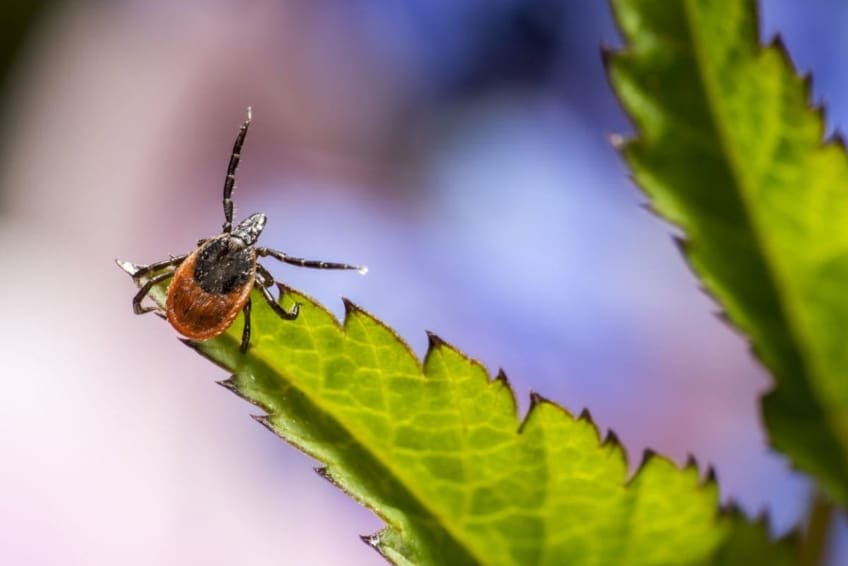
Babesiosis is an infection of the red blood cells. It is caused by a single-cell parasite called Babesia. The parasite is carried by deer ticks, the same ticks that carry Lyme disease.
Babesiosis infections in humans used to be rare, but the number of cases is increasing. Most reported infections are in the northeastern states and the upper Midwest.
Symptoms of babesiosis
Symptoms of babesiosis usually start 1 to 8 weeks after you are bitten by a tick. Some people may not have any symptoms. When symptoms do occur, they are often similar to symptoms of the flu:
- Fever (as high as 104°F)
- Chills
- Sweating
- Weakness
- Fatigue
- Joint and muscle aches
- Loss of appetite
- Headache
In young, healthy adults, the infection usually isn’t severe. But the illness can quickly become serious and can even cause death. Babesiosis could be life-threatening in people who:
- Are elderly
- Have had their spleen removed
- Have liver or kidney disease
- Have weak immune systems (due to conditions such as HIV/AIDS or cancer)
- Are transplant recipients
What causes babesiosis?
People get babesiosis when an infected tick bites them. The Babesia parasite is usually spread when the tick is in its nymph (pre-adult) stage. At that stage, the tick is the size of a poppy seed. It can be hard to detect a tick this small.
Ticks live in areas with a lot of plant life, such as wooded areas or fields. They sit near the top of grassy plants and low bushes. They wait there for people or animals to brush up against them. Ticks can crawl on your clothes or body for several hours before attaching to the skin.
Ticks can attach to any part of your body. They are usually found in hard-to-see areas, including the armpits, groin, or scalp. An infected tick needs to be attached to your skin for 36 to 48 hours before it passes the parasite on to you.
People who spend time in outdoor areas where ticks are common are at higher risk of getting tick-borne diseases.
Though rare, it is possible to get babesiosis through a blood transfusion. It is also possible for an infected mother to pass the parasite to her baby. This can happen during pregnancy or delivery. This is also rare.
How is babesiosis diagnosed?
Your doctor will look at a sample of your blood under a microscope. If you have babesiosis, your doctor will be able to see the parasite in your red blood cells. They might test your blood for other infections that could be causing your symptoms. This includes other diseases ticks can carry, such as Lyme disease. It is possible to have more than one tick-borne illness at a time.
Can babesiosis be prevented or avoided?
The best way to prevent babesiosis and other tick-borne diseases is to avoid being bitten by ticks. When you are outdoors, follow these guidelines:
- Avoid areas that are wooded, brushy, or have tall grass.
- Walk in the center of trails.
- Use an insect repellent with at least 20% DEET. It can be put on clothing or sparingly on the skin. Don’t apply it to children’s faces or hands.
- Treat clothing, tents, or other gear with repellents containing 0.5% permethrin.
- Wear light-colored clothing. This makes it easier to see and remove ticks from your clothes.
- Wear a long-sleeved shirt and long pants. Tuck your pant legs into your socks or boots for added protection.
- After you get home, check everything and everyone for ticks.
- Bathe or shower as soon as you can to wash off any ticks that have not attached to you.
- Check your entire body for ticks. Use a mirror for places you can’t see. Check your children and your pets. Common tick locations include the back of the knees, groin area, underarms, ears, scalp, and the back of the neck.
- Check any gear you used, including coats, backpacks, or tents.
- Tumble dry clothes or blankets on high heat in the dryer for 10 to 15 minutes. This should kill any ticks. If clothes are dirty, wash them in hot water and dry on high heat for 60 minutes.
During the months of May through September, stay away from places where ticks are common. This is especially important if you have:
- Had your spleen removed
- Had an organ transplant or are taking immunosuppressant medicines (which weaken or suppress the immune system)
- An HIV infection or AIDS
- Any other chronic condition that affects your immune system
Babesiosis treatment
What do I do if I find a tick on my skin?
Don’t panic. Use fine-tipped tweezers to grab the tick as close to the skin’s surface as possible. Pull up with steady, even pressure. Be careful not to squeeze or twist the tick body. Sometimes parts of the tick remain in the skin. You can leave them alone or carefully remove them the same way you would a splinter. Do not use heat (such as a lit match), petroleum jelly, or other methods to try to make the tick back out on its own. These methods are not effective.
Wash the area where the tick was attached thoroughly with soap and water. Monitor how you’re feeling for the next month or two. Call your doctor if you develop flu-like symptoms. Be sure to tell your doctor that you were bitten by a tick and when it happened.
People who have healthy immune systems and only mild cases of babesiosis usually don’t need treatment. The body fights the infection on its own. People with more severe cases are treated with antibiotics. If you develop shortness of breath or other symptoms during treatment, tell your doctor right away. If you have a severe case of babesiosis or a weak immune system, you may need to go to a hospital.
Living with babesiosis
Many people infected with babesiosis don’t have any symptoms. They don’t even know they have it. Those who experience symptoms can be treated with antibiotics. They usually make a full and complete recovery.
People at risk of a more severe infection could experience complications. The most common is hemolytic anemia. This happens when the Babesia parasite destroys red blood cells faster than the body can make new ones. It can lead to jaundice (yellowing of the skin) and dark urine.
Other complications could include:
- Low or unstable blood pressure
- Low blood platelet count
- Blood clots and bleeding
- Vital organ malfunctions (such as liver, kidneys, or lungs)
If you experience any of these issues, get medical help right away.
Questions to ask your doctor
- I found a tick embedded in my skin, but I can’t get it out. What should I do?
- I’ve been bitten by a tick. Do I need to be seen?
- Do I have a tick-borne illness?
- If I need treatment, what is best one for me?
- What tick or insect repellent should I use for me or my child?
- How long will the symptoms last?
- I have HIV. Should I avoid areas where ticks may live?
Resources

Copyright © American Academy of Family Physicians
This information provides a general overview and may not apply to everyone. Talk to your family doctor to find out if this information applies to you and to get more information on this subject.