



Related Topics
What is chronic obstructive pulmonary disease (COPD)?
COPD is a disease that makes it hard for you to breathe. The two main types of COPD are chronic bronchitis and emphysema. Chronic bronchitis happens when there is an increase of swelling and mucus in your airways. (The airways are the tubes that carry air to and from your lungs.) This swelling causes your airways to narrow, making it harder to push air through them. Emphysema happens when the walls of the air sacs inside your lungs are damaged. This traps air inside your lungs. It can make you feel short of breath.
COPD develops slowly and gets worse over time. When COPD is severe, it can interfere with basic tasks. These include doing light housework, walking, or even washing and dressing.
Symptoms of COPD
COPD can cause a variety of symptoms, including:
- A long-lasting cough
- A cough that produces mucus
- Shortness of breath, especially during physical activity
- A tight feeling in the chest
- Not being able to take a deep breath
COPD symptoms start slowly. They get worse over a period of years if not diagnosed and treated early. Delayed diagnosis and treatment can lead to complications. These could include heart problems (irregular heartbeat and heart failure), high blood pressure, and respiratory infections. Infections can further damage your lungs.
What causes COPD?
COPD is caused by damage to the lungs. Damage occurs from breathing in unhealthy substances over time. This includes:
- Air pollution
- Chemical fumes
- Gases
- Vapors
- Mists
- Dust
- Tobacco smoke (including secondhand smoke)
The majority of COPD cases are caused by smoking.
You are at higher risk of developing COPD if you smoke or are around secondhand smoke. Your risk also increases if you have long-term exposure to things that irritate your lungs. This could include certain chemicals, air pollution, or dust. Some people have a genetic condition that can cause COPD, even if they have never been exposed to lung irritants.
How is COPD diagnosed?
The American Academy of Family Physicians (AAFP) does not recommend general screening for COPD. If you are showing symptoms of COPD, your doctor will perform an exam. They will ask you about your symptoms and medical history. They will place a stethoscope on your chest and back to listen to you breathe.
An important test to diagnose COPD is called a spirometry test. This simple, non-invasive test measures the amount of air you can blow out of your lungs. It involves breathing into a tube that is connected to a computer. The computer may have a graphic (such as candles or a brick wall) to help you with the test. You are asked to take a deep breath and blow into the tube to blow out as many candles (or knock down as many bricks) as you can. You may be asked to repeat the test multiple times in order to get a good reading.
The spirometry test will tell your doctor if you have COPD and how severe it is. It can also be used to determine if something else is causing your symptoms, such as asthma or heart failure. Your spirometry reading will help your doctor decide on the best treatment for you.
Can COPD be prevented or avoided?
In most cases, COPD is an avoidable disease. The best way to prevent COPD is to not smoke. You should also limit your exposure to things that can irritate your lungs over time. This includes secondhand smoke, air pollution (avoid being outside on days when air pollution is high), chemicals, and dust.
Treatment
If you are at risk for COPD, an early diagnosis is key. According to the AAFP, death from COPD is preventable with early diagnosis and treatment. Treatment includes:
Lifestyle changes: Stop smoking if you smoke cigarettes, cigars, or e-cigarettes. Don’t smoke anything. Talk to your family doctor about quitting. They can provide great resources for helping you quit.
Medicines: Your doctor may prescribe one or more medicines to ease your symptoms and help you breathe. These medicines may include:
- Oral antibiotics – to treat infections
- Bronchodilators – inhaled medicine to relax the muscles around your airway
- Oral or inhaled steroids – to control the inflammation in your lungs and help you breathe
- Anticholinergics (antimuscarinics) – inhaled medicine to relax the muscles around your airway
Several of these medicines can be combined into a single inhaler.
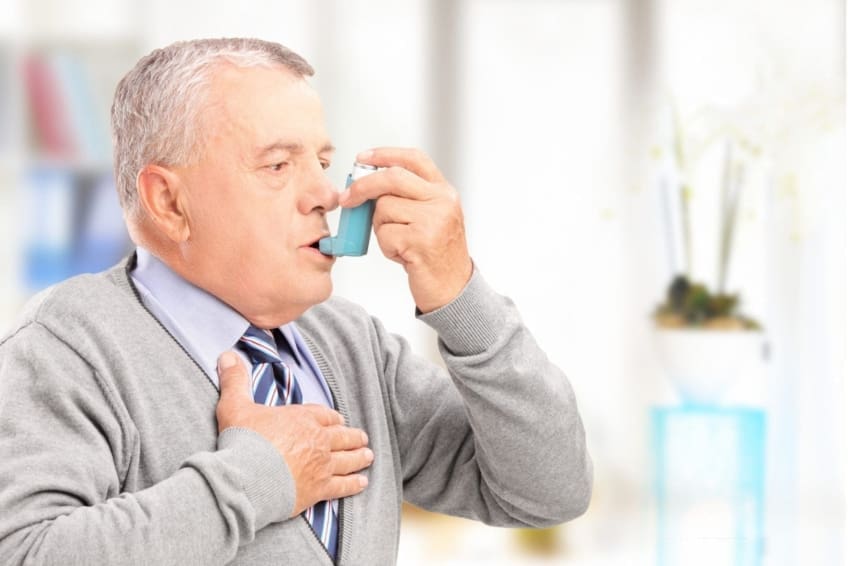
Inhaled medicines involve a small, handheld canister that you carry with you. You can use the medicine as needed or as your doctor has advised. Ask your doctor if you should use a spacer. This is a small, hollow device that helps you inhale more of the medication into your lungs where it is needed.
Some inhaled medicine is given through a nebulizer. A nebulizer is a machine that turns liquid medicine into a vapor that you breathe in. It is commonly used to treat people who have more serious COPD. It also helps people who have trouble using handheld inhalers.
Vaccines: Certain vaccines can prevent dangerous respiratory infections, such as the flu, pneumonia, RSV, and COVID-19. These infections can cause serious problems for people with COPD.
Oxygen therapy: You may have to use oxygen on a regular basis to help you breathe. This involves wearing a mask or nasal prongs and having the oxygen tank with you to use as you need or as your doctor has advised.
Pulmonary rehabilitation: This is a combination of therapies to help you manage your disease and improve your quality of life. A team of health professionals will help you create a plan to help you feel better. Your plan may include a diet and exercise program, breathing strategies, and ways to conserve energy.
Surgery: This is rare. This could involve a lung reduction operation or a lung transplant. This is usually a treatment of last resort.
Everyday Life
COPD is a lifelong condition. But there are things you can do to manage your symptoms.
One thing you should do is work with your doctor to develop a COPD Action Plan. A COPD Action Plan can help you recognize when your symptoms change. It also tells you what actions to take when they do. It is important to follow your plan every day, so make it part of your daily routine.
You play an active role in managing COPD symptoms through lifestyle changes. Managing symptoms can also slow the progression of the disease. If you have COPD, you should:
- Avoid things that irritate your lungs. If you smoke, quit. Also avoid air pollution, chemical fumes, dust, and secondhand smoke.
- Get ongoing medical care. It is important that you see your doctor regularly. Take the medicines that they prescribe. Call your doctor or make an appointment if you have any questions, new symptoms, or worsening symptoms.
- Manage your disease. Make lifestyle changes to minimize the effects of your symptoms. Do activities slowly. Find simple ways to do daily activities, such as cooking or cleaning. Wear clothes and shoes that are easy to take on and off. Ask for help instead of trying to do everything yourself.
- Prepare for emergencies. Talk to your doctor about what symptoms signal an emergency. That way, you’ll know when to call the doctor or go the emergency room. Keep phone numbers on hand for your doctor, the hospital, and someone who can help you get medical care. Call your doctor if your symptoms are getting worse, if you have signs of an infection such as fever, or if you’re having trouble breathing.
- Get emotional support. Living with COPD can be hard. You may feel anxious, depressed, afraid, or stressed. It can help to talk to someone about your feelings. You may talk to a counselor or join a support group. Family and friends can also help. Don’t be afraid to tell others how you feel.
Remember that early diagnosis can lead to proper treatment, which can help you feel better. The longer you let your COPD go untreated, the worse you will feel. Serious COPD will make it difficult to be physically active. This will affect even the simplest of activities, such as dressing or shopping.
COPD symptoms may make you feel fatigued (overly tired). Having difficulty breathing also interferes with eating. Your doctor may discuss a plan for diet, nutrition, and supplements.
Questions to ask your doctor
- How can I tell if my symptoms are caused by COPD or another illness?
- What lifestyle changes can I make at home to help reduce my symptoms?
- What are the health risks associated with COPD?
- Which vaccines will I need?
- Is it safe for me to exercise? What kind of exercise can I do?
Resources
Centers for Disease Control and Prevention: Chronic Obstructive Pulmonary Disease (COPD)
National Heart, Lung, and Blood Institute: What is COPD?
Funding and support for this material have been provided by Boehringer Ingelheim.

Copyright © American Academy of Family Physicians
This information provides a general overview and may not apply to everyone. Talk to your family doctor to find out if this information applies to you and to get more information on this subject.