




What are insect-borne diseases?
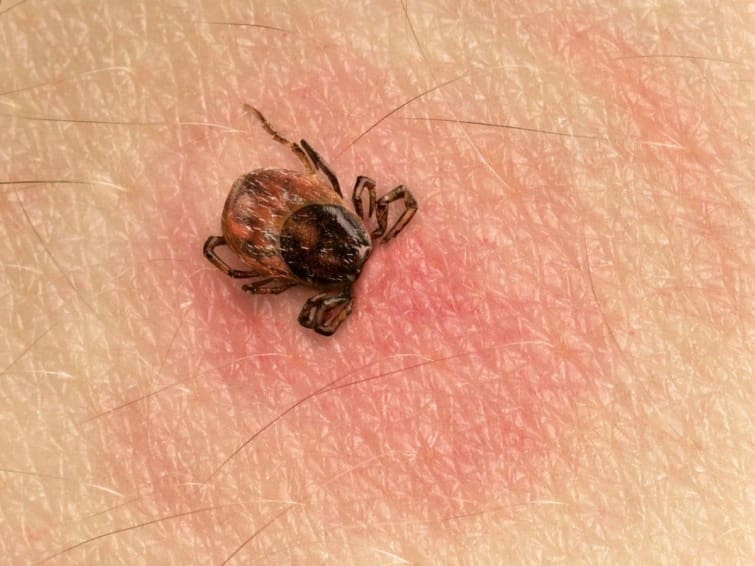
Insect-borne diseases are viral and bacterial illnesses from insect (bug) bites. The most common insects that pass on disease are mosquitoes, sand flies, ticks, and fleas. For example, mosquitoes are known for spreading the Zika virus, Yellow Fever, and Malaria. Ticks are known to spread Lyme disease and Rocky Mountain spotted fever.
Symptoms of insect-borne diseases
Symptoms will vary depending upon the type of insect that bit you. Common symptoms of insect-borne diseases can include:
- Fever
- Chills
- Headache
- Sore muscles
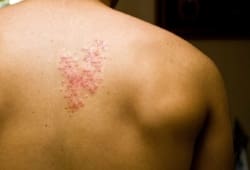
- Skin rash
- Nausea
- Stomach pain
More serious symptoms can include:
- Difficulty breathing
- The feeling that your throat is closing
- Swelling of your lips, tongue, or face
- Chest pain
- A racing heartbeat that lasts more than a few minutes
- Dizziness
- Vomiting
What causes insect-borne diseases?
The diseases are caused by blood-sucking insects that infect humans when they bite. You increase your risk of being infected by an insect when you are in areas where they gather. This would include tall grass, bushes, spots near still water (ponds), sand, forests, and places around the globe with heavy outbreaks.
How are insect-borne diseases diagnosed?
Your doctor can typically diagnose an insect-borne disease with a physical exam, a review of your symptoms, and a look at your recent travel. Lab tests (blood and urine) can help diagnose certain insect-borne diseases.
Can insect-borne diseases be prevented or avoided?
There are many actions you can take to reduce the threat of being infected by an insect. You should:
- Stay out of tall grass and bushes.
- Wear long pants, long sleeves, and a hat if you must be in tall grass and bushes. Tuck your pants into long, white socks.
- Wear light-colored clothing. This makes it easier to spot insects.
- Wear insect-repellant clothing.
- Use bug spray that contains the ingredient DEET. Read the product’s label to see how much you should use.
- Examine your skin and scalp when you get back to check for bugs or bites. Always shower with plenty of soap after being in the outdoors.
- To discourage mosquitoes from living around your home, drain or change standing water on your property. For example, make sure your rain gutters are clear. Also change the water in a bird bath every four or five days.
- Pay attention to outbreaks through the travel health notices posted by the Centers for Disease Control and Prevention (CDC). If you can, avoid travel to those places during outbreaks.
Insect-borne diseases treatment
As soon as you recognize a bite, clean it with soap and water. Pat it dry and apply rubbing alcohol.
If you were bitten by a tick, remove the tick right away before cleaning the area. Use tweezers to slowly pull it off your skin. Be careful not to leave any part of the tick on your skin. Dispose of the tick. Wash your hands and the bite area with soap and water and wipe with alcohol. Apply an over-the-counter antibiotic cream to the bite area.
If you have any of the symptoms listed, see your doctor. Your doctor may give you a prescription for antibiotic medicine. Take the entire prescription. Your doctor may suggest other treatments to ease the symptoms. For example, over-the-counter pain medicine can relieve sore muscles and a fever.
Living with insect-borne diseases
Some insect-borne diseases cause long-term symptoms that affect your quality of life. Lyme disease, for example, can leave you with sore muscles and fatigue. Zika virus can be passed on to a baby and cause microcephaly (a condition that causes the head to be abnormally small) and intellectual disability.
Questions to ask your doctor
- How long does it take before a skin rash appears?
- What if I don’t notice the bite for days? Is it too late to treat it?
- How long should I wait to get pregnant if I’ve traveled near a Zika outbreak?
- Is DEET dangerous for children?
- How can I make sure I remove an entire tick from my skin?

Copyright © American Academy of Family Physicians
This information provides a general overview and may not apply to everyone. Talk to your family doctor to find out if this information applies to you and to get more information on this subject.