

What is exercise-induced bronchospasm?
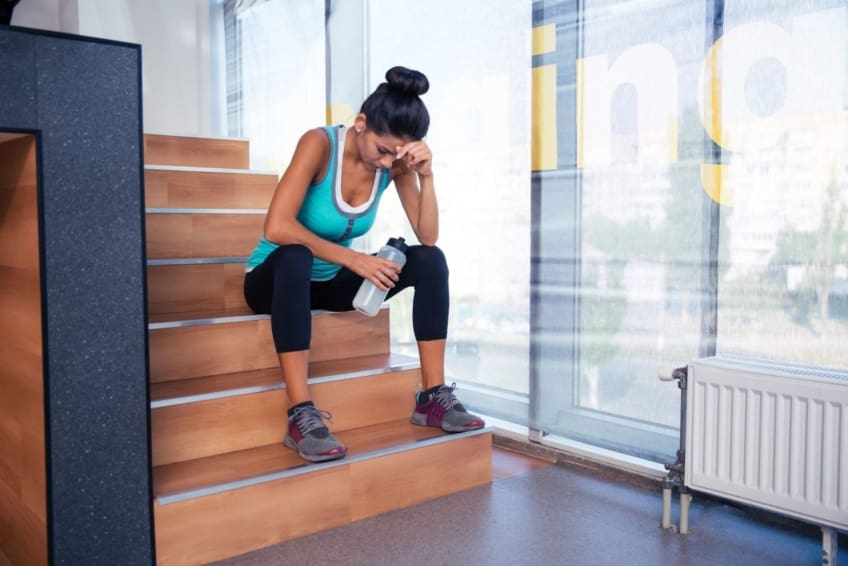
Exercise-induced bronchospasm (EIB) happens when the airways in your lungs narrow when you exercise. This makes it hard to breathe. If you have EIB, it may be hard to exercise for more than 30 minutes at a time.
EIB also is called exercise-induced bronchoconstriction. It is the same thing as exercise-induced asthma.
Symptoms of exercise-induced bronchospasm
Symptoms of EIB start after about 5 to 20 minutes of non-stop exercise. The length of time depends on how severe your condition is. Symptoms can include:
- Shortness of breath or wheezing
- Decreased endurance
- Tightness in the chest
- Coughing
- Upset stomach
- Sore throat
What causes exercise-induced bronchospasm?
EIB is caused by activity that triggers an asthma reaction. For some people, certain types of exercise trigger symptoms. For others, breathing in air that is cooler and drier than the air in your lungs causes EIB. If you have EIB and chronic asthma, your symptoms may be worse in the spring and fall. This is when people have more trouble with allergies.
It can also be triggered by airborne irritants related to some sports, including chlorine when swimming and pollution while running.
How is exercise-induced bronchospasm diagnosed?
Contact your doctor if you have symptoms of EIB. The doctor will do a physical exam and review your symptoms. They likely will perform breathing tests as well. During the tests, the doctor has you breathe into a spirometer or peak flow meter. These devices measure how much air you can blow out of your lungs. If your doctor thinks you have EIB, they will discuss your treatment options.
Can exercise-induced bronchospasm be prevented or avoided?
You cannot avoid EIB. However, you can help prevent flare-ups. Avoid types of exercise or conditions that trigger symptoms. Work with your doctor to identify these.
Exercise-induced bronchospasm treatment
You and your doctor will decide which medicine is right for you. They will give you instructions on when and how to take your medicine. It is important to follow these orders to make sure the medicine is effective.
Types of medicines used to treat EIB include:
- A short-acting bronchodilator. This is taken 15 minutes before exercise and lasts 4 to 6 hours.
- A mast cell stabilizer. This is taken 15 minutes to 1 hour before exercise and lasts for 4 hours.
- A long-acting bronchodilator. This is taken 30 minutes before exercise and lasts up to 12 hours.
- An antileukotriene. This lasts up to 24 hours. It is taken every day and helps keep your airways from shrinking.
Living with exercise-induced bronchospasm
Most people who have EIB still can exercise. However, you may have to avoid certain types of exercise. Medicine can prevent and manage most symptoms. There also are lifestyle changes you can make:
- Warm up and cool down for at least 15 minutes before and after you exercise. This can help lessen EIB symptoms.
- Avoid exercising in very cold temperatures.
- Avoid exercising when you are sick, like with a cold or the flu.
- Avoid exercising when your allergies are bad. For instance, when pollen levels are high.
- If you smoke, stop smoking.
Questions to ask your doctor
- I have trouble breathing when I exercise? Do I have EIB?
- How does EIB differ from regular asthma?
- Is it safe for me to exercise? What kinds of exercise can I do?
- Are there medicines I can take to prevent and treat my symptoms?
- How long do I have to take the medicines and what are the side effects?
- Are there other lifestyle changes I can make to relieve my symptoms?
- Will I always have EIB or can it go away?
Resources
American Academy of Family Physicians: Recognition and Management of Exercise-Induced Bronchospasm
American College of Allergy, Asthma & Immunology: Exercise-Induced Bronchoconstriction (EIB)

Copyright © American Academy of Family Physicians
This information provides a general overview and may not apply to everyone. Talk to your family doctor to find out if this information applies to you and to get more information on this subject.