





What is heat rash?
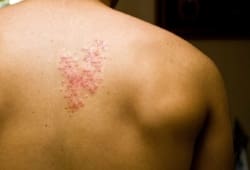
Heat rash is a skin irritation that stings and makes your skin red. It is also called miliaria or prickly heat. If you have this condition, your skin may feel itchy. Small bumps may form, and you may feel some “prickly,” tingling pain.
The rash occurs most often in hot, humid weather. Anyone can get it, and it is most common in infants and young children.
Symptoms
Heat rash usually looks like a cluster of pimples or small blisters. It is most likely to appear in places where skin touches skin, including:
- Neck
- Groin
- Underneath the breasts
- In the creases of the elbows
- Armpits
What causes heat rash?
Heat rash happens when you sweat too much. The sweat gets trapped under your skin and blocks your sweat glands. If your pores cannot clear out the sweat, you may get a rash.
Heat rash often happens when it is hot and humid outside. Having a high body temperature, being overdressed, or being in a hot environment can also cause it. Babies who are bundled in too much clothing are most likely to get heat rash. People who are not used to hot weather may also get it more easily.
Diagnosis
There are no tests for heat rash. Your doctor can diagnose it just by looking at it. But most cases don’t need to be seen by a doctor. They go away by themselves. If your rash doesn’t go away after 3 or 4 days, or if it seems to be getting worse, call your doctor. In some cases, the rash may be caused by an infection.
See your doctor if your itchiness is severe or if the rash area swells or oozes pus. If you feel dizzy, nauseated, confused, or you have trouble breathing, go to the emergency room right away. These symptoms can be signs of serious heat-related illnesses, such as heat exhaustion or heatstroke.
Can it be prevented or avoided?
In many cases, heat rash can be avoided. In hot weather, dress yourself or your child in lightweight cotton clothing. Cotton helps absorb moisture to keep it off of your skin. If the weather is hot, turn on the air conditioner, or use a fan to help you stay cool and dry.
Treatment
The most effective treatment for heat rash is to keep your skin cool and dry.
- Cool down. Avoid hot and humid places. If possible, stay in air-conditioned areas, or use fans to circulate the air. Use cool compresses to bring down the temperature of the affected skin.
- Dry off. Keep the irritated skin dry. Use a fan to dry the skin off faster and to reduce sweating.
- Reduce friction. Wear loose clothes to prevent irritation caused by clothing that rubs against the skin.
If your rash is severe, your doctor may prescribe a lotion to help relieve your pain or discomfort. Avoid using baby powders, ointments and creams at home. They can block pores even more.
Living with heat rash
Whether you are trying to treat heat rash or prevent it, the best way to live with it is to keep the skin cool and dry. Avoid overdressing and tight-fitting clothes. Try to stay out of hot, humid conditions. Keep your sleeping area cool and allow air to circulate.
Questions to ask your doctor
- What caused my rash?
- Is there a treatment that will help?
- What can I do at home to make myself more comfortable?
- Should I let my baby go without a diaper to help clear up the rash?
- Should I use diaper ointment on my child?
- Should I stop exercising until the rash clears up?
- What is the best way to prevent heat rash?

Copyright © American Academy of Family Physicians
This information provides a general overview and may not apply to everyone. Talk to your family doctor to find out if this information applies to you and to get more information on this subject.