


What is hepatitis?
Hepatitis is a general term for inflammation of the liver. Normally, the liver breaks down waste products in your blood. But when the liver is inflamed, it doesn’t do a good job of getting rid of waste products. This causes waste products to build up in your blood and tissues.
Many different things can cause hepatitis. The most common cause of hepatitis is infection with one of the 5 hepatitis viruses (A, B, C, D, or E). Other potential causes are:
- Lack of blood supply to the liver.
- Poison.
- Autoimmune disorders.
- Excessive alcohol use.
- An injury to the liver.
- Taking certain medications.
- Viral infections, such as mononucleosisor cytomegalovirus, although this is less common.
There are 2 main kinds of hepatitis: acute hepatitis (short-lived) and chronic hepatitis (lasting at least 6 months). Most people get over the acute inflammation in a few days or a few weeks. Sometimes, however, the inflammation doesn’t go away. When the inflammation doesn’t go away in 6 months, the person has chronic hepatitis.
What is hepatitis B?
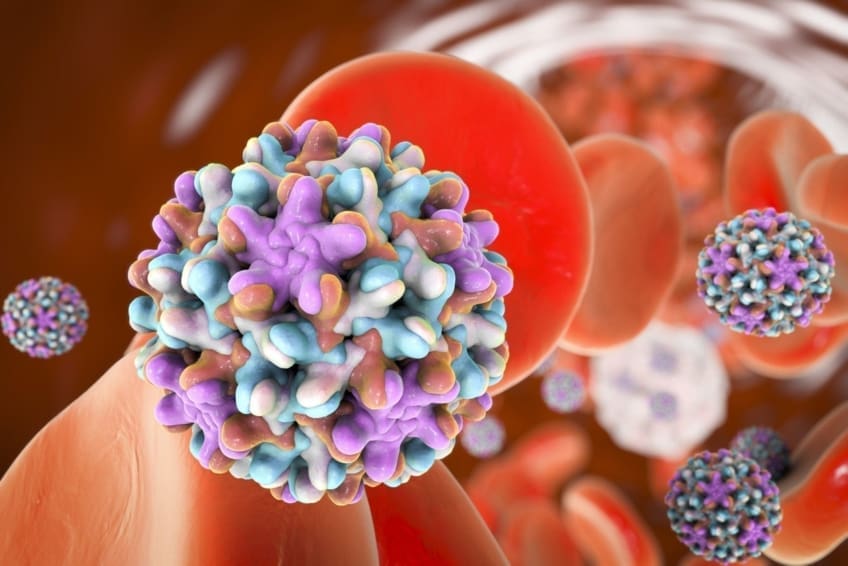
Hepatitis B (also called Hep B) is a serious liver infection caused by the hepatitis B virus. The virus is usually spread from person to person through contact with blood and/or body fluids of someone who has the infection.
What are the symptoms of hepatitis B?
Symptoms of hepatitis B can range from mild to severe. If you have a mild case of hepatitis, you may not even realize that you have it. It may not cause any symptoms, or may only cause symptoms similar to the stomach flu. The symptoms of hepatitis B may include:
- Loss of appetite.
- Nausea.
- Vomiting.
- Weakness and fatigue.
- Abdominal pain (especially in the area around your liver).
- Dark-colored urine.
- Jaundice (the yellowing of the skin and the whites of the eyes).
- Joint pain.
What causes hepatitis B?
Hepatitis B is caused by infection with the hepatitis B virus. You can get the virus if you have unprotected sexual contact with an infected partner. People who use intravenous (IV) drugs can get hepatitis B when they share needles with someone who has the virus. Health care workers (such as nurses, lab technicians, and doctors) can get hepatitis B if they are accidentally stuck with a needle that was used on an infected patient. The infection can also be passed from a mother to her baby during childbirth. You are also more likely to get hepatitis B if you travel to areas of the world where hepatitis B is common.
Hepatitis B cannot be transmitted through casual contact. For example, you cannot get hepatitis B by hugging or shaking hands with someone who is infected.
How is hepatitis B diagnosed?
Blood tests are used to diagnose hepatitis B. Blood tests can tell your doctor whether your liver is working properly, and they can also be used to monitor your condition during treatment.
Your doctor may want to look at your liver with an ultrasound exam or X-rays. You may also need a liver biopsy. During a liver biopsy, a small piece of the liver is removed and looked at under a microscope. A liver biopsy can help your doctor diagnose your illness and see the condition of your liver directly.
Can hepatitis B be prevented or avoided?
The best way to prevent hepatitis B is to always have protected sex (use a condom) and, if you use intravenous (IV) drugs, avoid sharing needles.
A vaccine is available to prevent hepatitis B. It is now routinely given in the first year of life to all newborn infants. It is safe and requires 3 shots over a 6-month period. This vaccine should be given to people who are at high risk for this illness, such as healthcare workers, all children, people who travel to areas where the infection is widespread, drug users, and those who have multiple sex partners.
Hepatitis B treatment
If you have acute (short-lived) hepatitis B, your body may be able to fight the infection on its own. This means you might not need treatment. Your doctor will help you manage your symptoms and monitor your condition while your body works to clear the hepatitis B from your system.
If you have chronic (long-lasting) hepatitis B, your family doctor will probably refer you to a gastroenterologist or other subspecialist who treats people who have chronic liver problems. There are a number of medical treatments available that are often successful. These include treatment with antiviral medicines.
Treatment may take a year or more, depending on the severity of the infection and the response to treatment.
Complications of hepatitis B
In some people, chronic hepatitis can lead to cirrhosis of the liver. Cirrhosis occurs when the liver cells die and are replaced by scar tissue and fat. The damaged areas of the liver stop working and can’t cleanse the body of wastes. Cirrhosis can lead to liver failure and even liver cancer.
If you have hepatitis B, you are also susceptible to hepatitis D (also called delta virus). Hepatitis D can only develop in people who already have hepatitis B. It can make your symptoms of hepatitis B or liver disease worse. It is spread through contact with infected blood or other body fluids of people who have hepatitis D.
Living with hepatitis B
Risk of chronic infection caused by hepatitis B is related to your age, according to the Centers for Disease Control and Protection (CDC). “Approximately 90% of infected infants become chronically infected compared with 2%-6% of adult,” reports the CDC.
Chronic hepatitis B infection can lead to serious health issues. If you have it, you should be monitored regularly by a doctor. This means you should check in with your doctor at least once or twice a year. Some people who have chronic hepatitis B infection require medicine, but others do not. Your doctor can discuss treatment options with you.
If you have chronic hepatitis B infection, it will likely stay in your blood and liver for a lifetime, according to The Hepatitis B Foundation. This means that you could pass the virus to others, even if you don’t feel sick.
“The most important thing to remember is that hepatitis B is a chronic medical condition (such as diabetes and high blood pressure) that can be successfully managed if you take good care of your health and your liver,” reports the Hepatitis B Foundation. “You should expect to live a long, full life.”
Questions to ask your doctor
- How did I get hepatitis B?
- What treatment is best for me?
- Can I be cured of hepatitis B?
- Are there any medicines I should take?
- What can I do to protect my friends and family from hepatitis B?
- How long will my treatment last?
- Is it possible for hepatitis B to come back?
- Should I get the hepatitis B vaccine?
- What are the side effects of antiviral medicines?
- Will my liver ever be normal again?

Copyright © American Academy of Family Physicians
This information provides a general overview and may not apply to everyone. Talk to your family doctor to find out if this information applies to you and to get more information on this subject.