





What is hereditary hemochromatosis?
Hereditary hemochromatosis is a disease in which your body has high levels of iron. That means you have too much iron. It’s often called “iron overload.” Your body can’t get rid of the extra iron, and it ends up damaging your tissues and organs. It can lead to liver damage, arthritis, heart problems, and diabetes.
There are four types of hereditary hemochromatosis:
- Type 1 and 4: Symptoms first appear in adulthood. Men start developing symptoms between age 40 and 60; women start developing symptoms after menopause. Type 1 is the most common.
- Type 2: Symptoms may appear in childhood. By age 20, it affects a person’s sex hormones. Girls may begin their periods regularly. However, they may stop after a few years. Puberty can be delayed in boys. If untreated, both men and women could have heart disease by age 30.
- Type 3: This type is a mix of types 1 and 2. Symptoms may appear by age 30.
Symptoms of hereditary hemochromatosis?
Symptoms are different for every person. And some people with the disease don’t have symptoms at all. Men have symptoms more often than women. Most people don’t have symptoms until they are older. Symptoms can change depending on the amount of iron you get from your food, iron pills, alcohol, and infections.
You may feel tired. You may have stomach and joint pain. You may have a reduced sex drive. Women may have abnormal periods or early menopause. Your skin may turn bronze or gray. It can cause cirrhosis (permanent liver damage), diabetes, and heart problems.
What causes hereditary hemochromatosis?
Hereditary hemochromatosis is genetic. It’s caused by genes, usually the HFE gene. If you have a relative with the disease, talk with your doctor about getting a blood test to see if you have high levels of iron or if you have the disease. If your lab results are normal, you may need to repeat the blood test every few years.
How is hereditary hemochromatosis diagnosed?
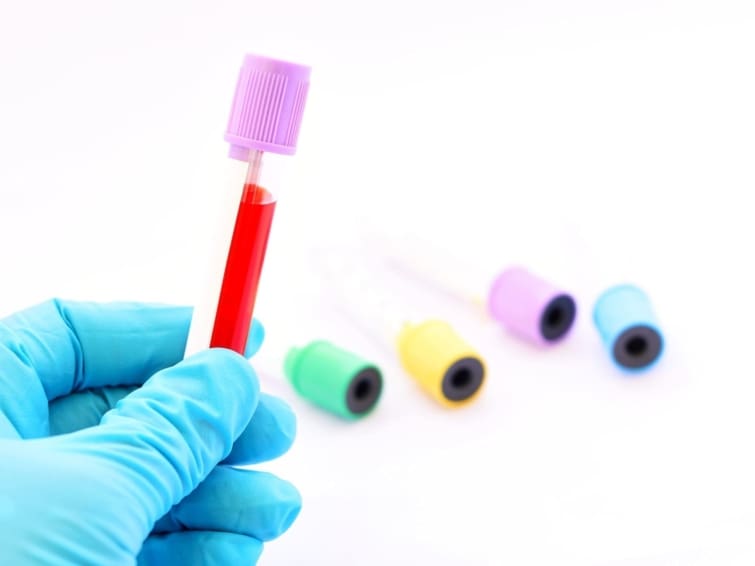
Hereditary hemochromatosis can be difficult to diagnose because the symptoms look like other diseases. Your doctor will ask you about your symptoms, do a physical exam, and order blood tests to check the amount of iron in your blood and liver. Tell your doctor if you have a relative with the disease.
A blood test also can tell if you have the HFE gene. There are benefits of knowing if you have the HFE gene. However, there are risks, too. It may affect your opportunity to get health insurance. That’s why HFE gene testing isn’t usually recommended for children younger than 18.
Can hereditary hemochromatosis be prevented or avoided?
Hereditary hemochromatosis can’t be prevented. But early diagnosis and treatment can improve symptoms. It also can reduce the chance of you getting more serious health conditions. For example, if you’re diagnosed and treated before you get cirrhosis or diabetes, your life expectancy should be normal.
Other things you can do to improve reduce symptoms include:
- Don’t take iron supplements. Don’t take the vitamins with iron in them.
- Don’t take vitamin C supplements.
- Eat less red meat.
- Reduce your alcohol intake.
- Don’t eat raw shellfish. Don’t touch raw shellfish. It can cause a bacterial infection.
Hereditary hemochromatosis treatment
Treatment involves reducing your iron levels. Usually, this is accomplished by removing blood from your body. It involves inserting a needle into a vein to remove extra red blood cells from your blood. This is called phlebotomy and is just like donating blood. You will likely need to have this done on a regular basis. Your doctor will tell you how often, though it’s usually once or twice a week until your iron levels return to normal.
In some cases, your doctor may prescribe a medicine to lower your iron levels. Your doctor will decide which treatment is best for you.
Living with hereditary hemochromatosis
If you have hereditary hemochromatosis, you might need further tests to check for other conditions. For example, you may need a liver biopsy to see if your liver is damaged. Liver damage is called cirrhosis. A liver biopsy involves a doctor removing a small piece of your liver and looking at it under a microscope. If you have cirrhosis, you have a higher risk for getting liver cancer. If the cirrhosis is serious, it may require a liver transplant.
Questions to ask your doctor
- Can I pass hereditary hemochromatosis on to my children?
- What are the physical risks of genetic testing?
- Which foods are high in iron?
- Can medicine lower my iron level?

Copyright © American Academy of Family Physicians
This information provides a general overview and may not apply to everyone. Talk to your family doctor to find out if this information applies to you and to get more information on this subject.