


What is hypopituitarism?
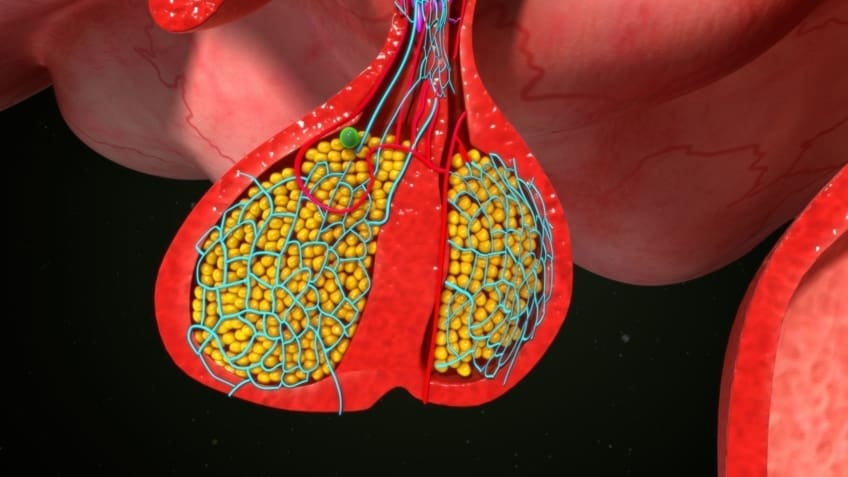
Hypopituitarism is a disorder in which your body doesn’t make enough hormones from the pituitary gland. The pituitary gland is a small, bean-shaped gland at the base of your brain. It plays a role in controlling your body’s endocrine system. The endocrine system is a group of glands that produce and secrete hormones to regulate your body’s processes.
In hypopituitarism, the pituitary gland fails to produce or doesn’t produce enough of one or more of its hormones. When your pituitary gland doesn’t produce enough hormones, your body functions are affected.
The pituitary gland is responsible for releasing:
- Adrenocoricotropichormone (ACTH).This stimulates the adrenal glands to produce cortisol and other hormones to help your body deal with stress.
- Anti-diuretic hormone.This controls urine
- Follicle-stimulating hormone.This works with luteinizing hormone to stimulate sperm production from the testes in men. It stimulates egg development and ovulation in women.
- Growth hormone.This controls bone and tissue growth. It also maintains the balance of fat and muscle tissue in the body.
- Luteinizing hormone.This controls testosterone production in men and estrogen in women.
- This causes the uterus to contract during childbirth. It also causes the breast to release milk (in women).
- This controls the development of breasts and the production of breast milk in women.
- Thyroid-stimulating hormone.This stimulates your thyroid gland to make other hormones that regulate your body’s metabolism.
What are the symptoms of hypopituitarism?
It’s possible for the symptoms of hypopituitarism to appear suddenly. But it’s much more common for them to develop over time. Because of this, they’re often overlooked for months or years.
Possible symptoms include:
- Abdominal discomfort
- Constipation
- Facial puffiness
- Fatigue
- Headaches
- Hoarse voice
- Low blood pressure
- Loss of appetite
- Loss of underarm and pubic hair
- Low interest in sex (men and women)
- Muscle weakness
- Nausea
- Sensitivity to cold or difficulty staying warm
- Stiffness in the joints
- Thirst and excessive urination
- Unintended weight loss or gain
- Vision problems
Men may also experience:
- Erectile dysfunction
- Decrease in facial or body hair
- Loss of interest in sexual activity
Women may also experience:
- Inability to produce milk for breast-feeding
- Infertility
- Irregular or stopped menstrual periods
Children may also experience:
- Stunted growth, which may result in short stature
- Slowed sexual development
You should see a doctor immediately if certain symptoms of hypopituitarism develop suddenly. These include:
- Severe headache
- Visual problems
- Confusion
- Drop in blood pressure
Sudden onset of these symptoms could be a sign of sudden bleeding into the pituitary. This is called pituitary apoplexy, which is a serious condition.
What causes hypopituitarism?
Hypopituitarism is commonly caused by a tumor in the pituitary gland. A tumor can squeeze the pituitary gland as it grows, which can cause damage. A pituitary tumor can also put pressure on the optic nerves in the eyes and cause visual problems.
Other causes of hypopituitarism are:
- Brain tumor
- Brain surgery
- Head injuries
- Infections of the brain, such as meningitis
- Radiation treatment to the brain
- Stroke
- Tuberculosis
- Uncommon diseases, such as sarcoidosis and histiocytosis X
Hypopituitarism can also be caused by diseases of the hypothalamus. The hypothalamus is a portion of the brain located just above the pituitary gland. It’s responsible for producing hormones that help the pituitary gland function normally.
In other cases, the cause of hypopituitarism may be unknown.
How is hypopituitarism diagnosed?
If you have symptoms of hypopituitarism, your doctor may order blood tests to check your hormone levels. Or you doctor may want to check for pituitary tumors or defects. This is done using a computerized tomography (CT) scan or for more detail and smaller concerns, a magnetic resonance imaging (MRI) scan of your brain. Your doctor may do several vision tests to see if your sight is being affected. In children, X-rays can measure whether bones are growing normally.
Your doctor may also want you to see an endocrinologist. This is a doctor who studies the endocrine system. You may need to go to a special endocrine clinic for other tests.
Can hypopituitarism be prevented or avoided?
In most cases, you can’t prevent this disorder. Some medicines can suppress pituitary function. This can cause hypopituitarism. Ask your doctor about these risks if you’re taking glucocorticoids (such as prednisone and dexamethasone).
Hypopituitarism treatment
Your doctor will treat the condition that’s causing your hypopituitarism first. This can help restore your pituitary gland’s ability to produce hormones.
If a tumor on your pituitary gland is causing your hypopituitarism, your doctor may recommend surgery to remove it. Or they may recommend radiation therapy to shrink it.
Sometimes, even after treatment, your body doesn’t produce enough of one or more pituitary hormones. In these cases, your doctor may prescribe a hormone replacement medicine to add to your body’s hormone production.
Hormone replacement medicines include:
- Corticosteroids(such as prednisone and hydrocortisone). This medicine replaces hormones missing because of an adrenocorticotropic hormone deficiency.
- Desmopressin (DDAVP).This medicine replaces adrenocoricotropic hormones missing because of an anti-diuretic hormone deficiency. It also helps reduce your body’s loss of water through frequent urination.
- Growth hormone(also called somatropin). This promotes growth in children and benefits adults who have a growth hormone deficiency.
- This replaces thyroid hormones missing because of a thyroid-stimulating hormone deficiency.
- Sex hormones.These replace testosterone (in men), estrogen (in women), or an estrogen/progesterone combination (in women) missing because of a pituitary problem.
If you’re taking hormone replacement medicine, your doctor may want to regularly monitor your hormone level. Doing so will make sure you’re getting the right amount of replacement hormones.
If you become very sick (such as with the flu) or go through a stressful time, your doctor may adjust the dose of replacement hormone you take (just as a normally functioning pituitary gland would do). You might also need a dose adjustment if you become pregnant or have a significant change in weight.
You should carry a medical alert card and bracelet at all times. This way, emergency medical workers know what kind of care you need in case of emergency.
Living with hypopituitarism
Managing hypopituitarism using hormone replacement therapy is often successful. Just remember that you’ll need to check in regularly with your doctor to monitor hormone levels.
Questions to ask your doctor
- What is the likely cause of my hypopituitarism?
- What are the results of my blood/diagnostic test(s)? What do these results mean?
- What is the best treatment option? Will I need surgery?
- What risks are associated with surgery?
- Will I need to take medicine? For how long?
- Am I at risk of having a medical emergency? Do I need to wear a medical alert bracelet?
- What symptoms would indicate my condition is getting worse?
- Am I at risk for any long-term health problems?

Copyright © American Academy of Family Physicians
This information provides a general overview and may not apply to everyone. Talk to your family doctor to find out if this information applies to you and to get more information on this subject.