




What is interstitial nephritis?
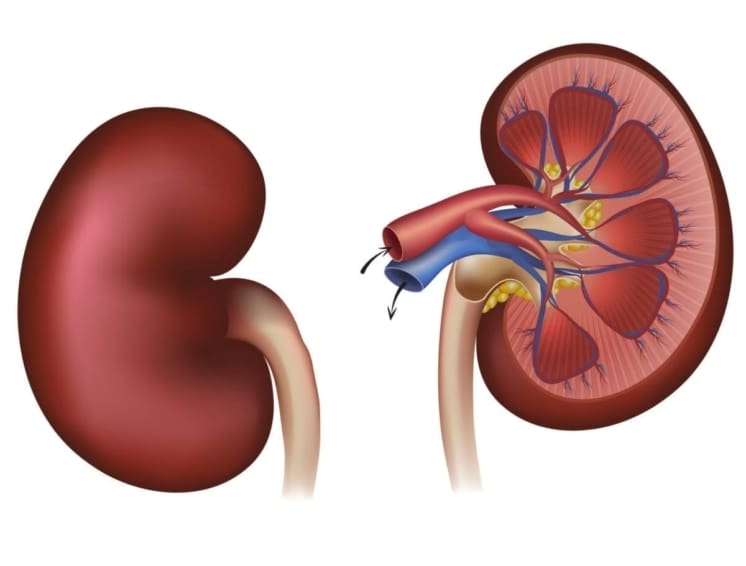
Interstitial nephritis is a kidney disorder. The kidneys filter waste and extra fluid from the body. When you have interstitial nephritis, the spaces between tubules (small tubes) inside the kidney become inflamed. This reduces the kidneys’ ability to filter properly.
Interstitial nephritis is a serious condition, but it can be treated. In rare cases, it may cause kidney failure. When the kidneys fail, waste and extra fluid will build up in the body. This can affect the heart, brain, lungs, and other organs.
Symptoms of interstitial nephritis
The most common symptom of interstitial nephritis is a decrease in the amount of urine you produce. Other symptoms can include:
- Increased urine output
- Blood in your urine or dark urine
- Nausea or vomiting
- Fever or rash
- Elevated blood pressure
- Changes in mental status, such as drowsiness or confusion
- Swelling of any area of your body
- Sudden weight gain. This can be caused by extra fluid in the body.
What causes interstitial nephritis?
Interstitial nephritis can be caused by the following problems:
- Infections
- A reaction to a medicine, such as certain antibiotics
- Too much of certain medicines. These include diuretics (water pills) or pain relievers, such as acetaminophen, aspirin, or a non-steroidal anti-inflammatory drug (NSAID).
- Unbalanced levels of certain nutrients in your blood. This includes too little potassium or too much calcium.
- Autoimmune disorders, such as Kawasaki disease or Sjogren syndrome
Interstitial nephritis may occur 2 or more weeks after you start a medicine. Talk to your doctor if you have any questions about a medicine you’re taking.
How is interstitial nephritis diagnosed?
Your doctor will ask you about your medical history, including what medicines you take. They may need to listen to your heart and lungs for signs of excess fluid. This can be one sign of kidney failure. They will check you for high blood pressure, which also is a sign of kidney problems.
If you have one or more symptoms, your doctor may test your urine (called a urinalysis) and your blood. They may also order imaging tests of your kidneys, such as an ultrasound. If tests detect something, your doctor may refer you to a specialist for a biopsy. This means they will take a small sample of tissue from the kidney to examine under a microscope.
Can interstitial nephritis be prevented or avoided?
In most cases, there’s nothing you can do to prevent interstitial nephritis. You can reduce your risk of getting it by avoiding medicines that can cause the condition.
Interstitial nephritis treatment
Interstitial nephritis is caused by an underlying problem. Treatment depends on what is causing the condition. If the problem is an infection, your doctor will treat the infection. If a medicine is causing it, they will probably have you stop taking the medicine. In some cases, corticosteroids (medicines that reduce inflammation) may help. Dialysis, a treatment that uses a special machine to filter the blood, is sometimes necessary.
Living with interstitial nephritis
In most cases, interstitial nephritis is a short-term problem. Treatment of the underlying problem cures the condition. Rarely it can lead to long-term or permanent kidney damage, such as chronic kidney failure. This is more likely to happen in older adults.
Questions to ask your doctor
- What is causing my interstitial nephritis?
- What treatment is best for me?
- Should I stop taking any of my medicines?
- Do I need to see a specialist, such as a urologist or nephrologist (kidney specialist)?
- Are there any medicines I can take that will make it better?
- Will I need dialysis? If I do, how long will I have to do it?
- Could this cause permanent damage to my kidneys?
- How often will I need to come in for follow-up visits?
Resources
National Institutes of Health, MedlinePlus: Interstitial nephritis

Copyright © American Academy of Family Physicians
This information provides a general overview and may not apply to everyone. Talk to your family doctor to find out if this information applies to you and to get more information on this subject.