



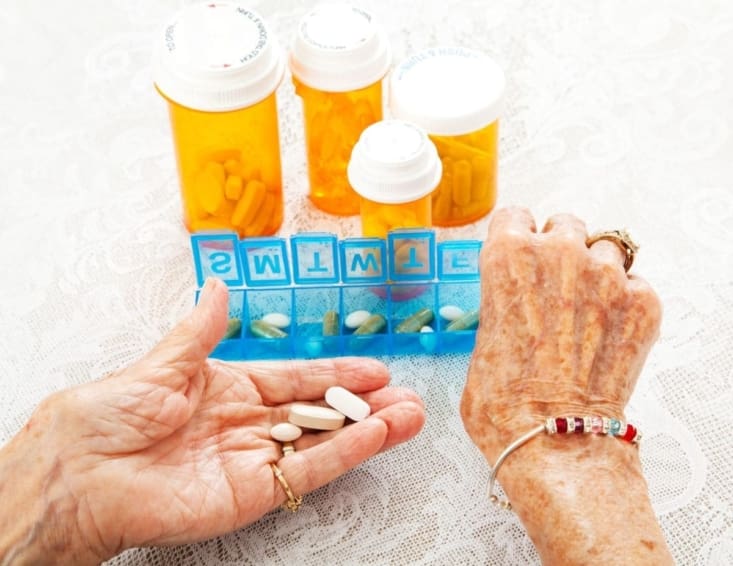
Prescription drug abuse is when people misuse prescribed medicines. They may abuse their own medicine in a way that is not instructed by the doctor. This includes taking more medicine than they need or taking it when they don’t need it. Or they may abuse a prescription that is meant for someone else. Prescription drug abuse also can occur when people mix medicine with alcohol or other drugs.
Prescription drug abuse is also a term that refers to the improper use of medicines that are categorized as controlled substances by the Drug Enforcement Administration. Examples include medicines that doctors prescribe to treat pain, anxiety, or sleep. This can lead to serious problems, such as drug interactions, addiction, or even overdose. A drug interaction occurs when two or more drugs react with each other. It could make drugs less effective or cause harmful side effects.
Most prescription drugs are safe and effective when you follow your doctor’s directions for how to take the medicine.
Why are older adults at risk for prescription drug abuse?
Most older adults who suffer from prescription drug abuse do so by accident. They take more medicine than other age groups. According to the National Institute on Drug Abuse, 50% of people between the ages of 57 to 85 take more than 5 medications or supplements daily. This increases the risk for mistakes and drug abuse.
Growing older also slows down your body’s abilitye to absorb and filter medicines. This means that an older adult might develop drug abuse to or have side effects from a prescription drug at a lower dose than a younger adult.
Path to improved health
A person can abuse any type of prescription drug. Elderly adults commonly take 2 types of medicines that have a high potential for misuse and/or abuse.
- Opioidsare used to control pain. Examples include oxycodone (OxyContin), oxycodone with acetaminophen (Percocet), and hydrocodone with acetaminophen (Vicodin). A person can develop opioid misuse if they take an opioid for a long period of time or take too much of an opioid.
- Benzodiazepinesare used to treat anxiety, panic attacks, or insomnia. Examples include diazepam (Valium), alprazolam (Xanax), clonazepam (Klonopin), and lorazepam (Ativan). A person can develop misuse or abuse if they take the drug for a long period of time.
Symptoms of prescription drug abuse can be hard to recognize in older adults. This is because they are similar to symptoms of aging. For instance, confusion and memory loss are symptoms of both.
If you care for or spend time with an older adult, be aware of their medicines and behavior. The following are warning signs that someone may be abusing prescription drugs. If they:
- Get a prescription for the same medicine from two different doctors
- Fill a prescription for the same medicine at two different pharmacies
- Take more of a medicine than they used to or take more than is instructed on the label
- Take the medicine at different times or more often than is instructed on the label
- Become more withdrawn or angry
- Appear confused or forgetful
- Often talk about a medicine
- Are afraid to go somewhere without taking a medicine
- Are defensive when you ask about a medicine
- Make excuses for why they need a medicine
- Store “extra” pills in their purse or in their pocket
- Sneak or hide medicine
- Have been treated for alcohol, drug, or prescription drug abuse in the past
Things to consider
If you suspect that an older adult is abusing a prescription drug, contact their doctor right away. Tell them about your concerns. The doctor will likely make an appointment to evaluate the person. They can diagnose if the problem is prescription drug abuse. The doctor also will help determine treatment.
Treatment options for prescription drug abuse vary by person. It depends on what drug is abused, the degree of abuse, and the risk of having a withdrawal of the drug. Treatment may include counseling, medicine, or both.
Questions to ask your doctor
- Do I take any medicines that could cause a drug interaction?
- What should I do if I feel like I’ve become dependent on a medicine?
- What is the best way to organize medicines so I don’t make a mistake?
- What are the symptoms for prescription drug abuse?
- How do I know if I need help?
Resources
National Institutes of Health, MedlinePlus: Opioid Misuse and Addiction
Partnership to End Addiction: Elderly at Risk for Prescription Drug Abuse

Copyright © American Academy of Family Physicians
This information provides a general overview and may not apply to everyone. Talk to your family doctor to find out if this information applies to you and to get more information on this subject.