




What is pinworm infection?
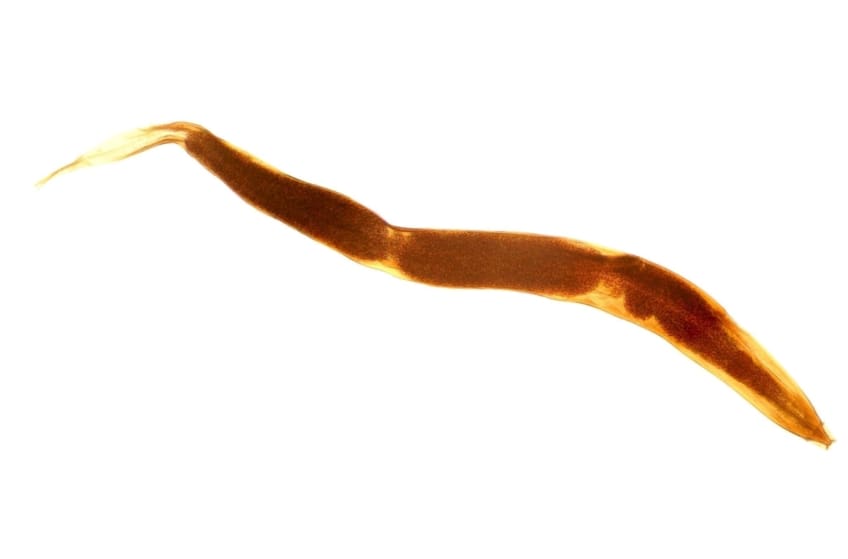
Pinworm infection is an intestinal infection caused by small, white worms. Anyone can get it, but it’s most common in young children. It’s easily treated.
Symptoms of pinworm infection
If your child is infected with pinworms, they may frequently scratch their bottom. Your child may also move around a lot in bed at night or not be able to sleep. That’s because your child it itchy. The itching is caused by the female pinworm that comes out of the rectum to lay eggs around the anus (the opening to the rectum). The eggs stay in the upper part of the intestine until they hatch. After they hatch, the worms move down the length of the intestine, and then out the anus where they lay more eggs.
You also may be able to see the tiny, white worms (shorter than 1/2 inch in length) on your child’s bottom at night. Or the worms may show up in your child’s stools.
What causes pinworm infection?
Pinworms are contagious and easily spread, usually from child to child. Pinworm eggs can be picked up on children’s fingers when they’re playing. When children who are infected scratch their itchy bottoms, the tiny eggs can get under their fingernails. Eggs can stay on your child’s skin for several hours. They can survive for up to 3 weeks on clothes, bedding, and toys. If the eggs are on your child’s hands or toys and they put their fingers or toys in their mouth, the tiny eggs can enter their bodies. Children who don’t wash their hands thoroughly before eating and children who suck their thumbs are at an increased risk.
Although pinworm infection is more common in school-aged children, anyone can get it. As children who are infected move around the house, the eggs may be spread, and other family members can become infected. Sometimes adults breathe in the eggs when the bed covers are shaken. However, this isn’t very common.
Pets don’t spread pinworms, although they may carry their own kinds of worms.
How is pinworm infection diagnosed?
Because pinworms usually crawl out of the anus while a child sleeps, the tape test is an easy way to find pinworms. It’s best to do this right when your child wakes up and before they use the bathroom or take a bath. To do the tape test, pat a piece of clear tape on the skin around the anus. Do this for three mornings in a row and save the tape from each morning. Then take the tape to your doctor, who can use a microscope to check for pinworms or eggs. It’s also possible to see the adult worms around the anus during the tape test.
Can pinworm infection be prevented or avoided?
There are ways to prevent or avoid getting pinworm infection—and reinfections. Follow these tips:
- Make sure your child washes their hands before a meal and after using the restroom.
- Keep your child’s fingernails trimmed.
- Discourage your child from nail-biting and scratching their anal area.
- Be sure your child changes into a clean pair of underwear each day.
- Have your child bathe in the morning to reduce egg contamination. If possible, have your child take a shower instead of a bath.
- Change your child’s night clothes, underwear, and bedding after treatment.
Pinworm infection treatment
Most pinworm infections are mild and easily treated. Your doctor may prescribe a single chewable tablet of a medicine called mebendazole. A second tablet is taken about 3 weeks later if the infection isn’t cured. Or your doctor may recommend another kind of medicine called pyrantel, which is taken as a single dose.
Even if only one child in your family has pinworms, it’s often important that everyone in the household be treated with the pinworm medicine at the same time.
Living with pinworm infection
Pinworm infection is very contagious. If you don’t take precautions, it’s easy to become reinfected. If anyone in your home has pinworms, take these steps to get rid of the pinworm eggs. Doing so will minimize your chances of reinfection.
- Wash all the sheets, blankets, towels, and clothing in the house in hot water.
- Carefully clean everyone’s fingernails (which may hold the worm eggs) and cut them short.
- Scrub toys, countertops, floors, and other surfaces the infected child has touched.
- Vacuum carpets.
Questions to ask your doctor
- How long will the treatment take?
- When should I call my doctor?
- Should I let my child’s school or daycare know they have pinworms?
- Should I get rid of my child’s bedding or underwear?
- Will hand sanitizers work against pinworms?
- What steps can I take to make sure no one else in my house gets pinworms?
- Should everyone in my house be treated, even if they don’t have any symptoms?

Copyright © American Academy of Family Physicians
This information provides a general overview and may not apply to everyone. Talk to your family doctor to find out if this information applies to you and to get more information on this subject.