



What is small vessel disease?
Small vessel disease is a condition that affects the tiny arteries in your heart. It is caused when these arteries are damaged and don’t dilate properly. It is also called coronary microvascular disease. Your small vessels expand and contract to provide blood to your heart. They send more blood when you exercise or exert yourself. They send less blood when you are at rest. Small vessel disease makes blood flow more difficult.
Symptoms of small vessel disease
Angina is the most common symptom of small vessel disease. Angina feels like pain or pressure in your chest. It can make you sweat or make it hard to catch your breath. The pain can spread to your arm, neck, jaw, or shoulder. The symptom is similar to a heart attack.
Other symptoms of small vessel disease include:
- Shortness of breath
- Feeling dizzy or lightheaded
- Fatigue
- Fainting
Most people who have small vessel disease notice symptoms in their daily routine. You also can have them when you are active or stressed. If left untreated, small vessel disease forces your heart to work harder to pump blood. This puts you at risk for heart attack and heart failure.
Women are at higher risk for small vessel disease. Other risk factors include:
- Low estrogen levels
- Obesity
- High blood pressure
- High cholesterol levels
- Lack of exercise
- Diabetes
- Smoking
- Family history of heart disease
What causes small vessel disease?
A narrowing of your heart arteries leads to small vessel disease. This can be caused by:
- Spasms in your arteries
- Damage to your artery walls
- Diseased arteries
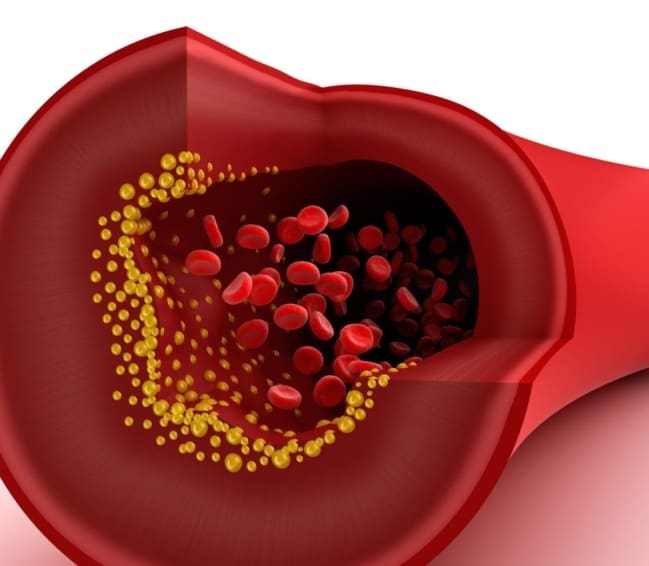
Small vessel disease is not the same as coronary artery disease (CAD). CAD affects the large vessels in your heart. They carry oxygen-rich blood to your heart. CAD is caused by a build-up of a fatty substance (plaque) in your large vessels. When your heart lacks blood and oxygen, you can have a heart attack.
How is small vessel disease diagnosed?
Talk to your doctor if you have any of the symptoms of small vessel disease. Small vessel disease is hard to diagnose. This is because the vessels are so tiny. Your doctor may perform tests to examine your symptoms. He or she will make sure the blockage is not in your large coronary vessels.
If you have severe chest pain that extends from your chest to your jaw or left arm, get help right away.
Can small vessel disease be prevented or avoided?
The best way to prevent small vessel disease is by reducing your risk factors.
- Lose weight. If you are overweight, create a weight loss plan with your doctor.
- Don’t smoke. Nicotine raises your blood pressure by causing your body to release adrenaline. It constricts your blood vessels and makes your heart beat faster. If you smoke, ask your doctor for help to quit.
- Control your blood pressure. If you have high blood pressure, your doctor can suggest ways to lower it. Take medicines to treat high blood pressure should be taken with caution, per your doctor’s orders.
- Improve your cholesterol levels. A healthy diet and exercise can balance your cholesterol levels. They lower your “bad” cholesterol (LDL) and raise your “good” cholesterol (HDL). LDL blocks your blood vessels and increases your risk of developing heart disease. Medicine also can help with this.
- Regular exercise strengthens your heart and reduces your risk of heart disease. Before you start, talk to your doctor about the right kind of exercise for you. Try to exercise at least 4 to 6 times a week for at least 30 minutes each time.
- Eat a healthy diet. Add foods to your diet that are low in cholesterol and saturated fats. Foods that are low-fat and raise your HDL levels help reduce your risk of heart disease.
- Manage diabetes. Work with your doctor to keep your blood sugar under control.
Small vessel disease treatment
Medicine can help control the narrowing of your small blood vessels. It also can help control your symptoms, such as pain and high blood pressure. Surgery is not an option because the vessels are so small.
Living with small vessel disease
Your doctor will want routine check-ups to monitor how you are doing. The frequency of these check-ups will depend on the severity of your disease. Be sure to tell your doctor if you have any new symptoms. Also tell your doctor if you’ve ever had anemia. Anemia is a condition marked by low red blood cell count. It can increase your risk of heart attack.
Questions to ask your doctor
- If I have small vessel disease, is it safe for me to exercise?
- Will medicine to treat small vessel disease interact with medicines I already take?
- What symptoms will indicate that my condition is getting worse?
- Does small vessel disease put me at risk for any long-term problems?

Copyright © American Academy of Family Physicians
This information provides a general overview and may not apply to everyone. Talk to your family doctor to find out if this information applies to you and to get more information on this subject.