


What is a spinal cord injury?
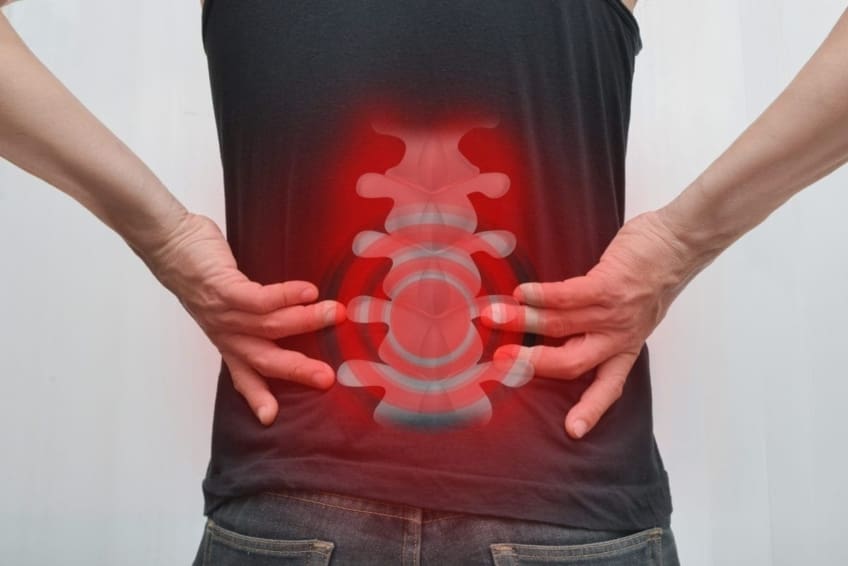
Your spinal cord is made up of bundles of nerves and nerve cells. These carry messages from your brain to the different parts of your body. Your spinal cord runs from the base of your brain to your waist. It is protected by your backbone, or spinal column. The backbone is made up of bony rings in your back called vertebrae.
There are many common causes of spinal cord injury including falling, sports-related events, and car accidents. The spinal cord also can be injured as a result of diseases such as polio or spina bifida.
What are the symptoms of a spinal cord injury?
Symptoms of a spinal cord injury (SCI) vary. They depend on the type, location, and severity of the injury. An entire loss of muscle control and feeling is called a complete SCI. Some muscle control and sensation is called an incomplete SCI. Injuries that occur higher up the spinal cord usually result in more severe symptoms.
Paralysis is a common symptom of spinal cord injuries. It is a loss of movement in part of your body. When this happens, there may be some or no feeling in the paralyzed area. Damaged vertebrae in your neck can paralyze your arms, chest, and legs. It also can affect the muscles that control breathing. Damaged vertebrae in your upper or lower back areas can paralyze your chest and legs.
Immediate signs of an SCI include:
- Pain
- Numbness, tingling, or loss of feeling
- Weakness
- Dizziness
- Confusion
- Loss of muscle function (paralysis)
- Trouble breathing
In addition to these symptoms, ongoing issues may be:
- Loss of bowel and bladder control
- Sexual dysfunction
- Spasticity (spasms)
If you think someone has an injury to their head, neck, or back:
- Call 911.
- Do not move them (in case of injury).
- Roll up blankets or towels and place them on either side of the person’s head. This helps keep the person’s head and neck in place.
- Perform any first aid, if needed, such as giving CPR or putting pressure on a wound. Again, be sure to keep the person’s head and neck in place.
What causes a spinal cord injury?
There are two main causes of a spinal cord injury. The first is a blow to the spinal column. It can damage your spinal cord or the nearby vertebrae or tissue, which can pinch the cord. This can result from a car accident, sports injury, fall, or assault, such as a gunshot or knife wound. Additional damage can occur in the following days. Bleeding, swelling, and fluid buildup can put pressure on your spinal cord.
Disease also can cause a spinal cord injury. Examples include arthritis and polio. Osteoporosis and aging are risk factors. These can weaken your spinal column and make you more prone to SCIs. Spina bifida (“split spine”) is a birth defect that can act like an SCI.
How is a spinal cord injury diagnosed?
A doctor will diagnose your spinal cord injury. They will keep you immobile (still) during tests at the hospital. Possible tests are an X-ray, computerized tomography (CT) scan, or magnetic resonance imaging (MRI). These tests take pictures of the vertebrae to show if there is any damage. Your doctor also will perform a neurological exam. This helps them determine how severe the injury is. They will see how much muscle control you have and whether or not you can feel sensations. All of these tests diagnose the level and completeness of your injury.
Can a spinal cord injury be prevented or avoided?
SCIs that occur from disease cannot be prevented. However, SCIs that are caused by accidents or sports injuries may be prevented. Prevention would include not participating in the activity that puts you at risk for injury.
Spinal cord injury treatment
A team of doctors will decide the best treatment for your spinal cord injury. In the short-term, medicine can help reduce swelling of the SCI. Methylprednisolone is a cortisone or steroid medicine. If it is given right away, it can reduce damage to your nerve cells. You may need surgery to stabilize your spine or remove bone or tissue that is pressing on your spinal cord. Your doctor will put you in traction to keep your head and body still during surgery.
Long-term treatment options have several benefits. They help prevent blood clots, muscle shrinkage, calcium loss, and thinning of your skin. Treatments include:
- Medicine. Certain medicines and injections can help control some SCI symptoms. For example, botulinum toxin regulates arm spasms. Talk to your doctor about what works best for your type of injury and symptoms. Medicine also helps manage pain.
- Physical therapy. In some cases, physical therapy can help with muscle function. It consists of stretching, strengthening, and muscle training. It can provide flexibility, control, coordination, and strength.
- Occupational therapy. This type of therapy can help you relearn daily tasks, such as bathing, dressing, cooking, and writing. Your body may have forgotten how to do these tasks since the injury. It also provides education to prevent future health problems.
- Experimental treatments. Researchers are working to find a cure for spinal cord injuries. Talk to your doctor about new treatments that may be available.
Living with a spinal cord injury
Your recovery depends on how severe your injury is. In most cases, improvement occurs within the first 6 months of injury. However, some people continue to make progress beyond that. There is no cure for SCIs, so you will need ongoing treatment.
People who have spinal cord injuries can live full, happy lives. They can work, get married, and have children. Some can go to events, play sports, and drive cars. Continued research focuses on finding a cure and providing new treatment options.
Questions to ask your doctor
- Will my spinal cord injury improve over time?
- How much movement and feeling can I expect to recover?
- How will my spinal cord injury affect my other health? Does it put me at risk of other issues?
- What experimental treatments are available for me?
- Can you recommend a support group for people with spinal cord injuries?

Copyright © American Academy of Family Physicians
This information provides a general overview and may not apply to everyone. Talk to your family doctor to find out if this information applies to you and to get more information on this subject.