





What is a stroke?
A stroke is a medical condition. It happens when the blood flow to your brain stops. When this happens, it causes your brain cells to die (within minutes of the stroke). There are two types of strokes: ischemic stroke and hemorrhagic stroke. Ischemic strokes are the most common. They are caused by a blood clot. That clot blocks a blood vessel in the brain. With a hemorrhagic stroke, a blood vessel breaks and bleeds into the brain.
When you have a stroke, you may lose the ability to do something that is controlled by the injured part of your brain. For example, you could lose the use of an arm or leg. You could lose the ability to speak. The damage can be temporary or permanent. IMPORTANT: The sooner you get treatment after stroke symptoms start, the better the chance of getting blood flow to your brain. This prevents more damage. People who have had a stroke are more likely to have another stroke. The risk is especially high during the year after your first stroke.
Symptoms of a stroke
Call for emergency help immediately if you have any of the following symptoms:
- Sudden weakness or numbness of the face, arm, or leg on one side of your body
- Sudden dimness or loss of vision, particularly in one eye
- Trouble talking or understanding what others are saying
- Sudden severe headache with no known cause
- Sudden unexplained dizziness
- Falling or unstable walking
Also, these symptoms can tell you if someone else is having a stroke. It’s called the F.A.S.T. test:
- F is for Face drooping. Does one side of the face droop when the person tries to smile?
- A is for Arm weakness. When the person raises both arms, does one arm drift downward?
- S is for Speech difficulty. Can the person repeat a simple sentence (for example, “The sky is blue.”) correctly? Is their speech slurred?
- T is for Time to call for emergency help. It’s important to get help immediately if a person has any of these symptoms.
Another condition that is similar to stroke is called a transient ischemic attack (TIA). A TIA is a “mini-stroke.” It causes the same symptoms listed above. Your symptoms may only last a few minutes. However, do not ignore it. Having a TIA increases your risk of having a stroke later. Call your doctor immediately if you think you are having a TIA.
What causes a stroke?
Certain risk factors contribute to having a stroke. Some stroke risk factors can be changed, treated, or controlled. For example, high blood pressure is the biggest risk factor for stroke. High blood pressure can be controlled. Other risk factors include:
- Smoking
- Being overweight
- Being inactive
- Uncontrolled diabetes
- High cholesterol
- Over age 55 years
- Family history of stroke
- Being African American
- Being female
- Having a previous stroke or transient ischemic attack
How is a stroke diagnosed?
Immediate medical care is critical after having a stroke. Your doctor will ask about your symptoms and health history. Then they will perform a physical exam. Your doctor also will want to check your blood pressure and listen to your heart. They will want to know if you fell and suffered a head injury. If your doctor suspects you have had a stroke, you will have more tests. These tests may include:
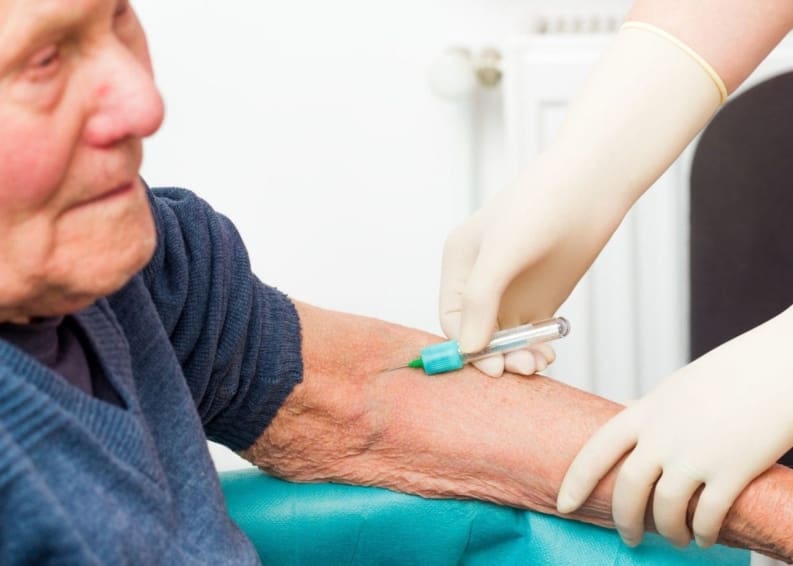
- Blood tests. This will give your doctor information about how quickly your blood is clotting and your blood sugar levels. Controlling how quickly your blood clots and your blood sugar level is necessary to prevent further damage.
- Computerized tomography (CT) brain scan. A CT scan is similar to an X-ray. This test will be performed on your head to see your brain. Pictures from the scan can tell your doctor if you have had bleeding, a tumor, a stroke, or other medical conditions. Sometimes, a dye will be injected into your arm to “light up” your blood vessels. This gives your doctor better details of what’s going on in your brain and neck.
- Magnetic resonance imaging (MRI). An MRI is another type of scan that allows your doctor to see your brain. An MRI is sensitive enough to examine damaged brain tissue and bleeding. Sometimes, a dye is used for an MRI, as well.
- Carotid ultrasound. This test uses sound waves to create pictures of the inside of the carotid arteries in your neck. It can show your doctor how well your blood is flowing through your carotid arteries. Also, it shows whether you have a buildup of fatty deposits (plaques) in those arteries.
- Cerebral angiogram. This test involves inserting a thin, flexible tube into your groin (near your upper thigh). The tube travels through your major arteries and into your carotid artery. Dye is used for this test too. Once it is in, an X-ray will help your doctor get a clear view of the arteries in your neck and brain.
- Transesophageal echocardiogram. An echocardiogram uses sound waves to give your doctor clear pictures of your heart. An echocardiogram can detect the source of blood clots in your heart that may have traveled to your brain and caused your stroke. During this test, a flexible tube attached to a small device (transducer) is inserted down your throat. It connects the back of your mouth to your stomach. This gives your doctor clear pictures of your heart and any blood clots.
Can a stroke be prevented or avoided?
Changing those risk factors that you can control will help reduce your risk of stroke. This includes:
- Stop smoking.
- Reduce your alcohol intake.
- Control your blood pressure.
- Control your cholesterol.
- Control your blood sugar with medicine, diet, and exercise if you have diabetes.
- Get regular physical activity.
- Maintain a healthy weight.
Have regular checkups so that your doctor can help you manage health conditions that increase your risk of having a stroke. Ask your doctor for advice on making lifestyle changes to decrease your risk of stroke. Talk to your doctor about current guidelines for taking aspirin in low doses to reduce your risk of stroke or transient ischemic attack. Aspirin can help keep your blood from forming clots that block your arteries. If your doctor recommends taking low-dose aspirin, it is important to follow their instructions so that you get the most benefit with the fewest side effects.
Stroke treatment
Quick, emergency care is important in treating a stroke. Emergency room treatment depends on whether you had an ischemic or hemorrhagic stroke. Immediate treatment options include the use of blood-thinning (clot bluster) medicine, surgery, or other procedures.
Following immediate treatment, controlling the underlying health conditions that caused your stroke is important. That means controlling your diabetes, blood pressure, cholesterol, and making lifestyle changes.
Stroke rehabilitation is an important part of recovery after a stroke. It helps build your strength, coordination, endurance, and confidence. A main goal of stroke rehabilitation is to help you learn how to live with the effects of the stroke. This will help you be as independent as possible. It may include physical therapy, occupational therapy, speech therapy, and swallowing therapy. Your doctor will decide what kind of rehabilitation will be helpful for you. Rehabilitation can begin as soon as the stroke is over, and you are stable. In many cases, it starts in the hospital as soon as 24 to 48 hours after a stroke. Most people need to continue rehabilitation for months or years after a stroke.
If you have a loved one who had a stroke, they will need your help and support. Some places offer classes for stroke survivors and their families. You may be able to go to some of your loved one’s rehabilitation sessions. This is a good way to learn how stroke rehabilitation works and how you can help your loved one get better.
Find out what they can do alone, what they can do with help, and what they can’t do at all. Tell the rehabilitation staff what activities your loved one enjoys. Help your loved one practice the skills learned in stroke rehabilitation. For example, avoid helping your loved one do things that they are able to do alone. Practicing skills will build your loved one’s confidence.
Living with stroke
Living with stroke will mean managing your health conditions that cause it. Also, it will mean living with the temporary or permanent side effects. The following are the most common side effects of stroke:
- Weakness or paralysis on one side of the body
- Problems with speech and language
- Poor balance or clumsy movement
- Ignoring or being unaware of one side of the body
- Trouble swallowing
- Problems with bladder or bowel control
- Problems with memory, thinking, or problem-solving
- Poor vision and/or changes in vision
- Numbness
Brain injury and loss of function from a stroke can lead to emotional changes, too. Soon after the stroke, you may have trouble controlling your emotions. Your moods may change more quickly than they did before the stroke. For example, you may suddenly start crying or laughing for no reason. Usually, this gets better over time.
It is normal to feel depressed, sad, or frustrated as you get used to the changes caused by a stroke. These reactions can be treated. Talk to your doctor about how you are feeling so that they can help.
Driving is another issue if you have had a stroke. Your doctor can advise you if it is safe for you to drive again. Having a stroke can affect your mobility, vision, and thinking. Your reaction time may be slower. These changes can make driving a car unsafe for you and for other people on the road. If your doctor says that it is safe for you to drive again, contact your state’s department of motor vehicles. Ask about the rules for people who have had a stroke. You may have to take a driving test or a class. Driver training programs are often available through rehabilitation centers.
It can be frustrating if you can’t drive after having a stroke. Other options for getting around include public transportation, specialized vans, taxis, and getting rides from friends and family members. Community resources such as senior citizen groups and local volunteer agencies may also be able to help.
Questions to ask your doctor
- Will taking low-dose aspirin cause me to have an ulcer?
- Can you have a stroke even if you are controlling the health conditions that cause it?
- Can stress cause a stroke?
- Can a stroke be fatal?

Copyright © American Academy of Family Physicians
This information provides a general overview and may not apply to everyone. Talk to your family doctor to find out if this information applies to you and to get more information on this subject.