




What is tuberous sclerosis?
Tuberous sclerosis is a rare disease that causes tumors, or growths, in the brain and other organs. These growths can occur in the skin, kidneys, eyes, heart, or lungs. They are usually benign (not cancerous). However, when severe, tuberous sclerosis can shorten your life.
The first signs of tuberous sclerosis may occur at birth. Other people develop symptoms over time. Some of the first signs are seizures that are hard to control and spots on the skin. Some people may have learning problems.
Tuberous sclerosis affects every 1 in 6,000 newborns in the United States. The disorder occurs in both boys and girls and in people of all races and ethnic groups.
Symptoms of tuberous sclerosis
Your doctor may suspect tuberous sclerosis if your baby has a condition called cardiac rhabdomyomas (benign heart tumors) at birth. Another sign in infants is having seizures, especially a kind called infantile spasms.
Other symptoms can appear later in childhood or even in adulthood. They include:
- White spots on your skin that glow under a special lamp
- A rash on your face that may look like acne
- Problems with your kidneys
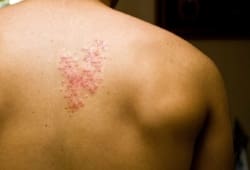
- Areas of very thick skin, often on your back
- Growths under or around your nails
- Pitted teeth
- Mental disabilities
- Developmental delays
- Autism spectrum disorder
The symptoms of tuberous sclerosis are different for different people. Some people may have mild symptoms. Others may have intellectual disabilities and seizures that are hard to control.
What causes tuberous sclerosis?
Tuberous sclerosis is a genetic condition. That means it is caused a change in your genes, the elements that make your body. Sometimes, it can be passed down through a family. If one parent has it, every child born to that parent has up to a 50% chance of inheriting it, too. But in most cases of the disease, there is no family history.
How is tuberous sclerosis diagnosed?
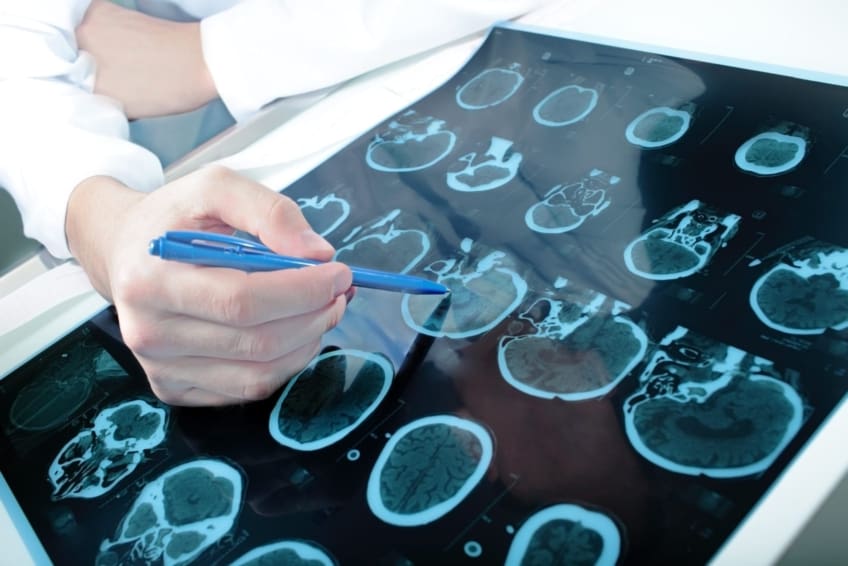
Your doctor will talk with you about your symptoms and health history. They may order several tests. They may do a CT scan or MRI of your head. They may do a CT scan of your chest or an echocardiogram of your heart. They may also do an ultrasound of the kidneys. Sometimes your doctor might perform an ultraviolet light examination of your skin. This helps identify if you have white spots on your skin that can come with tuberous sclerosis.
It is possible to diagnose the disease in an infant, especially one with a benign heart tumor or seizures. But many times, children aren’t diagnosed until they are older and other symptoms start to appear.
Can tuberous sclerosis be prevented or avoided?
There is no way to prevent or avoid tuberous sclerosis. If you have a family history of the disease and you want to have children, talk to your doctor. They may refer you to a genetic counselor or medical geneticist.
Tuberous sclerosis treatment
There is no cure for tuberous sclerosis. However, your doctor can treat many of the symptoms:
- Seizures: Medicine may control these. Some children may need surgery on their brain to help with seizures.
- Small growths on the face: These can be removed with laser treatment, though they do tend to come back.
- Brain tumors: These can be treated with medicine.
- Kidney tumors: Surgery is often needed for these.
- Developmental problems: Your doctor may refer your child to an occupational therapist.
- Intellectual disability: Your doctor may recommend special education for your child.
Living with tuberous sclerosis
Tuberous sclerosis is a lifelong condition, though many people who have it live a normal life. Their symptoms are mild or can be treated by their doctor. If symptoms are more severe, the disease can have more of an impact on your life. For example, children who have uncontrollable seizures or a severe mental disability may need assistance for the rest of their lives.
Anyone who has tuberous sclerosis is at higher risk of developing complications related to brain tumors or kidney lesions. That is why it is important to see your doctor regularly. They can help monitor your symptoms and catch complications early.
Some communities offer support systems for tuberous sclerosis. If you’d like to connect with other families experiencing the same thing, ask your doctor if there’s a group in your area.
Questions to ask your doctor
- My child is having seizures. Do they have tuberous sclerosis?
- Can my child’s tuberous sclerosis be treated with surgery?
- Are there any medicines that can make my child better?
- Will my child have intellectual disabilities?
- I have one child who has tuberous sclerosis. If I have another baby, will they have tuberous sclerosis, too?
- Is there a tuberous sclerosis support group in my area?

Copyright © American Academy of Family Physicians
This information provides a general overview and may not apply to everyone. Talk to your family doctor to find out if this information applies to you and to get more information on this subject.