



What is vulvodynia?
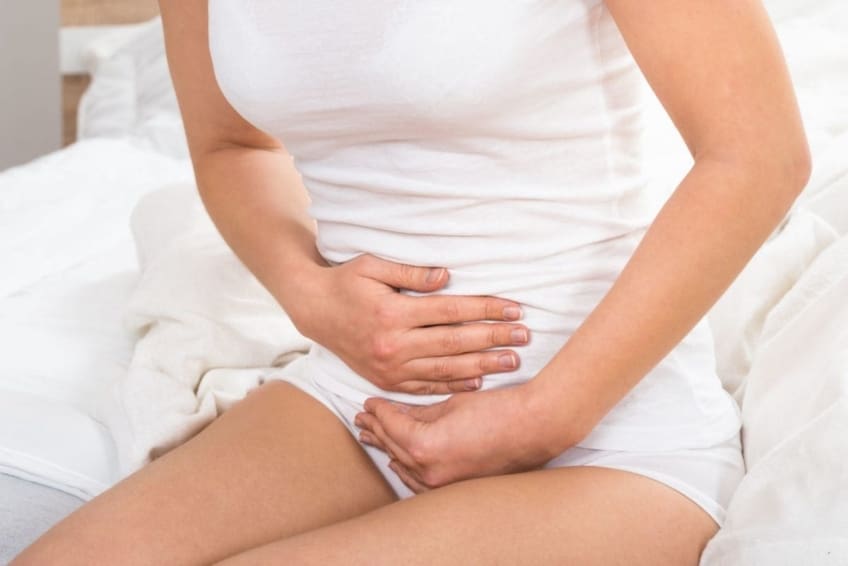
Vulvodynia is the word that describes pain and discomfort in the vulva. The vulva is a woman’s external genital area, or the area around the opening to the vagina.
Symptoms of vulvodynia
The pain associated with vulvodynia is usually described as a burning, stinging, itching, irritating, or raw feeling. Sexual intercourse, walking, sitting, or exercising can make the pain worse.
Vulvodynia usually starts suddenly and may last for months to years. Although it isn’t life threatening, the pain may make you cut back on some of your normal activities. It can also make you upset or depressed. It might even cause problems in your relationship with your spouse or partner. This is because it can make sexual intercourse painful.
What causes vulvodynia?
The exact cause of vulvodynia isn’t known. Some factors may include:
- Frequent yeast infections
- Chemical irritation of the external genitals (from soaps, feminine hygiene products, or detergents in clothing)
- Rashes on the genital area
- Previous laser treatments or surgery on the external genitals
- Nerve irritation, injury, or muscle spasms in the pelvic area
- Diabetes or sensory diabetic neuropathy
- Precancerous or cancerous conditions on the cervix
Sexually transmitted diseases do NOT cause vulvodynia.
How is vulvodynia diagnosed?
Your doctor may need to do a pelvic exam and tests to check for bacteria and yeast. If any test results don’t seem normal, your doctor may want you to have a colposcopy or a biopsy. Colposcopy is an exam of the genital area that uses a special magnifying glass. If you have a biopsy, your doctor first numbs your genital area with a painkiller, then takes a small piece of tissue that will be examined under a microscope.
Can vulvodynia be prevented or avoided?
Doctors aren’t sure what causes vulvodynia, so there is no sure way to prevent or avoid it. If your vulvodynia is caused by uncontrolled diabetes or sensory diabetic neuropathy, follow your doctor’s recommendations for managing your diabetes, including taking your prescribed medicine and adhering to improved diet and exercise.
Vulvodynia treatment
Some types of vulvar pain get better with creams or pills made to treat yeast infections. Sometimes the pain goes away if you use creams that contain estrogen or cortisone. But cortisone cream isn’t good to use for long periods of time. Some antidepressant medicines can help nerve pain and irritation. Other treatments that may help include interferon injections, laser therapy, or surgery.
Muscle spasms in your pelvic area can also make vulvar pain worse. Physical therapy or biofeedback treatments (treatments that help you strengthen and relax your pelvic muscles) may help ease the spasms. If you decide to try one of these treatments, look for a therapist trained in women’s health. With practice, you can learn to relax your pelvic muscles with exercises you do at home.
If you have diabetes, follow your doctor’s treatment plan to manage your diabetes and gain control of your insulin levels.
Living with vulvodynia
Some of the following steps may help ease your vulvodynia symptoms. If they help, keep doing them. If they don’t help, stop, and talk with your doctor about other possible treatments.
- Try to avoid using soap in the genital area. Just wash with water. Don’t use creams, petroleum jelly, bubble baths, bath oils or feminine deodorant sprays.
- Wash your genital area frequently with plain water to wash away any vaginal secretions that may cause irritation. Rinse with clear water from a squeeze bottle after urinating.
- Wear only all-cotton underwear and loose clothing. Avoid wearing pantyhose or other close-fitting synthetic clothing.
- Use only white, unbleached toilet tissue and 100% cotton unscented sanitary products (tampons and pads).
- Report any increased discharge and irritation to your doctor so that yeast and bacterial infections can be treated right away.
- Try to avoid using contraceptive devices and contraceptive creams that might irritate your genital area. Talk with your doctor about other methods of birth control.
- Wash new underwear before wearing. Always rinse underwear thoroughly after washing to remove soap residue.
- Don’t sit around in a wet swimsuit for a long period of time. Doing so can cause an excess of bacteria and yeast in the genital area.
Questions to ask your doctor
- What is the likely cause of my pain?
- Do I need any tests?
- What can I do to relieve my pain?
- Will medicine or some other treatment help?
- Is it safe for me to have sex? What if the pain starts to interfere with my relationship?

Copyright © American Academy of Family Physicians
This information provides a general overview and may not apply to everyone. Talk to your family doctor to find out if this information applies to you and to get more information on this subject.