



Related Topics
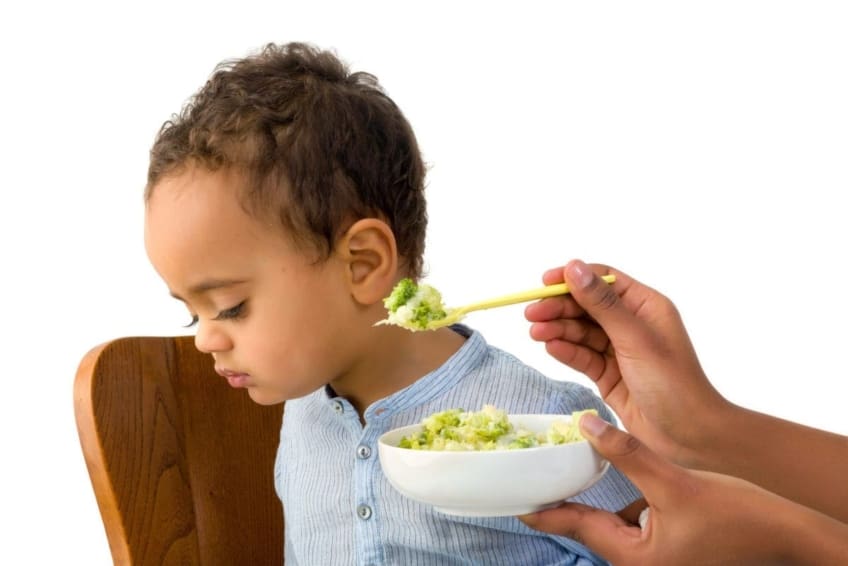
When it comes to eating habits, toddlers can be hard to predict. Some days they may not eat much. Other days it may seem they’re eating all day long. They may want one food every day for weeks, and then suddenly not like it. And how much your child eats may be different from how much another child eats. But don’t worry. Your toddler’s unpredictable eating habits are normal.
Picky eating is typical behavior for toddlers. This is one area of their lives where they have some control. By refusing to eat, your child is practicing his or her independence.
Here are some common reactions they can have to food.
- Refusing a food based on color or texture
- Choosing a few foods and eating nothing but those
- Being unwilling to try anything new
- Losing interest in a food they used to love
- Only wanting to feed themselves with a spoon or fork
Path to well being
You can’t force your child to eat. However, you can provide nutritious foods, demonstrate healthy eating habits, and set the stage for pleasant mealtimes. In general, toddlers need the following daily nutrients:
- 7 milligrams of iron
- 700 milligrams of calcium
- 600 IU of vitamin D
Healthy eating habits
- Serve the right amount. Offer your child 1 tablespoon of each food for each year of age. For example, if they are 3, serve 3 tablespoons of each food. Small portions give them the chance to ask for more.
- Be patient. Offer new foods many times. You may have to offer a food 10 to 15 times before your child will try it.
- Let your child help. Let them choose foods in the grocery store. Then find a way they can help prepare the meal or set the table. Participating in the different parts of mealtime may make them more likely to eat.
- Make things fun. Cut food into shapes with cookie cutters. Display the food in a creative way on your child’s plate. Have your child come up with special names for their favorite foods.
- Offer choices. Instead of serving a vegetable to your toddler, let them choose between two options. “Would you like broccoli or cauliflower for dinner?”
- Mix new with old. Serve new foods alongside favorites. This may make trying something new easier.
- Let them dip. Provide healthy dips to encourage your child to try new fruits or vegetables. These could include hummus, yogurt, or low-fat salad dressings.
- Be a good example. If your child sees you eating a variety of healthy foods, they will be more likely to try them.
Make a list of healthy foods your child likes so you can make sure they eat a balanced diet. The United States Department of Agriculture (USDA) website MyPlate.gov offers good information about nutrition for children and adults.
Pleasant mealtimes
- Give your child a heads up.Ten to 15 minutes before mealtime, tell your child it will be time to eat soon. Sometimes children are so tired or excited from play activities that they don’t want to eat. Telling them mealtime is coming will let them transition from playtime to mealtime.
- Establish a routine.Children like it when things are the same. Set regular mealtimes. Sit in the same place for every meal.
- Reserve mealtimes for eating and spending time with family. Don’t let your child play with toys or electronic devices at the table. Don’t let them read a book or watch TV, either. Explain to your child how good it is to eat together. Ask them to stay at the table until everyone is done eating. Everyone at the table needs to model the same behavior to avoid sending conflicting messages to your toddler.
- Make mealtimes pleasant. If mealtimes are pleasant, your child is more likely to look forward to eating. Try to avoid arguments or negative talk at the table.
- Manage your expectations. Don’t expect manners that are too difficult for your child. For example, don’t expect a 3-year-old child to eat with the proper utensil. For many children, a spoon is much easier to handle than a fork.
What about snacks?
Each day, your child should have 3 meals and 2 snacks. Toddlers usually don’t eat enough in one meal to remain full until the next meal. Offer your child small, healthy snacks between meals. Healthy snacks include:
- Low-fat string cheese
- Yogurt
- Apple slices or strawberry halves
- Slices of lean turkey
- Whole-grain crackers with peanut butter
Only offer a snack if the next meal is several hours away. If the meal will be within the next hour, skip the snack. If your child comes to the table hungry, they are more likely to eat.
If your child doesn’t eat at the meal, offer a nutritious snack a few hours later. If your child doesn’t eat the snack, offer food again at the next mealtime. A child will usually eat at the second meal. With this approach, you can help make sure your child won’t have problems with a poor diet.
Things to consider
There are many things you can do to encourage your child to eat. But there are things you should not do, as well.
- Don’t force your child to clean their plate. Once they are no longer hungry, your child should be allowed to stop eating. Making them eat when they’re not hungry can interfere with their natural cues that tell them when they’ve full. Allowing them to choose when to stop eating teaches them how to listen to their bodies and make healthy food choices.
- Don’t negotiate with or bribe your child.Threats, punishments, and rewards aren’t good ideas, either. They can lead to power struggles. Avoid making deals. For example, don’t tell them if they eat 3 more bites, they can have dessert. This teaches them to make deals to get rewards for other things. In addition, making dessert a reward gives it higher value in the child’s mind. This can lead to unhealthy attitudes toward sweets.
If you’re concerned your toddler is refusing to eat, don’t let it show. They may be seeking attention, and your disapproval fills that need. That may lead to the same thing happening over and over.
Talk to your doctor if you have concerns about how your child is growing or if you’re concerned that picky eating is slowing your child’s growth.
Questions for your doctor
- How much should my toddler eat each day?
- Are there certain foods I should try to have them eat every day?
- Should I be concerned if my child doesn’t eat much for several days in a row?
- Should I give my child supplements like protein drinks to make sure he or she is getting enough nutrients?
- When will my toddler outgrow this kind of pickiness?
Last Updated:
This article was contributed by familydoctor.org editorial staff.


Copyright © American Academy of Family Physicians
This information provides a general overview and may not apply to everyone. Talk to your family doctor to find out if this information applies to you and to get more information on this subject.