

Your body’s cells face threats every day. Viruses and infections attack them. Free radicals also can damage your cells and DNA. Some cells can heal from the damage, while others cannot. Scientists believe molecules called free radicals can contribute to the aging process. They also may play a part in certain health conditions, like cancer, diabetes, and heart disease.
Antioxidants are substances that help stop or limit damage caused by free radicals. Your body uses antioxidants to balance free radicals. This keeps them from causing damage to other cells. Antioxidants can protect and reverse some of the damage. They also boost your immunity.
Path to improved health
Free radicals are natural or man-made elements. They can be:
- Chemicals your body produces by turning food into energy.
- Environmental toxins, like tobacco, alcohol, and pollution.
- Ultraviolet rays from the sun or tanning beds.
- Substances found in processed food.
There are things you can do to help fight free radicals and reduce the damage they cause. You can stop smoking, get sun exposure safely, and eat healthy. Antioxidants may also help. Your body produces some antioxidants. The best way to get additional antioxidants is through certain foods and vitamins. Common antioxidants include:
- Vitamin A
- Vitamin C
- Vitamin E
- Beta-carotene
- Lycopene
- Lutein
- Selenium
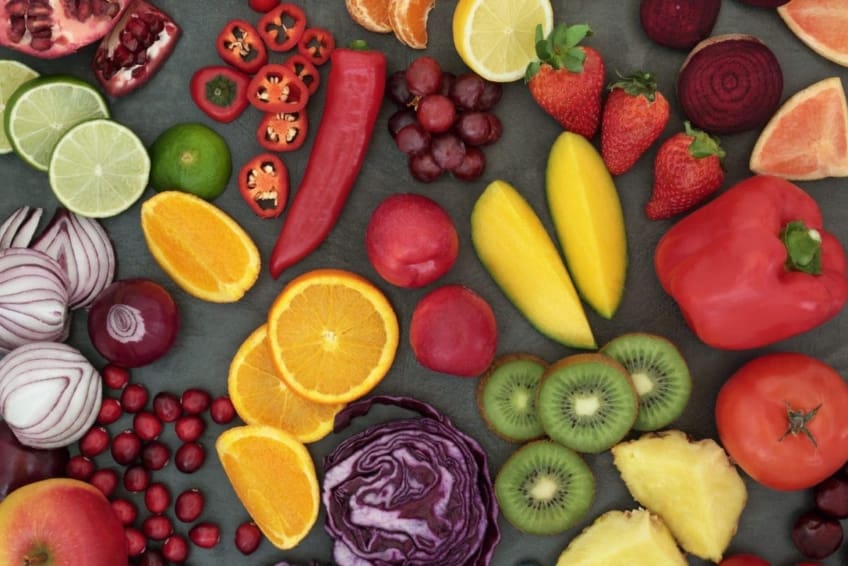
You can get most of these antioxidants by eating a healthy diet. This includes a mix of colorful fruits and vegetables. Whole grains, seeds, and nuts also provide good nutrients.
- Vitamin A is in milk, butter, eggs, and liver.
- Vitamin C is in most fruits and vegetables. Fruits such as berries, oranges, kiwis, cantaloupes, and papayas provide essential antioxidants. Vegetables such as broccoli, bell peppers, tomatoes, cauliflower, Brussels sprouts, and kale are also great choices.
- Vitamin E is in some nuts and seeds. For example, almonds, sunflower seeds, hazelnuts, and peanuts contain vitamin E. It can also be found in green leafy vegetables, such as spinach and kale, as well as soybean, sunflower, corn, and canola oils.
- Beta-carotene is in brightly colored fruits and vegetables. Eat fruits such as peaches, apricots, papayas, mangoes, and cantaloupes. Eat vegetables such as carrots, peas, broccoli, squash, and sweet potatoes. It also is in some green leafy vegetables, such as beet greens, spinach, and kale.
- Lycopene is in many pink and red fruits and vegetables. This includes pink grapefruits, watermelon, apricots, and tomatoes.
- Lutein is in green leafy vegetables such as spinach, collard greens, and kale. You also can find it in broccoli, corn, peas, papayas, and oranges.
- Selenium is in pasta, bread, and grains, including corn, wheat, and rice. You can find it in animal products, like beef, fish, turkey, and chicken. You also can find it in many nuts, legumes, eggs, and cheeses.
Each antioxidant has a different chemical makeup. Each one provides different health benefits. Too much of one antioxidant can be harmful. Talk to your doctor before changing your diet or taking supplements.
Things to consider
Doctors recommend eating a balanced diet that include fresh fruits and vegetables. A lot of produce has natural antioxidants. It also contains important minerals, fiber, and other vitamins. Eating healthy can help lower your risk of certain diseases. However, antioxidants alone do not prevent chronic conditions.
Some people choose to take antioxidant supplements. However, many are not balanced. They are also not approved or regulated by the U.S. Food and Drug Administration (FDA). This means that the ingredients and suggested dose listed on the bottle may not be correct.
Your body responds to antioxidants in different ways. Some can cause health risks or negative effects on your health. For instance, people who smoke are in danger of getting lung cancer. Taking high doses of beta-carotene can increase your risk of this disease. Antioxidants also can interact with some medicines.
Talk to your doctor before taking high doses of antioxidants. They can help you determine what, if any, supplements are right for you.
Questions to ask your doctor
- What other antioxidants can I find in food?
- How many antioxidants should I try to consume every day?
- How do I know what types of antioxidants are good for me?
- Should I take antioxidant supplements if I’m a smoker?
- Should I take antioxidant supplements if I already have cancer?
Resources
National Cancer Institute: Antioxidants and Cancer Prevention
Last Updated:
This article was contributed by familydoctor.org editorial staff.


Copyright © American Academy of Family Physicians
This information provides a general overview and may not apply to everyone. Talk to your family doctor to find out if this information applies to you and to get more information on this subject.