




Related Topics
What is diabetes?
Diabetes is a disease that occurs when your body doesn’t make or use insulin properly. Insulin is a hormone. It causes too much blood glucose (sugar) to build up in the blood. There are 2 main types of diabetes.
Type 1 diabetes occurs when your body doesn’t produce any insulin. It’s sometimes called juvenile diabetes because it’s usually discovered in children and teenagers, but it may appear in adults, too.
Type 2 diabetes occurs when your body doesn’t produce enough insulin or doesn’t use the insulin as it should. In the past, doctors thought only adults were at risk of developing type 2 diabetes. However, an increasing number of children in the United States are now being diagnosed with the disease. Doctors think this increase is mostly because more children are overweight or have obesity and are less physically active.
Prediabetes occurs when blood sugar levels are higher than they should be, but not high enough to officially be diagnosed as diabetes. Pre-diabetes greatly increases the risk of developing type 2 diabetes. The good news is that, if you have prediabetes, you can prevent or delay the onset of full-blown type 2 diabetes by making lifestyle changes. These include eating a healthy diet, reaching and maintaining a healthy weight, and exercising regularly.
Symptoms of diabetes
Symptoms vary from person to person. The early stages of diabetes have very few symptoms. You may not know you have the disease. But damage may already be happening to your eyes, your kidneys, and your cardiovascular system. Common symptoms include:
- Extreme hunger
- Extreme thirst
- Frequent urination
- Unexplained weight loss
- Fatigue or drowsiness
- Blurry vision
- Slow-healing wounds, sores, or bruises
- Dry, itchy skin
- Tingling or numbness in the hands or feet
- Frequent or recurring skin, gum, bladder, or vaginal yeast infections
People who have type 2 diabetes also may show signs of insulin resistance. This includes darkening skin around the neck or in the armpits, high blood pressure, cholesterol problems, yeast infections, and skipped or absent periods in teen girls and women.
If blood sugars are extremely high, people can develop diabetic ketoacidosis (DKA). This is a very dangerous complication of uncontrolled diabetes. People with DKA might have:
- Nausea or vomiting more than once
- Deeper, faster breathing
- The smell of nail polish remover coming from your breath
- Weakness, drowsiness, trembling, confusion, or dizziness
- Uncoordinated muscle movement
If diabetes is left untreated, your blood sugar levels become too high. When this happens, symptoms may include shortness of breath, pain in the abdomen, vomiting, dehydration, and even coma and death.
What causes diabetes?
Type 1
In type 1 diabetes, your body doesn’t make insulin. This is because the immune system attacks and destroys the cells in the pancreas that make the insulin. Doctors aren’t sure why this happens. You have a greater risk of type 1 diabetes if one of your parents or one of your siblings has it.
Type 2
When you eat, your body changes most of the food you digest into glucose (a form of sugar). A hormone called insulin allows this glucose to enter all the cells of your body. There it is used for energy. Insulin is produced by the pancreas. In someone who has type 2 diabetes, the pancreas doesn’t make enough insulin or the body’s cells can’t use insulin properly (called insulin resistance). This causes glucose to build up in your blood instead of moving into the cells. Too much glucose in the blood can lead to serious health problems that damage the blood vessels, nerves, heart, eyes, and kidneys.
Certain risk factors for type 2 diabetes include:
- Obesity is the single most important risk factor for type 2 diabetes. The more overweight you are, the more resistant your body is to insulin. To figure out if you’re overweight, talk to your doctor. A healthy, low-fat diet and regular exercise can help you lose weight gradually and keep it off.
- The risk for type 2 diabetes increases with age, especially after you’re 45 years old. Although you can’t change your age, you can work on other risk factors to reduce your risk.
- Family history.You can’t change your family history, but it’s still important for you and your doctor to know if diabetes runs in your family. Your risk for diabetes is higher if your mother, father, or sibling has diabetes. Tell your doctor if anyone in your family has diabetes.
- Gestational diabetes is a kind of diabetes that happens only during pregnancy. Although gestational diabetes goes away after pregnancy, about half of women who had gestational diabetes are diagnosed with type 2 diabetes within 15 years. Even if they don’t have gestational diabetes, women who give birth to babies who weigh 9 pounds, or more are more likely to develop type 2 diabetes later in life. The American Academy of Family Physicians (AAFP) recommends screening for gestational diabetes in pregnant women after the 24th week of pregnancy. The AAFP believes there is not enough evidence to determine the benefit and harm of screening for gestational diabetes in pregnant women before the 24th week of pregnancy.
- Polycystic ovary syndrome (PCOS).This is a condition that occurs when an imbalance of hormone levels in a woman’s body causes cysts to form on the ovaries. Women who have PCOS are at an increased risk of developing type 2 diabetes.
- Smoking and alcohol.Alcohol and tobacco use may increase your risk of type 2 diabetes. Stop smoking as soon as possible. It’s probably okay to drink some alcohol with a meal, but you should only have 1 serving each day. Less is even better. A serving is 4 ounces of wine, 12 ounces of beer, or 1.5 ounces of hard liquor.
The risk of developing type 2 diabetes increases with the number of risk factors you have. If you have 2 or more risk factors, talk to your doctor about how to delay or prevent type 2 diabetes.
How is diabetes diagnosed?
After examining you, discussing your symptoms, and going over your health history, your doctor may test for diabetes if they suspect you’re at risk. To check for diabetes, your doctor may request the following tests:
- Fasting blood sugar test.This test is usually done in the morning, after an 8-hour fast (not eating or drinking anything except water for 8 hours before the test). The blood test involves inserting a small needle into a vein in your arm to withdraw blood. That blood will be sent to a lab for testing. If your blood sugar level is 126 milligrams per deciliter (mg/dL) or higher, your doctor will probably want to repeat the test. A blood sugar level of 126 milligrams per deciliter (mg/dL) or higher on 2 occasions indicates diabetes. A blood sugar level of 100 mg per dL to 125 mg per dL suggest you have prediabetes. A blood sugar level of less than 99 mg per dL is normal.
- Oral glucose tolerance test.During this test, you will drink a beverage containing 75 grams of glucose dissolved in water. This tastes like sweet water. Two hours later, a doctor or nurse will measure the amount of glucose in your blood. A blood sugar level of 200 mg/dL or higher indicates diabetes.
- Random blood sugar test. This test measures the level of glucose in your blood at any time of day. It doesn’t matter when you last ate. Combined with symptoms of diabetes, a blood glucose level of 200 mg/dL or higher indicates diabetes.
- A1C blood test.This test provides information about a person’s average levels of blood glucose over the previous 3 months. The results are reported as a percentage. A normal A1C level is below 5.7%. If your A1C is higher than that, it means your blood sugar has been higher than normal during that three-month period. A test result between 5.7% and 6.4% indicates prediabetes. A result of 6.5% or above indicates diabetes.
The AAFP recommends screening adults for type 2 diabetes as part of a heart risk assessment for people between the ages of 40 and 70 years who are overweight or have obesity. Doctors are encouraged to offer or refer patients with abnormal blood glucose levels to behavioral counseling to promote a healthy diet and physical activity.
Can diabetes be prevented or avoided?
Talk to your doctor about your risk factors for diabetes. Although you may not be able to change all of them, you can make changes to significantly lower your risk.
- Exercise and weight control.Exercising and maintaining a healthy weight can reduce your risk of diabetes. Any amount of activity is better than none. Try to exercise for 30 to 60 minutes most days of the week. Always talk with your doctor before starting an exercise program.
- A diet high in fat, calories, and cholesterol increases your risk of diabetes. A poor diet can lead to obesity (another risk factor for diabetes) and other health problems. A healthy diet is high in fiber and low in fat, cholesterol, salt, and sugar. Also, remember to watch your portion size. How much you eat is just as important as what you eat.
- Stop smoking. The science says it all. Smoking can increase your risk for diabetes. Stopping will help not only help your fight in diabetes but will reduce your risk of other chronic disease as well, including cancer.
- Reduce your alcohol. If you currently drink one drink a night, try to stretch it out to one drink every three days or even once a week.
Diabetes treatment
The single most important thing you can do is control your blood sugar level. You can do this by eating right, exercising, maintaining a healthy weight, and, if needed, taking oral medicines or insulin.
- Your diet should include lots of complex carbohydrates (such as whole grains), fruits, and vegetables. It’s important to eat at least 3 meals per day and never skip a meal. Eat at about the same time every day. This helps keep your insulin or medicine and sugar levels steady. Avoid empty calories, such as foods high in sugar and fat, or alcohol.
- Exercising helps your body use insulin and lower your blood sugar level. It also helps control your weight, gives you more energy, and is good for your overall health. Exercise also is good for your heart, your cholesterol levels, your blood pressure, and your weight. These are all factors that can affect your risk of heart attack and stroke. Talk with your doctor about starting an exercise program.
- Maintain a healthy weight.Losing excess weight and maintaining a healthy body weight will help you in 2 ways. First, it helps insulin work better in your body. Second, it will lower your blood pressure and decrease your risk for heart disease. Even a 10% reduction in weight can lower your blood sugar levels.
- Take your medicine. If your diabetes can’t be controlled with diet, exercise, and weight control, your doctor may recommend medicine or insulin. Most people who have type 2 diabetes start with an oral medicine (taken by mouth). The most common oral medicine is Metformin. Your doctor will determine your dose after looking at your A1C. Some people experience short or long-term stomach upset and diarrhea with Metformin. If it’s bad enough, talk to your doctor about another oral medicine. There are other oral medicines that can make your body produce more insulin. They also help your body use the insulin it makes more efficiently. Some people need to add insulin to their bodies with insulin injections, insulin pens, or insulin pumps. Always take medicines exactly as your doctor prescribes. Some oral medicines don’t work for everyone. And some have other side effects, including weight gain. It isn’t effective in the treatment of type 1 diabetes. Insulin therapyis necessary for all people who have type 1 diabetes and for some people who have type 2 diabetes. If you need insulin, you’ll have to give yourself a shot (either with a syringe or with an insulin pen). Your doctor will tell you which kind of medicine you should take and why. The newest prescription medicines for type 2 diabetes come in the form of “injectables.” These include brand names such as Ozempic and Mounjaro. The benefits of these medicines include not having to take medicine daily and weight loss. The most common side effects include nausea, vomiting, diarrhea, and headache. Another injectable, known by the brand name Wegovy is not FDA approved for the treatment of type 2 diabetes. But some prescribe it for weight loss, which can contribute to a reduction in blood sugar.
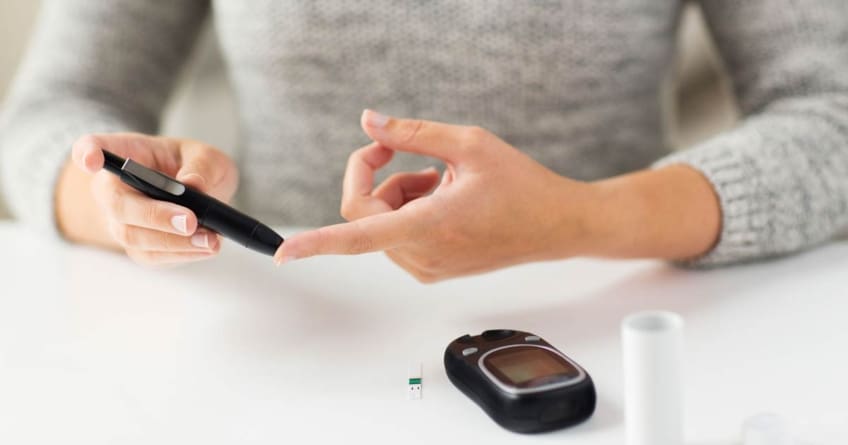
Your doctor will test your blood sugar every 3 months with an A1C test. Your doctor may ask you to test your blood sugar on your own throughout the day if you are taking insulin or they are adjusting your medication. You will need to use a blood glucose monitor to check it on your own. This involves pricking your finger for blood and putting a test strip in the blood. Putting the test strip in the monitor gets the results. Continuous glucose monitors (CGM) are also an option to help people with diabetes measure their blood glucose around the clock
If your blood sugar gets too low, you might feel tired, experience problems with muscle coordination, sweat, have difficulty thinking or speaking clearly, twitch, feel like you’re going to faint, become pale, lose consciousness, or have a seizure. At the earliest sign of any of these symptoms, eat or drink something that will raise your blood sugar fast. This could include candy, juice, milk, or raisins. If you don’t feel better in 15 minutes or if monitoring shows that your blood sugar level is still too low, eat or drink another item to raise your blood sugar fast. Always keep a supply of these items on hand for emergencies.
You may not know if your blood sugar is too high unless you test it yourself. However, you may experience common symptoms such as frequent urination, extreme thirst, blurry vision, and feeling tired. Some factors unrelated to food can make your blood sugar high. This includes not taking your insulin correctly, overeating at a meal, illness, having hormonal changes, and stress.
If your blood sugar level is too high and you take insulin, you may need to take an extra dose of rapid- or short-acting insulin to return to normal. Your doctor can tell you how much insulin you need to take to lower your blood sugar level.
Living with diabetes
You can live a normal life with well-controlled diabetes. However, you must pay close and regular attention to your diet, weight, exercise, and medicine. If you don’t control your diabetes, you will have too much glucose in your blood. This can lead to serious health problems, including heart disease and damage to the nerves and kidneys. These are known as diabetic complications. Complications include:
- Diabetic neuropathy(nerve damage). This makes it hard for your nerves to send messages to your brain and other parts of the body. You may lose feeling in parts of your body or have a painful, tingling, or burning feeling. Neuropathy most often affects the feet and legs. If you have neuropathy, you may not be able to feel a sore on your foot. The sore can become infected. In serious cases, the foot may have to be amputated (removed). People who have neuropathy may continue walking on a foot that has damaged joints or bones. This can lead to a condition called Charcot foot. Charcot foot causes swelling and instability in the injured foot. It can also cause the foot to become deformed. However, this problem can often be avoided. Check your feet every day. See your doctor immediately if you see swelling, redness, and feel warmth in your foot. These can be signs of Charcot foot. Your doctor should check your feet frequently, too. Neuropathy also can cause erectile dysfunction in men and vaginal dryness in women.
- Diabetic retinopathy(eye problems). This affects the part of your eye called the retina. It’s the part of the eye that is sensitive to light and sends messages to your brain about what you see. Diabetes can damage and weaken the small blood vessels in the retina. When the blood vessels of your retina are damaged, fluid can leak from them and cause swelling in your macula. The macula is the part of the retina that gives you sharp, clear vision. Swelling and fluid can cause blurry vision. This makes it hard for you to see. If retinopathy gets worse, it may lead to blindness. Laser surgery can often be used to treat or slow down retinopathy if found early. People who have diabetes should have an eye exam once a year. See your doctor if you have blurry vision for more than 2 days, sudden loss of vision in 1 or both eyes, black or moving gray spots often called “floaters,” flashing lights, or pain or pressure in your eyes.
- Diabetic nephropathy(kidney damage). This is damage to the blood vessels in your kidneys. This means your kidneys have trouble filtering out waste. Some people who have nephropathy will eventually need dialysis (a machine treatment that eliminates waste from the blood) or a kidney transplant. The risk for nephropathy is increased if you have both diabetes and high blood pressure, so it’s important to control both conditions. Protein in the urine is usually the first sign of nephropathy. This should be checked yearly.
- Heart disease and stroke. People who have diabetes are at greater risk for heart diseaseand stroke. The risk is even greater for people who have diabetes and smoke, have high blood pressure, have a family history of heart disease, or are overweight. Heart disease is easiest to treat when it’s caught early. It’s very important to see your doctor on a regular basis. They can test for early signs of heart disease. This includes checking cholesterol levels. If your cholesterol is higher than the recommended level, your doctor will talk to you about lifestyle changes and medicine to help get your cholesterol under control.
The longer your diabetes is uncontrolled, the more damage you do to your health. That’s why treatment is important at any age. Keeping blood sugar levels very close to the ideal can minimize, delay, and in some cases even prevent the problems that diabetes can cause.
Questions to ask your doctor
- How did I get diabetes?
- If I have diabetes, will my children develop it, too?
- Will I need to take insulin?
- If I don’t have a family history of diabetes, can I still get it?
- Can your diabetes get worse even if you do everything right?
- Can I prevent gestational diabetes?
- If I had gestational diabetes while pregnant, will I get type 2 diabetes later?
- Will the babies of a mom with gestational diabetes develop diabetes?
- How can I tell the difference between Charcot foot and gout in my foot?
Resources
National Institute of Diabetes and Digestive and Kidney Diseases: Diabetes

Copyright © American Academy of Family Physicians
This information provides a general overview and may not apply to everyone. Talk to your family doctor to find out if this information applies to you and to get more information on this subject.