




What is coronary heart disease?
Coronary heart disease (CHD) is the most common type of heart disease. It is also called coronary artery disease (CAD). However, CAD affects the larger coronary arteries on the surface of the heart. CHD is plaque buildup in your arteries. It’s known as hardening of the arteries, too. Arteries carry blood and oxygen to your heart. Heart disease is a leading cause of death in the United States for men and women.
Symptoms of coronary heart disease
CHD doesn’t always have symptoms. This is true in the early stages of the disease. Symptoms can vary in men and women.
Primary symptoms include:
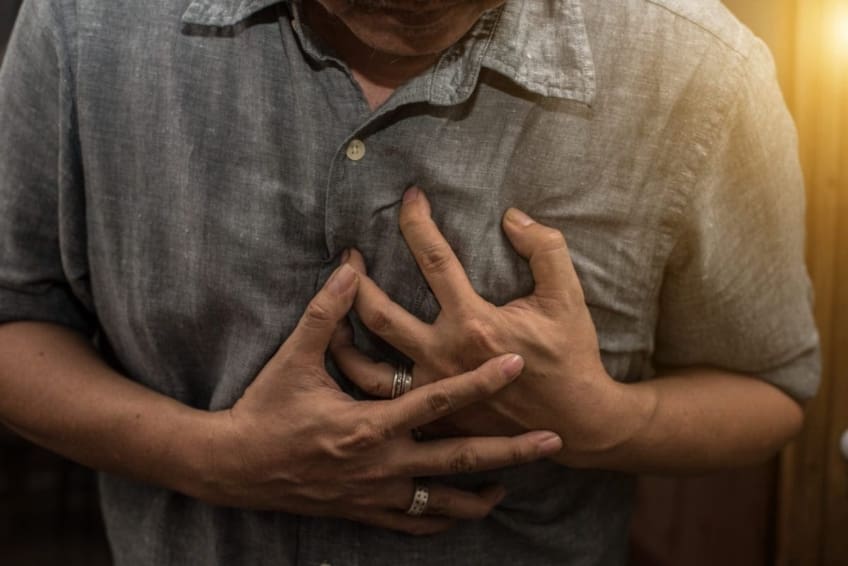
- Chest pain or discomfort. This is known as angina. This happens when your heart lacks blood or oxygen. Angina can be stable or unstable. Activity or stress causes stable angina. Unstable angina is more dangerous. It can happen without warning. Symptoms of unstable angina include chest pain, tightness, or heaviness. People describe it as a squeezing feeling. The pain can spread to your arms, neck, stomach, back, or jaw, so don’t ignore pain in these areas.
- Shortness of breath. Also, you might feel tired or weak. Talk to your doctor about what to look for to help prevent and detect CHD.
Call 911 right away if you have those or any of the following abrupt symptoms. You might be having a heart attack or heart failure.
- Ongoing angina or chest pain that changes
- Dizziness
- Nausea or vomiting
- Sweating (with fever or chills)
- Swelling in your legs, ankles, feet, stomach, or the veins in your neck
- Numbness, particularly in your arms or chest
What causes coronary heart disease?
Coronary heart disease develops over time. It occurs as your arteries become blocked from plaque (fatty substances). This makes it hard for blood and oxygen to reach your heart. It puts stress on your heart, blood vessels, and body. If the plaque bursts, it can form a blood clot. A blood clot can produce a heart attack. If your brain lacks oxygen, you can have a stroke.
How is coronary heart disease diagnosed?
Your doctor can determine your risks for CHD. They may check your cholesterol levels and blood pressure. Your doctor also will want to know about your lifestyle and family history.
Currently, the American Academy of Family Physicians (AAFP) recommends against electrocardiogram (ECG) screening for adults without symptoms and who are at low risk for CHD. The AAFP does not have enough data to recommend ECG screening for adults who don’t have symptoms but are at medium or high risk for CHD. In general, the greater the number of risk factors a person has, the more likely it is that the person will benefit from screening.
If you have symptoms, though, see your doctor. They will perform certain tests to diagnose CHD, including:
- Electrocardiogram (ECG or EKG). This measures the rhythm, speed, and evenness of your heartbeat.
- Echocardiogram (echo). This produces an image of your heart using ultrasound.
- Chest X-ray. This produces an image of your heart and chest area using radiation.
- Exercise stress test. This checks your heart rate during activity.
- Coronary angiogram. This checks your arteries for flow and blockage. This test uses injected dye to take X-rays and monitor blood flow.
- Cardiac catheterization. This checks your arteries for flow and blockage. A catheter (thin tube) goes into your arteries from your groin, arm, or neck.
- Cardiac CT or MRI scan. This produces an image of your heart and arteries. This test uses radiation and contrast dye.
Can coronary heart disease be prevented or avoided?
There are risk factors that increase your chance of getting CHD. Some of them you can prevent, including:
- Obesity or being overweight. Your doctor can help you calculate your body mass index (BMI). You should balance the numbrer of calories you consume and burn.
- Lack of exercise. Adults should get at least 150 minutes of moderate exercise each week. This includes fast walking, bicycling, or swimming. Increase this number if you need to lose weight. Children and teens should get at least 60 minutes of exercise every day.
- Poor diet. This plays a role in your body weight, cholesterol levels, and overall health. Learn how many calories you should consume in a day. Then, make it a point to eat foods high in nutrition. This includes fruits, vegetables, whole grains, low-fat dairy, poultry, and fish. Limit your intake of fats, sodium (salt), sugar, and red meat.
- Smoking and alcohol. These unhealthy habits affect your oxygen level. They can damage your blood vessels and tighten your airways. Women should have no more than one drink per day. Men should have no more than two drinks per day. Talk to your doctor if you need help quitting alcohol or smoking.
Other CHD risk factors that you can manage or treat include:
- High cholesterol. Cholesterol is one substance that creates plaque. There are two types of cholesterol. Low-density lipoprotein (LDL) is bad. High-density lipoprotein (HDL) is good. You should have low LDL and high HDL levels. You can help control these levels with medicine and a healthy lifestyle.
- High blood pressure. For most people, your blood pressure is high when it is at or above 130/80. Age and certain health conditions can affect normal blood pressure levels. You can help control your blood pressure with medicine. A healthy lifestyle and reduced stress also help.
- Certain health conditions.This includes conditions such as diabetes or preeclampsia.
Major risk factors that you can’t avoid include:
- Plaque. Plaque continues to build as you get older. The risk of CHD increases for men starting at age 45. It increases for women starting at age 55.
- Gender and race. Men are at higher risk than women. African Americans can be more likely to get CHD than other races.
- Family history
Ask your doctor for specific recommendations. They vary by person.
Coronary heart disease treatment
Treatment depends on age, health, degree of CHD, and other conditions. Mild or early cases of CHD may just need monitoring. Less invasive treatment options include:
- Medicine to relieve symptoms and reduce risk factors
- Eating healthy
- Losing weight
- Increased activity
- Stopping smoking
- Reducing stress
Surgical treatments include:
- Coronary artery bypass: Your surgeon will redirect the path to your heart. It will go around the blocked or narrowed areas. The new path will allow blood and oxygen to get through.
- Percutaneous coronary intervention (PCI): Your surgeon will insert and inflate a tiny balloon to fix your vessels. It will push back the plaque to allow blood and oxygen to pass through. They also might replace a part of your vessel. They can use tissue from another part of your body or a stent. This is a small tube-shaped medical device. It provides support to keep your arteries open.
There are different approaches for heart surgery. Minimally invasive involves small cuts in your chest, between your ribs. Open-heart requires a large cut in your chest to open your rib cage. Surgery can be done off-pump. This is where your heart beats on its own. Or, your surgeon can use a heart-lung bypass machine to pump for your heart.
Another type is cardiac rehabilitation. Your doctor can prescribe this instead of or in addition to surgery. Cardiac rehab focuses on education and exercise. It includes counseling to help you handle stress or emotions.
Living with coronary heart disease
Finding coronary heart disease early can prevent it from getting worse. If left untreated, you could have a heart attack or get arrhythmias (irregular heartbeats). CHD can lead to death. Proper diagnosis and treatment allows you to correct it with lifestyle changes and manage it with medicine or surgery. Surgery has various recovery timeframes.
Talk to your doctor about your specific outcomes and goals. You likely will need ongoing doctor visits and tests. CHD does increase your risk for a heart attack. Make sure you know the warning signs and when to call 911.
Questions to ask your doctor
- How severe is my CHD?
- What can I do to prevent my disease from getting worse?
- What tests can I take to check for CHD?
- How do I know if I’m having a heart attack or stroke?
- If I’ve had one heart attack, am I at risk for a second one?
Resources
American Academy of Family Physicians, Clinical Recommendation for Coronary Heart Disease
Centers for Disease Control and Prevention: Prevent Heart Disease
National Heart, Lung and Blood Institute: Coronary Heart Disease
National Institutes of Health, MedlinePlus: Coronary heart disease

Copyright © American Academy of Family Physicians
This information provides a general overview and may not apply to everyone. Talk to your family doctor to find out if this information applies to you and to get more information on this subject.