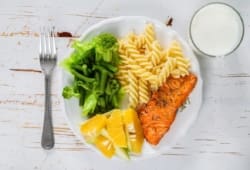


September is National Cholesterol Education Month. Cholesterol is a waxy substance that your body uses to protect nerves, make cell tissues, and produce certain hormones. Most of the cholesterol your body needs is made by your liver. Some cholesterol also comes from foods you eat. Too much cholesterol in your blood can increase your risk of heart disease and stroke. But did you know there is “good” cholesterol (HDL) and “bad” cholesterol (LDL)? A healthy diet and exercise can raise levels of HDL and lower levels of LDL. Visit the following Web sites to learn more about cholesterol, how it affects your health and how you can manage your cholesterol levels.
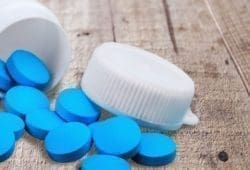
Cholesterol: What your level means: familydoctor.org – Visit familydoctor.org to learn more about cholesterol. Understand the difference between "good" cholesterol and "bad" cholesterol, and learn how your lifestyle and diet may affect your cholesterol levels. Read Healthy Balance for a Healthy Heart for tips on nutrition and exercise, which can help lower your risk of heart disease and stroke. When diet and exercise aren't enough, your family doctor may prescribe medicine to help you manage your cholesterol levels. Read Cholesterol-lowering Medicines to learn more about how these drugs work.
http://www.americanheart.org/presenter.jhtml?identifier=1516: The American Heart Association (AHA) – The AHA Web site offers a lot of useful information about cholesterol to help you take better care of your heart. The American Heart Association also sponsors the Cholesterol Low down Web site (http://www.cholesterollowdown.org/). This free cholesterol awareness program guides you, step-by-step, through the process of achieving, reaching and maintaining your target cholesterol levels. On this site, you can find surveys and quizzes or sign up to receive a free newsletter with information about cholesterol, as well as low-cholesterol recipes.
http://www.hsph.harvard.edu/nutritionsource/fats.html: Harvard School of Public Health – How does cholesterol relate to dietary fats? This Web site discusses and explains the connection between cholesterol and the fats in the foods you eat. It describes the difference between "good" and "bad" cholesterols, what foods contain them, and provides tips on a healthy diet. This site also discusses the connection between fat and cholesterol with heart disease and cancer.
http://www.mayoclinic.com/health/cholesterol/CL99999: Mayo Clinic – Your arteries (blood vessels) carry blood from the heart to the rest of the body. Too much cholesterol gradually builds up and clogs your arteries, slowing down the blood flow in your body. If an artery that supplies blood to your heart becomes blocked, you could have a heart a attack. If an artery that supplies blood to your brain becomes blocked, you could have a stroke. Visit the Mayo Clinic Web site to learn how to manage your cholesterol levels, and lower your risk of heart disease and stroke.
http://www.nhlbi.nih.gov/chd/: The National Heart, Lung, and Blood Institute (NHLBI) – The NHLBI launched the National Cholesterol Education Program (NCEP) in November 1985. The goal of the NCEP is to reduce illness and death from heart disease by reducing the number of Americans with high blood cholesterol. This site includes a wealth of information and resources about cholesterol and preventing heart disease.
Web Reviews