
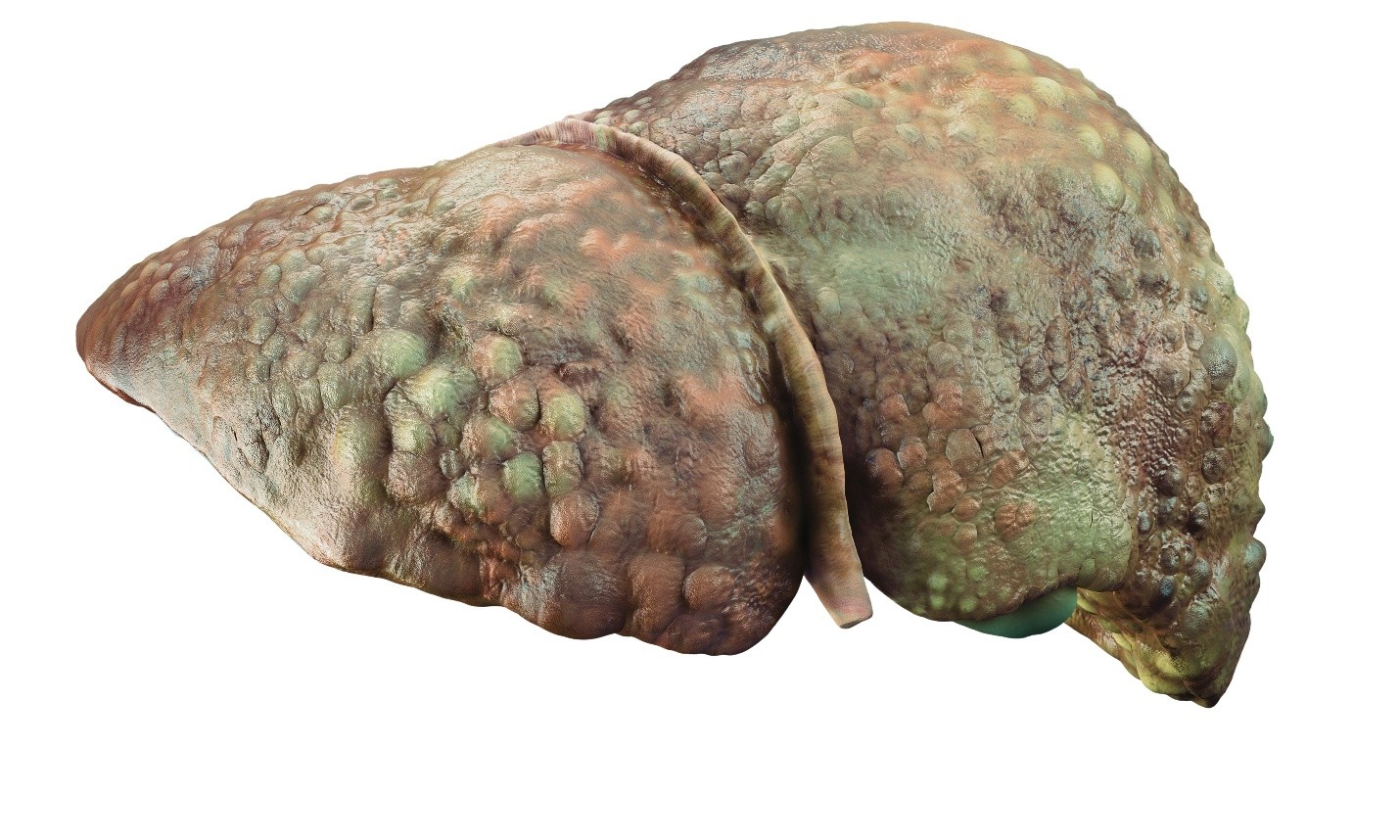
Cirrhosis and Portal Hypertension
Cirrhosis is scarring of the liver that can block normal blood flow. This can cause portal hypertension, which means increased blood pressure in the vein that carries blood to the liver.
 Leisa Bailey, MD
What is cirrhosis and portal hypertension?
Cirrhosis is a type of liver disease that happens when healthy liver cells are damaged and replaced by scar tissue. This scar tissue makes it harder for blood to flow through the liver. Over time, the buildup of scar tissue prevents the liver from working properly. A healthy liver filters wastes and toxins out of the blood, but with cirrhosis, those toxins can build up in the body.

Visit Our Interactive Symptom Checker
Choose a symptom and answer simple questions using our physician-reviewed Symptom Checker to find more information on your health issue.
One of the main complications of cirrhosis is portal hypertension. The portal vein is a large blood vessel that carries blood from your stomach, intestines, and spleen to your liver. When cirrhosis slows down blood flow, it raises pressure in the portal vein. This is called portal hypertension, or high blood pressure in the vein leading to the liver.
Portal hypertension can cause problems such as swollen veins in the esophagus or stomach (varices), fluid buildup in the belly (ascites), and a higher risk of bleeding.
Symptoms of cirrhosis and portal hypertension
Cirrhosis is a condition that happens over time. You may not have any symptoms in the early stages. Contact your doctor if you begin to notice the following symptoms or signs:
- Loss of appetite
- Unplanned weight loss
- Weakness and fatigue
- Nausea
- Jaundice (yellowing of your skin and eyes)
- Dark brown urine
- Red palms
- Vomiting blood
- Menstrual problems (in women)
- Mental confusion, such as a hard time focusing or remembering
- Itchy skin
- Swelling or bloating in your abdomen, due to fluids collecting
What causes cirrhosis and portal hypertension?
There are three main causes of cirrhosis.
- Fatty liver disease occurs when too much fat builds up in your liver. People who are overweight or have obesity are more at risk for this disease. People with diabetes, high cholesterol, or high blood pressure also are at risk.
- Alcohol-related liver disease, drinking too much alcohol can lead to cirrhosis. This includes long-term alcohol use and frequent binge drinking.
- Hepatitis B and C are viral infections you can contract.
Minor causes of cirrhosis include:
- Certain genetic diseases, such as Wilson disease or autoimmune hepatitis
- Continued exposure to toxic chemicals
- Infections caused by parasites
- Continued use of certain medicines
- Certain congenital heart defects or chronic heart failure
How is cirrhosis and portal hypertension diagnosed?
To diagnose cirrhosis, your doctor will begin with a physical exam. They also will review your symptoms, health history, and lifestyle. Tests are needed to check your liver and confirm diagnosis. These include blood and imaging tests. Blood tests can detect hepatitis, abnormal enzyme levels, or abnormal blood cells. Imaging tests take pictures of your liver. In some cases, your doctor may do a biopsy on your liver. This involves taking a sample of liver tissue to look at it in the lab.
If you have cirrhosis, your doctor will likely check for portal hypertension. They will check your abdomen for extra fluid (ascites). Your doctor will check for swelling or pressure in the blood vessels around your portal vein. They may perform other tests to diagnose portal hypertension. Your doctor also may do an endoscopy (using a lighted camera scope to look at your digestive system).
Can cirrhosis and portal hypertension be prevented or avoided?
Some people can make lifestyle changes to help prevent cirrhosis. These include drinking safe amounts of alcohol, maintaining a healthy diet, and protecting yourself from hepatitis. If you’re overweight or have obesity, talk to your doctor about how to safely lose weight.
Cirrhosis and portal hypertension treatment
The goal for cirrhosis treatment is to relieve symptoms and prevent further damage. Treatment also can avoid or manage complications caused by cirrhosis. With this condition, blood can’t flow normally through the portal vein. The blood has to return to your heart through other blood vessels. Most often it goes through blood vessels in your stomach, esophagus, or intestines. These vessels then swell due to the increased amount of blood flowing through them. This puts pressure on the vessels and can cause them to burst. Bleeding from a broken blood vessel is serious and can be fatal.
Your doctor may prescribe medicine to help prevent your blood vessels from bursting. These medicines have some side effects and may interact with other medicines. They’re not suitable for everyone. Your doctor may prescribe medicine to lower your blood pressure if you have portal hypertension. If you have hepatitis, your doctor will prescribe an antiviral medicine. You may need other medicines, depending on the cause of cirrhosis.
If medicine isn’t enough, you may need surgery. Surgery can decrease pressure by interrupting the blood flow in your blood vessels. The doctor or surgeon will insert a long tube through your mouth to your stomach. Then, they will place rubber bands or hardened chemicals in the swollen blood vessels to block them off. Another type of procedure, called TIPS (transjugular intrahepatic portosystemic shunt), may be done in some cases.
People who have portal hypertension may need surgery to connect certain blood vessels. If a blood vessel bursts, you’ll need surgery to stop the bleeding and repair it.
If surgery doesn’t work or you have liver failure, you may need a liver transplant.
Living with cirrhosis and portal hypertension
There is no cure for cirrhosis. However, work with your doctor on a treatment plan to manage symptoms and help prevent more damage.
- You shouldn’t drink any alcohol, as it continues to damage your liver.
- Talk with your doctor before taking any medicines. This includes antibiotics, birth control pills, and all over-the-counter medicines.
- Take care of yourself. Ask your doctor if you should follow a special diet. You may need to watch how much sugar and protein you eat. If you have swelling or are retaining fluid, avoid salt or sodium.
Your doctor may recommend screening for liver cancer. If left untreated, cirrhosis can get worse and be life threatening. It can cause a coma, liver failure, or death.
Questions to ask your doctor
- Will I need to have surgery or a liver transplant?
- Are there any lifestyle changes I can make to help manage cirrhosis?
- What type of exercise is good for me?
- Are there any medicines I should avoid taking?
- Can I drink any alcohol?
- If my symptoms get worse, when should I call the doctor?
ADVERTISEMENT
ADVERTISEMENT
Explore More