

Cardiovascular-Kidney-Metabolic (CKM) Syndrome
 Jay Shubrook, DO, FACOFP, FAAFP
What is CKM syndrome?
CKM stands for cardiovascular-kidney-metabolic syndrome and is a health condition that includes heart disease, kidney disease, diabetes and obesity. It refers to the way your heart, kidneys and body’s energy systems work together to affect your overall health. These systems work together like a team. When any of these systems is not working properly, it can worsen the others, causing more health problems.
CKM syndrome diagnosis
The earlier that CKM syndrome is recognized, the more you can do to prevent, slow down or even reverse organ damage to your body. Your family doctor will discuss your health habits and perform the following screening tests that help detect CKM syndrome:
- Body measurements (height, weight, BMI, waist circumference)
- Blood pressure
- Blood and urine tests for kidney health
- Blood glucose measurements and A1c
- Blood cholesterol levels
Some additional tests that may be performed:
- Heart failure blood test (BNP)
- Coronary calcium score
- Echocardiogram (heart ultrasound)
Symptoms of CKM syndrome
There are no symptoms in the early stages of CKM syndrome. It can develop slowly and silently. If any one of the following is outside the normal range - blood pressure, cholesterol, weight, blood sugar or kidney function - then you are at an increased risk for CKM syndrome. As conditions progress, people may notice:
- Fatigue
- Changes in menstrual cycles
- Feeling unwell after meals
- Increased thirst or urination
- More advanced disease can affect the heart, kidneys or liver and may become serious.
Risk factors for CKM syndrome
CKM is common. More than half of U.S. adults have a chronic condition, and almost every adult has at least one CKM risk factor. Having more than one of the following conditions can dramatically increase your risk of cardiovascular disease and early death:
- Excessive body weight
- Obesity
- Heart
- Heart disease
- High blood pressure
- Stroke
- Heart failure
- Atrial fibrillation (A-Fib)
- Kidney
- Chronic kidney disease
- Metabolic
- Metabolic syndrome
- Polyendocrine Metabolic Ovarian Syndrome (PMOS)
- Prediabetes
- Type 2 diabetes
- Abnormal cholesterol levels
- Excessive fat in the liver
How to manage and prevent CKM syndrome
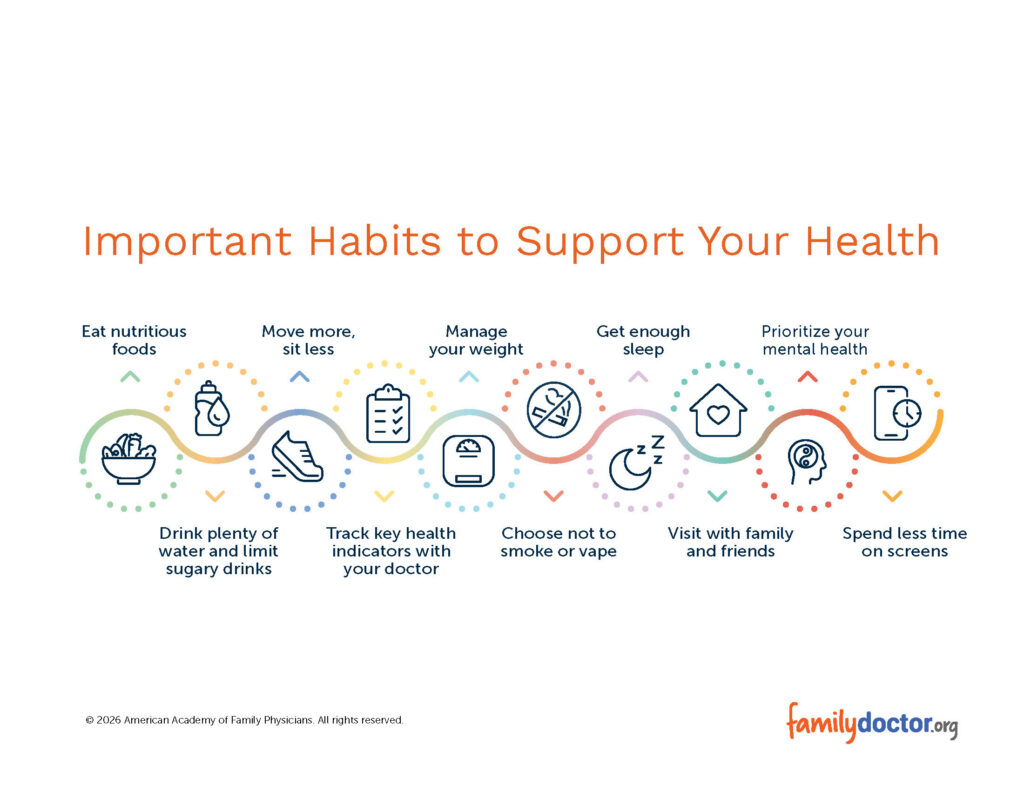
The good news is that simple lifestyle habits can help make every body system stronger. The American Heart Association (AHA) recommends Life’s Essential 8 to prevent and treat CKM syndrome.
- Eat more fruits and vegetables
- Manage weight
- Control cholesterol
- Manage blood pressure
- Be more active
- Get restorative sleep
- Manage blood sugar
- Quit tobacco
Regularly monitoring your health, taking any medications you have as directed, staying active, and connecting with family and friends are also key. It is important to start the conversation with your family doctor through regular visits and screenings. Your doctor will help coordinate the appropriate care and connect you to helpful resources. Your doctor may discuss some medications that are available to help treat multiple CKM conditions.
Stages of CKM syndrome
You are in Stage 0 of CKM syndrome when you have no known risk factors or disease. True prevention starts here through healthy lifestyle habits. It is also important to know that guidelines recommend screening tests- even before you have symptoms.
- Stage 1: May include excess weight or increased waist circumference.
- Stage 2: Abnormal lab tests and multiple risk factors (high blood pressure, cholesterol or blood glucose)
- Stage 3: Early organ damage, often silent. Early cardiovascular or chronic kidney disease is present.
- Stage 4: Significant heart and/or kidney disease is present requiring ongoing physician management. Disease can lead to serious health events like heart attack or stroke.
It is important to remember that you can change or reverse the stage that you are in by making healthy lifestyle choices and following Life’s Essential 8.
Questions to ask your doctor
- What is my CKM risk?
- How often should I get screening tests for CKM syndrome?
- What medications are available to treat symptoms of CKM syndrome?
- Which lifestyle changes should I start first?
- If I have a family member with any of these conditions, do I have a greater risk of developing CKM syndrome?
ADVERTISEMENT
ADVERTISEMENT
Related Articles