COPD
COPD (chronic obstructive pulmonary disease) gets worse over time. It can cause difficulty in breathing and get in the way of accomplishing daily tasks.
 Barbara Yawn, MD, MSc, MPH
What is COPD?
Chronic obstructive pulmonary disease, or COPD, is a progressive disease that develops after your lungs suffer prolonged damage. There are two main types of COPD:
- Chronic bronchitis, which is an inflammation of the lining of your airways
- Emphysema, which is direct damage to the air sacs in your lungs
It’s possible to have both chronic bronchitis as well as emphysema. COPD develops slowly but consistently. While irreversible, there are a variety of COPD medications and lifestyle choices that can help you and your doctor treat the condition and slow or prevent progression.
COPD causes
COPD is primarily caused by breathing in unhealthy substances over time. The majority of COPD cases are caused by smoking, and you are at a higher risk of developing COPD if you smoke or are often around secondhand smoke. COPD can also be caused by regularly inhaling air pollution, chemicals or dust.
Some people can also develop COPD from genetic conditions, but this is far less common than COPD resulting from direct lung damage.
COPD symptoms
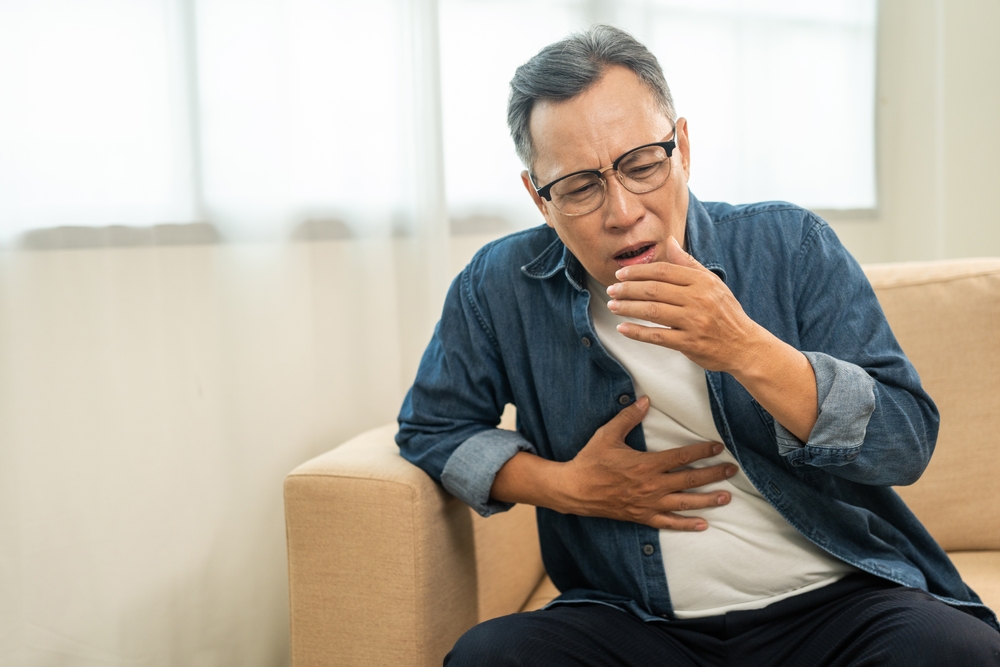
COPD symptoms start slowly and get progressively worse over a period of time. Common COPD symptoms include:
- Shortness of breath (especially with activity)
- A tight feeling in the chest
- A long-lasting cough
- Coughs that produce mucus
- Wheezing
How COPD is diagnosed
Many people don’t notice COPD symptoms, sometimes making early diagnosis challenging. If you are or have been a smoker, talk to your doctor about your breathing ability and activity level. They may recommend you to be screened depending on your history and symptoms.
To determine if you have COPD, your physician will perform what’s called a spirometry test. This breathing test measures the amount of air you can blow out of your lungs. During the test, you’ll breathe into a tube that’s connected to a computer.
The spirometry test will tell your doctor if you have COPD and how severe it is. It can also be used to help determine if another condition, such as asthma or heart failure, is a cause of your symptoms.
COPD treatment
There are two main ways to treat COPD: lifestyle changes and medicine.
Lifestyle changes
If you’re a smoker who develops COPD, the best way to treat your COPD is to stop smoking. If you’re struggling quitting yourself, talk to your doctor about resources that can help you stop smoking. If you’ve developed COPD from breathing in dust or other non-smoking toxins, avoiding those triggers or wearing masks can help your symptoms.
COPD Medicine
There are multiple types of medicines that can treat COPD symptoms and help prevent the disease from progressing:
- Inhaled bronchodilators and antimuscarinics relax the muscles around your airway.
- Inhaled steroids control inflammation in your lungs.
- Antibiotics treat infections.
Use COPD medicine as directed. Using oral steroids except for short periods for exacerbations can be dangerous, and antibiotic overuse is a serious health risk that can worsen your ability to fight infections.
Inhalers for COPD
Most COPD medications are delivered directly to the lungs via small, handheld devices called inhalers. Multiple kinds of inhalers exist, and which medicine you use will determine which inhaler you use.
Proper use of your inhaler is important for you to get the full benefit of your COPD medicine. Follow the instructions on your inhaler. Your doctor or pharmacist can help you learn how to use your inhaler.
How to use your COPD inhaler
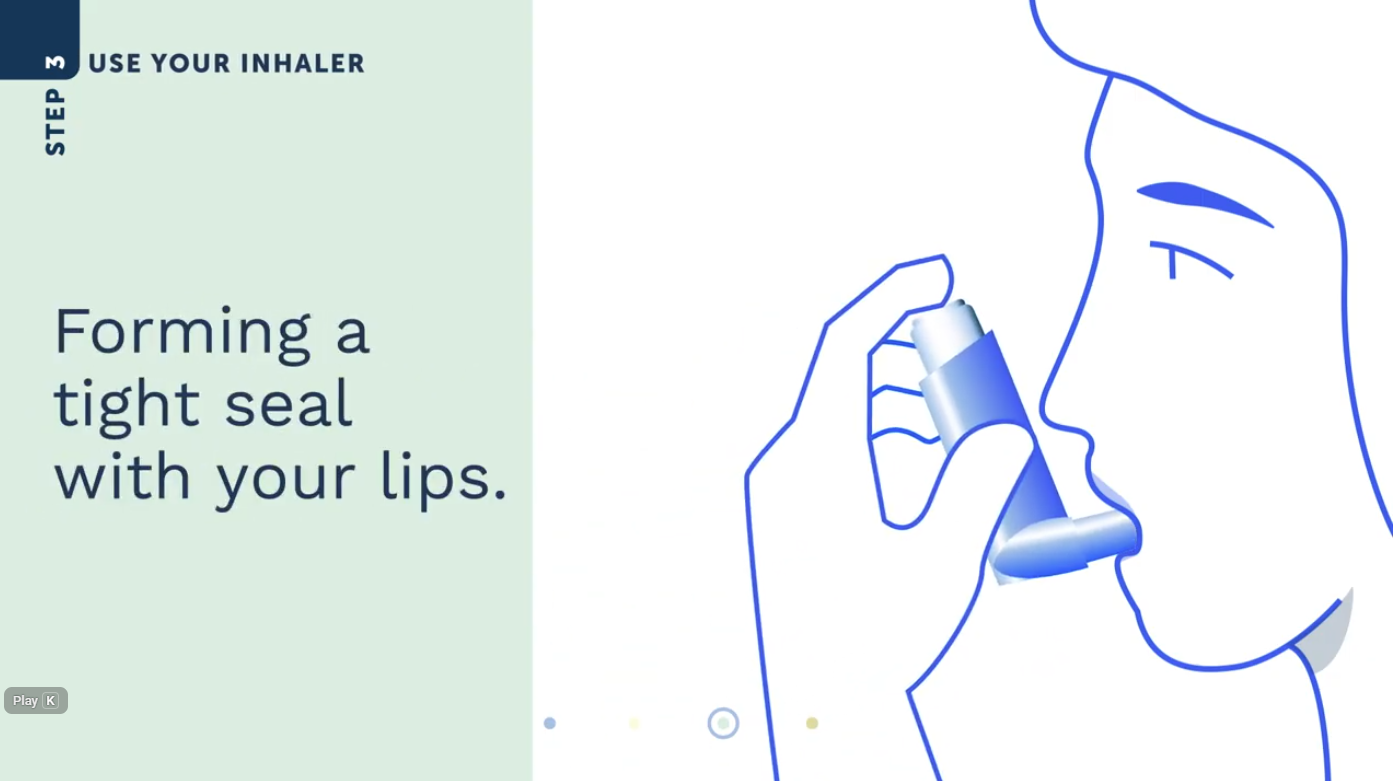
How to use your COPD inhaler
Tips for living with COPD
COPD is a lifelong condition. Thankfully, there are things you can do to manage your symptoms.
One thing you should do is work with your doctor to develop a COPD Action Plan. A COPD Action Plan can help you recognize when you’re having a COPD exacerbation and tell you what actions to take. It is important to follow your plan every day, so make it part of your daily routine.
If you have COPD, you should:
- Avoid things that irritate your lungs. If you smoke, quit. Avoid air pollution, chemical fumes, dust and secondhand smoke. Stay away from people who you know are ill with cold, flu or other respiratory illness.
- Get ongoing medical care. It is important that you see your doctor regularly. Take the medicines that they prescribe. Call your doctor or make an appointment if you have any questions, new symptoms or worsening symptoms.
- Manage your disease. Make lifestyle changes to minimize the effects of your symptoms. Regular daily activity is important and will vary with how short of breath you are. Find simple ways to do daily activities, such as cooking or cleaning. Wear clothes and shoes that are easy to take on and off. Don’t be afraid to ask for help.
- Prepare for emergencies. Talk to your doctor about what symptoms signal an emergency. That way, you’ll know when to call the doctor or go the emergency room. Keep phone numbers on hand for your doctor, the hospital and someone who can help you get medical care. Call your doctor if your symptoms are getting worse, if you have signs of an infection such as fever, or if you’re having more trouble breathing than usual.
- Get emotional support. Living with COPD can be hard. You may feel anxious, depressed, afraid or stressed. It can help to talk to someone about your feelings. You may talk to a counselor or join a support group. Family and friends can also help. Don’t be afraid to tell others how you feel.
Remember that early diagnosis can lead to proper treatment, which can help you feel better. Do not assume shortness of breath or need to limit activities is due to getting older or being out of shape. Talk to your doctor about them. The longer you wait, the longer you let your COPD go untreated, the worse you will feel. Serious COPD will make it difficult to be physically active. This will affect even the simplest of activities, such as dressing or shopping.
Frequently asked questions about COPD
What are the four stages of COPD?
The Global Initiative for Chronic Obstructive Lung Disease (GOLD) groups COPD into four stages:
- Stage 1 COPD (mild): More than 80% lung function available. May go unnoticed.
- Stage 2 COPD (moderate): 50% to 80% of lung function available. Noticeable symptoms, including shortness of breath with activity and increased coughing.
- Stage 3 COPD (severe): 30% to 50% of lung function available. Potential difficulty breathing while doing everyday tasks.
- Stage 4 COPD (very severe): Less than 30% of lung function available. Potential difficulty breathing while resting. At high risk of developing heart or lung failure.
Is COPD curable or reversible?
No, COPD is not curable or reversible. It’s a reflection of damage that’s already happened to your lungs. You can help prevent it from getting worse through lifestyle changes and taking medicine.
Is COPD hereditary?
The vast majority of COPD cases aren’t hereditary. A rare genetic condition called alpha-1 antitrypsin (AAT) deficiency can contribute to COPD and can be inherited.
Is COPD contagious?
No, COPD is not contagious and can’t be passed from person to person.
Is COPD a disability?
Severe cases of COPD can qualify as a disability. To be considered disabled due to COPD, you must undergo disability evaluation and meet other criteria. Talk to your family physician to ask if you could qualify and what next steps you should take.
Questions to ask your doctor
- How can I tell if my symptoms are caused by COPD or another illness?
- What lifestyle changes can I make at home to help reduce my symptoms?
- What are the health risks associated with COPD?
- Which vaccines will I need?
- Is it safe for me to exercise? What kind of exercise can I do?
ADVERTISEMENT
ADVERTISEMENT
Related Articles