
 Shannon Dowler, MD, CPE, FAAFP
 What is HPV (Human Papillomavirus)?
Human papillomavirus (HPV) is a common sexually transmitted virus. It is the most common sexually transmitted infection (STI) in the United States.
There are more than 200 types of HPV. You can have some types without feeling any symptoms. Some types of HPV cause genital warts, and other types of HPV can cause cancer in both women and men. This includes cancer of the cervix, vagina, vulva, anus, penis and throat.
HPV spreads through contact with genitals or skin. Both men and women can get HPV and pass it on. Most people don’t know they have it, so they don’t know they are passing it to other people. It can create a lifelong infection or the body can clear it on it’s own, but we do not have a way of reliably testing for those infections.
How you can get an HPV infection
It is very common for both men and women to get HPV. It usually does not cause symptoms, so people can pass it on without knowing they have it.
HPV infection happens when the virus gets into your body. This is most often during vaginal, anal or oral sex with a person who has HPV. It spreads through intimate skin-to-skin contact, but is not found in bodily fluids.
There are things you can do to lower your chances of getting HPV:
- Get an HPV vaccine.
- Have few sex partners.
- Avoid sex with people who have had many sex partners.
- Always use barrier methods, like condoms, and always use them correctly. But remember that condoms might not cover all the skin where HPV lives.
HPV symptoms
Most HPV infections—even the kinds that cause cancer—usually do not cause any symptoms when the infection happens.
When HPV does cause symptoms, like developing genital warts, they might not show up until weeks or months after you’ve been infected. For cancers, these show up years and decades after infection. Men are more likely than women to have no complications from HPV. This makes men more likely to spread HPV to women without knowing it, and women are more likely to get cancer from HPV.
The main symptom of HPV is genital warts. Genital warts can be big or small, flat or raised. Sometimes they look like cauliflower. There can be just one, or they can come in groups.
HPV symptoms in women can be genital warts on the cervix. Men with HPV might see symptoms in genital warts on the penis or scrotum. Both women and men can have HPV symptoms of genital warts on the anus, groin or thigh. Ask your doctor to look at any new or different feeling bumps in your genital area.
Another type of HPV can cause warts on other parts of your body, like your hands and feet. The types of HPV that cause warts usually do not cause cancer but you can be infected with more than one type of HPV at the same time.
HPV testing
If you think you have warts in your genital area, call your family doctor. They may be able to test for the types of HPV that cause cancer and diagnose genital warts with an examination.
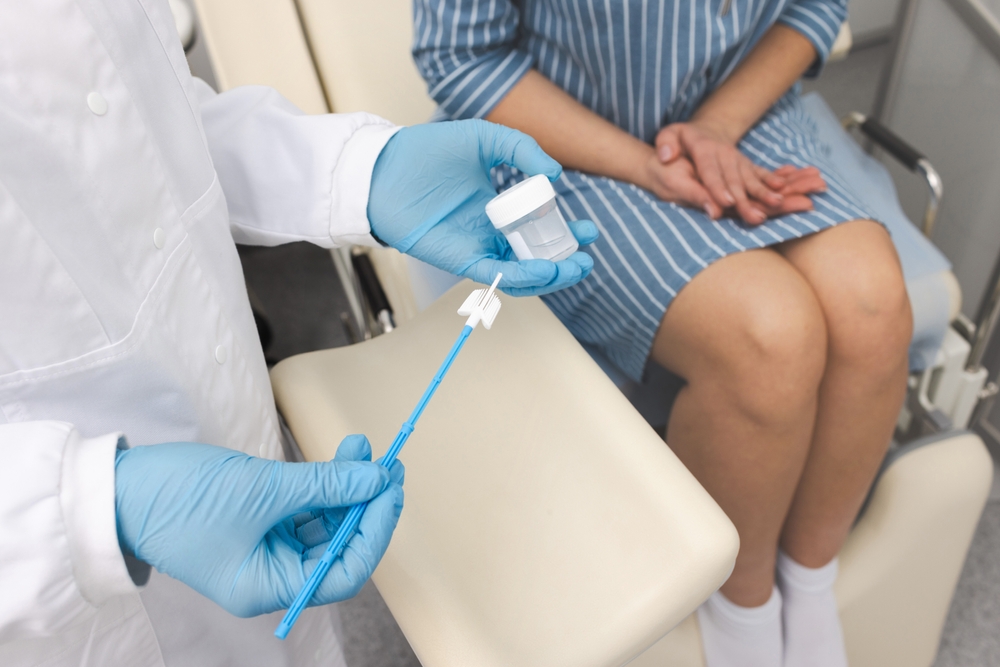
For women, HPV is often diagnosed starting with a routine Pap test, or Pap “smear” or a pap test along with a swab that tests specifically for HPV. In a Pap test, your doctor sends cells from your cervix to a lab, where they are looked at under a microscope. If the lab finds abnormal cells, your doctor might recommend additional tests. Your family doctor will know what tests you need and at what age.
If you have a type of HPV that can cause cancer or abnormal cells on your pap smear, your doctor might offer you a colposcopy. This test uses a special magnifying lens to get a closer look at your cervix. If anything looks abnormal, the doctor will take a small bit to perform a biopsy. This test will check for signs of cancer in development.
Because HPV can develop in the anal canal, people who have receptive anal intercourse or who develop warts in and around the anus may need further testing. Anyone who is HIV-positive should be considered for regular anal Pap and HPV tests.
HPV vaccine
There is an HPV vaccine that can protect you from cancers and other diseases that HPV causes. Because HPV is so common and often causes no symptoms, getting the vaccine before becoming sexually active is the best way to prevent HPV. This vaccine is approved by the FDA.
The CDC’s Vaccines for Children (VFC) program provides free vaccines for some families. If you have low income and don’t have insurance for vaccinations, you might qualify.
HPV vaccine side effects
There are no serious adverse effects associated with the HPV vaccine. It might cause the same side effects that are common with other vaccine. These common side effects can include:
- Redness, warmth, pain or swelling in the arm where you get the vaccine shot
- Feeling faint
- Fever
- Headache
- Tiredness
- Nausea
- Pain in your muscles or joints
HPV vaccine schedule
The American Academy of Family Physicians says girls and boys should get the HPV vaccine when they’re 11 or 12 years old. It works best when it’s given before a person becomes sexually active. Teenagers and young adults can get the vaccine, too.
If you’re behind schedule for getting the HPV vaccine, it is approved and recommended for anyone up to 26 years old.
Any adult 27-45 years of age interested in the HPV vaccine should have a shared decision making conversation with their family doctor about whether a late HPV vaccine series is a good choice for them. Over time, and with age, the vaccine is less effective at preventing HPV associated cancers because most people have already been exposed.
The HPV vaccine is given in two or three shots during the course of one year. Children 9 to 14 years old get two shots. People who are 15 or older get three shots. It’s important to get all of the shots in the series for the most protection from HPV.
HPV FAQ
Is HPV curable?
There is no cure for HPV, but there are treatments for conditions that it causes, like warts and cancer. HPV sometimes goes away without causing any health problems. Unfortunately, we do not have a way of knowing if you are someone who has ongoing infection except with the FDA approved HPV tests done with cervical and anal pap smears.
Is HPV the same as herpes?
HPV and herpes are different sexually transmitted infections. While both are caused by a virus and can cause lifelong infection, they very different viruses. They can cause different health problems.
Is HPV contagious?
HPV is very contagious and very common in men and women. Many people have HPV without feeling any symptoms, so they don’t know they are passing it to other people.
Are all warts caused by HPV?
All warts are caused by different types of HPV. You can also have HPV without having warts.
Does HPV cause cancer?
HPV can cause cancer in both women and men. The cancer can be in the cervix, vagina, vulva, anus, penis and throat.
Questions to ask your doctor
- How do I know if I had the HPV vaccine when I was younger?
- Even if I never have had sex, do I still need a pap smear?
- How do I know if I need an anal pap smear?
- I had warts when I was younger but they went away. Does that mean I don’t have HPV anymore?
- If I have genital warts treated, can they come back?
ADVERTISEMENT
ADVERTISEMENT
Related Articles