
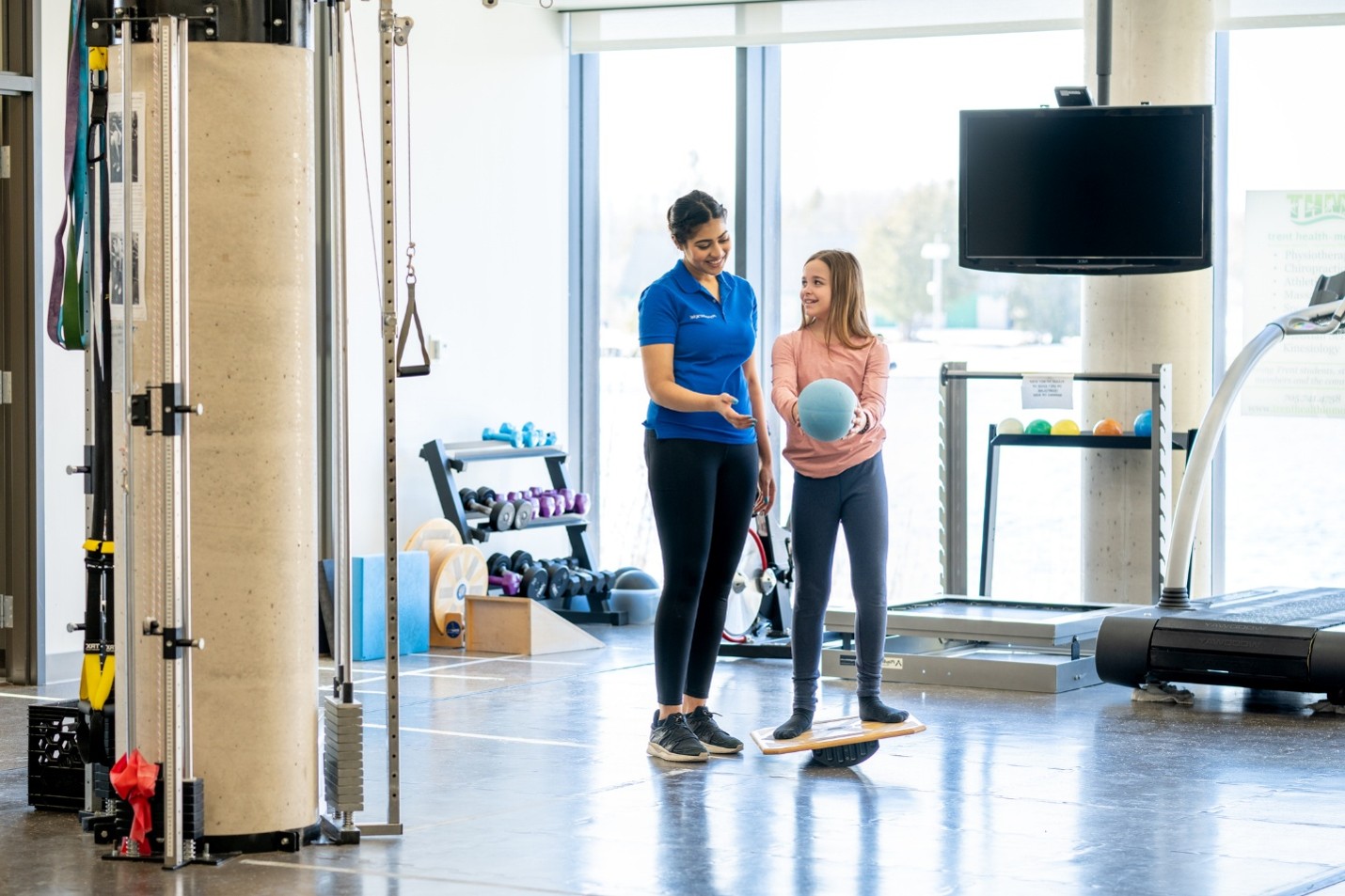
Preventing youth sports injuries: A guide from a physical therapist
 Kyle Bradford Jones, MD, FAAFP
The summer months leading into the fall youth sports season provide an excellent opportunity for young athletes to prepare and ensure safe sports participation. Physical therapy, which is often recommended by your family doctor, can play an important role in preventing sports injuries. From identifying movement deficits to improving strength and mobility, a physical therapist can help prevent pediatric sports injuries and keep young athletes participating in the sports they love.
Paul Schroeder, PT, MPT, is a spokesperson for the American Physical Therapy Association (APTA). As a physical therapist and expert in sports and orthopedics in Chicago, IL. he works alongside family physicians, pediatricians and coaches to help ensure young athletes are ready for and remain safe during their sports seasons. Schroeder answered some of the most common questions about preventing injuries in youth sports during the fall sports season.
What role do physical therapists play in youth sports injury prevention during the fall season?
Physical therapists play a key role in pediatric sports injury prevention. Physical therapy can help young athletes build strength, endurance and physical conditioning, which can decrease the risk of some injuries. Physical therapists can help you optimize performance and support a safe return to play after an injury.
How do family doctors and physical therapists work together as part of a young athlete’s health care team?
In collaboration with a family doctor, physical therapists monitor progress and help determine when it is safe for a young athlete or teenager to return to playing a sport. They also help prevent further pediatric sports injuries and support long-term health. Physical therapists and family doctors can also coordinate treatment plans specific to each athlete’s needs, challenges and goals.
How early should young athletes begin preparing physically before fall sports officially start, and what does “being ready” look like?
Training should begin during the summer, at least four to six weeks before fall sports officially start. This time allows young athletes to gradually build muscle strength and endurance, which helps reduce the risk of future injury. “Being ready” means that an athlete can safely participate in their sport when the fall season starts without falling behind or having to catch up during an often-demanding practice, game or competition. It is essential to stay hydrated during the summer months to avoid heat-related illness, maintain optimal body temperature and optimize mental and physical performance.
What are some of the key benefits of your child or teenager seeing a physical therapist before participating in fall sports?
Working with a physical therapist can provide young athletes with a great foundation for building strength, endurance, technique and confidence going into the fall sports season. Safety is the top priority, and there are many factors to consider when playing competitively. A physical therapist will discuss past injuries, growth spurts, sleep habits, nutrition and hydration to help develop a personalized program. In addition, a physical therapist can identify movement deficits, muscle weaknesses and imbalances to help the athlete maintain proper mechanics and avoid preventable sports injuries.
What should families expect during a pre-participation physical exam or assessment?
A pre-participation physical assessment is designed to make sure your child is ready and safe to play. It is important for safety, injury prevention and compliance with school-related obligations. You can expect a review of your medical history, a general physical and then a functional assessment. For sports involving higher risks of concussions (soccer, football, gymnastics, etc.), obtaining baseline testing helps establish a point of comparison to better guide and inform management if a concussive event occurs.
What questions should families ask during preseason physicals or movement assessments?
It is important to consider questions that are relevant to a young athlete’s health history, past sports injuries and risk factors. Families should seek guidance on training and recovery schedules, as well as resources to support a young athlete’s mental health. A psychological readiness assessment by a family doctor is vital in youth sports because it directly influences physical safety, motivation and overall mental well-being. Your family doctor or physical therapist will help determine next steps or if a mid-season follow-up is necessary.
When young athletes jump into fall sports too quickly, what training mistakes or patterns increase youth sports injuries?
When young athletes go from little preseason training to daily practices, it can increase the risk of pediatric sports injuries. Teenagers are often balancing a demanding school schedule with multiple sports and may not have much recovery time to prevent injury. It is important that parents and caregivers regularly communicate with their young athletes to ensure that they aren’t playing through pain, fatigue, illness or other conditions. A key component of preseason readiness is a gradual build-up of strength and endurance to meet the physical demands of competition.
What are the most effective strategies physical therapists recommend to help reduce the risk of concussion in young athletes?
Physical therapists focus on reducing concussion risk by helping young athletes build a safe foundation for participation in their sport. This includes strength training, impact control, balance work, situational awareness, technique training and guidance on properly fitted gear and equipment. Physical therapists can also advise athletes on modifications needed during practice to reduce the risk of concussion. In addition, they can help educate families to recognize the signs and symptoms of a concussion and the appropriate next steps should a head injury occur. A physical therapist will focus on key strategies to reduce concussion risk including:
- Ensuring properly fitted, sport-specific protective gear
- Teaching sport-specific, safe skill techniques
- Limiting full-contact practice time
- Emphasizing neck and shoulder strengthening exercises
It’s important to note that a concussion diagnosis is a clinical diagnosis and can only be made by a licensed health care professional. Physical therapists can work with an athlete’s health care team to evaluate and treat a variety of post-concussion issues.
Physical therapists take a team approach to rehabilitation, working with family physicians to determine appropriate additional treatment when necessary. Together, they can evaluate, treat and manage a variety of post-concussion issues including neck pain, dizziness, balance problems, headaches, exercise intolerance, sleep hygiene, vision issues, dual-tasking and cognitive challenges. They can also advise on Return to Learn, a stepwise process that helps a student gradually restart cognitively demanding activities – such as schoolwork, reading, screen time and other mental tasks – while avoiding symptom flare-ups.
This resource is was developed in collaboration with the American Physical Therapy Association.
ADVERTISEMENT
ADVERTISEMENT
Related Articles