
Air pollution, chronic disease and what you can do about it

Chronic disease remains on the rise for United States citizens. Many people know that poor eating habits, lack of exercise, drinking alcohol and smoking cigarettes are primary causes of chronic disease. But there is an often overlooked and major cause of chronic disease: environmental toxins.
In America, air pollution is the largest source of environmental toxins, leading to over 100,000 premature deaths each year. The greatest source of air pollution for you is your own car or pick-up truck. Fortunately, there are ways to limit your exposure to this type of air pollution.
Why environmental toxins contribute to chronic disease
Air pollution is loaded with poisonous chemicals. These chemicals get into our bodies in obvious ways—such as inhaling them—but also in not so obvious ways, like through our skin! These chemicals that contact our skin are either called volatile organic compounds (VOCs) or semi-volatile organic compounds (SVOCs) and can be directly absorbed at levels equal to or greater than inhalation. From there, they immediately travel into our blood stream.
Air pollution chemicals also get a second chance to enter our bodies the same way as “third hand smoking” does—by being brought into our homes or work spaces on our hands and clothing. These chemicals do not simply "decompose" or magically disappear. They are left on surfaces we touch, especially food, and are scattered about indoors from our clothes.
Commonly, they end up in dust, which can get everywhere with just a little breeze or air current. This contaminated dust can get onto your food, cooking areas, plates and utensils. That means you can ingest and absorb them through the gastrointestinal tract into your circulatory system even if you don’t breathe them in.
Unfortunately, when these chemicals get into you (and the food you eat), they are stored in fatty tissues, bones, blood and organs. Over time, they accumulate, which increases the risk of disease and premature death. But these chemicals don’t need years to cause trouble. Studies show that in cities, strokes and heart attacks increase during high air pollution days and shortly thereafter.
Car air pollution
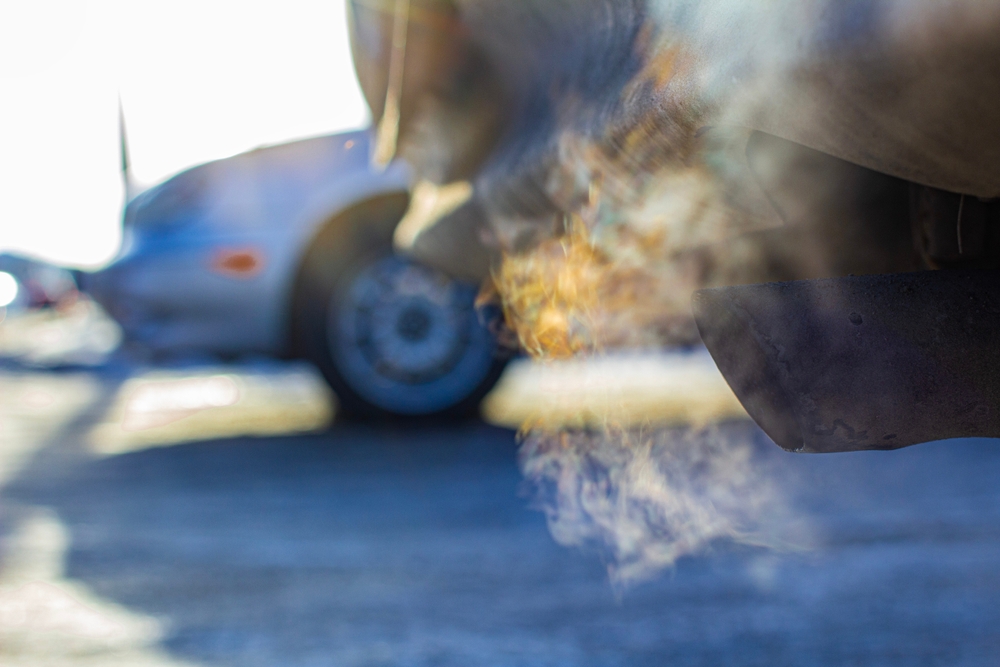
The greatest source of exposure to these chemicals is your car or pick-up truck. The level of air pollution is highly concentrated around idling vehicles compared to the surrounding ambient air pollution, and open vents and windows expose you to additional air pollution while driving. Thankfully, you can control and limit these exposures.
Minimize car idling, minimize pollution
While switching to an electric vehicle is one way to reduce your exposure to air pollution, they remain expensive. But there is a way that you can reduce your exposure to air pollution: don’t let your car or truck idle.
An idling car produces concentrated ground level air pollution, and choosing not to idle will reduce your exposure and others (especially children) around your car. When you are not driving your car or truck, turn it off. It turns out that idling is also bad for your vehicle’s health. Idling for more than 10 seconds actually puts more wear-and-tear on your engine—gasoline or diesel—than turning your engine off and on again. In cold weather, it is bad for the engine to warm it up by idling, and is best done by driving slowly until the temperature gauge starts to change.
By minimizing idling, you’re not just avoiding breathing unnecessary fumes and getting them on your skin, clothes, in your grocery bags and more. You’re also not exposing others in your vicinity. Think of kids putting things in the back of the vehicle or getting them out. It’s a win all around: turning your car off instead of idling it reduces pollution exposure, increase vehicle longevity and also saves money on gas and repairs.
Engage the air recycle button
Another thing you can do is to use the air recycle button in your car ortruck. The air recycle button should be used all the time with the windows closed. It’s the same symbol in every car, which is a U-shape arrow on its side.
The air recycle button is important because it blocks polluted outside air from coming into the cabin and, at the same time, circulates the cabin air through your vehicle’s HEPA filter to clean the air. Without engaging the HEPA filter, you’re basically collecting the ambient air pollution and concentrated exhaust from the cars and trucks in front of yours into your cabin.
There are other benefits, too. In the summer, the air recycle button actually cools the cabin air quicker, as the A/C does not have to keep cooling incoming hot air. In the same way, in the winter the cabin warms up quicker.
Avoiding pollution as a pedestrian
While there are fewer ways to avoid air pollution when you’re walking around vehicles, there are a few key tips to keep in mind. First, walk upwind of car fumes if possible to avoid fumes from wafting to you on the wind. Second, hold your breath as you walk by idling cars.
Air pollution isn’t just an idle threat
Chronic air pollution exposure should not be ignored. It’s associated with many common health conditions, from hypertension and emphysema to lung cancer, dementia, type 2 diabetes, pediatric asthma and more. Significant health benefits could be obtained if unnecessary car and truck idling was avoided throughout America with billions of gallons of gas and diesel saved each year.
Talk to your family doctor about air pollution and how to avoid it and possibly prevent a disease or limit worsening one. Staying healthy is a journey, but it’s also one where creative solutions are plentiful.

About Dr. Kazal
Louis A. Kazal, Jr., M.D., is a Professor of Community and Family Medicine at Geisel School of Medicine at Dartmouth in Hanover, New Hampshire, Board-Certified in Family Medicine, and a Fellow of the American Academy of Family Physicians
ADVERTISEMENT
ADVERTISEMENT
Related Articles