
Deep Vein Thrombosis
 Deepak S. Patel, MD, FAAFP, FACSM
What is deep vein thrombosis (DVT)?
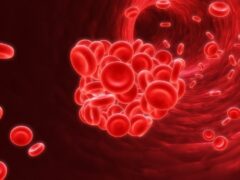
Deep vein thrombosis (DVT) is a blood clot that forms in large veins beneath the muscle and tissue, typically in the lower leg and thigh. DVT is common and can be dangerous if the clot breaks off and moves through your bloodstream. This is called an embolism. An embolism can be life-threatening if it gets stuck in the heart, lungs or brain.
What causes DVT?
DVT is caused by a change in blood flow in the veins. Most often, there are multiple factors that cause DVT. Your risk increases with:
- Age (60 years of age or older)
- Inactivity for a long period of time (long distance travel, recovering in bed after surgery)
- Recent surgery (most commonly hip, knee, or female pelvic surgery)
- Pregnancy or recent pregnancy (within last 6 months)
- Obesity
- Smoking
- Medical conditions such as cancer, blood clotting disorders or certain autoimmune disorders
- Broken bones in the pelvis or legs or leg casting
- Certain medications such as birth control and hormone therapy
- Family history of blood clots
Symptoms of DVT
Most often, a DVT will affect one side of the body causing any of the following symptoms:
- Pain or tenderness
- Swelling (edema)
- Skin may feel warm and look red or discolored
- Sensation of heaviness in the leg when standing or walking
Some people with DVT do not have any symptoms.
How is DVT diagnosed?
Your doctor will diagnose a DVT based on your health history, physical exam and diagnostic tests. These tests can include:
- Doppler ultrasound of the area of concern
- D-dimer blood test to look for blood clotting concerns
- Computed tomography (CT) scan of the abdomen, chest or pelvis
DVT prevention
There are several things you can do to help prevent DVT. Start by speaking with your family doctor about your risk factors and possible lifestyle changes. Most DVTs develop in people after an injury or surgery. Decrease your risk and help prevent DVTs by doing the following:
After surgery: Move around as soon as possible after surgery after permission from your surgeon. If you are unable to walk, flex and extend your feet to help improve blood flow in your calves. Your doctor may recommend applying pressure to the area by wearing compression stockings or taking preventative medication after surgery.
Travel: Move around and walk frequently (every 1 to 2 hours), if possible, when on long flights or car trips. Ensure you are drinking lots of water. Consider wearing compression stockings. Flex and extend your feet to help improve blood flow in your calves.
DVT treatment
The goal of DVT treatment is to stop the clot from getting bigger, prevent the clot from traveling to your lungs and prevent clots in the future.
After you have been diagnosed with a DVT, your doctor will likely give you an anticoagulant medicine. Anticoagulants help to thin your blood and prevent new blood clots from forming. Anticoagulant medications may be given through an intravenous (IV) infusion, injected under the skin or taken orally.
If you are unable to take an anticoagulant (blood thinner), there are other treatment options. Your doctor may refer you to a vascular surgeon and recommend a vena cava filter to treat the DVT. A vena cava filter is inserted into the large vein (vena cava) that carries blood from your lower body to your heart. The filter catches a clot as it moves through the bloodstream and prevents it from entering the lungs. This treatment is more common for people who have had several blood clots travel to their lungs.
Once you have had a DVT, you are more likely to develop another clot in the future. It is important to schedule routine follow-up care and notify your doctor of any new symptoms. Your follow-up care may also include a team of specialists, such as a vascular surgeon.
Questions to ask your doctor
- Are there any lifestyle changes I can make to reduce my risk of blood clots?
- If I have DVT once, what is my risk of having future blood clots?
- Is it safe for me to travel with DVT?
- Does DVT increase my risk for other health problems?
ADVERTISEMENT
ADVERTISEMENT
Related Articles