


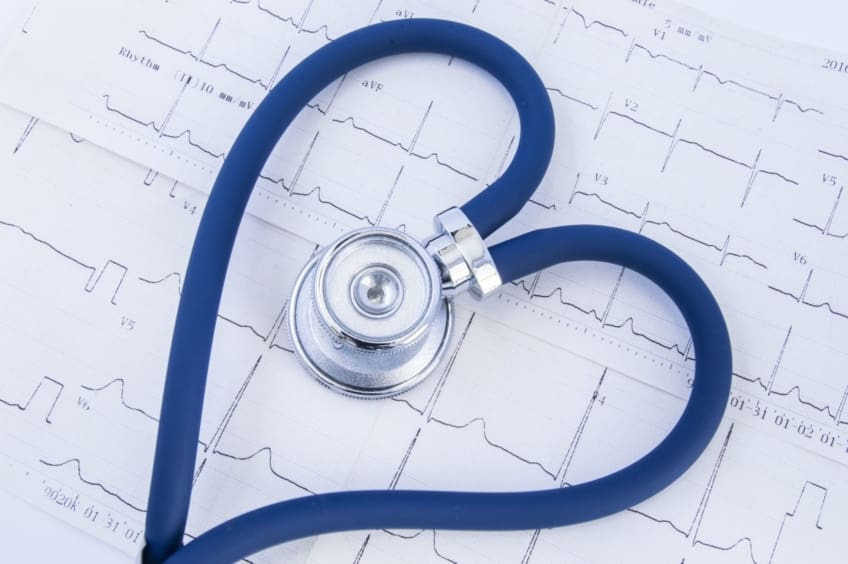
What is arrhythmia?
An arrhythmia is a change in the rhythm of your heartbeat. Your heart may beat too fast (tachycardia) or too slow (bradycardia). Your heartbeat may be irregular. This occurs if your heart skips a beat or has an extra beat. Arrhythmias are common. For most people, they are minor and not serious. However, they can be severe or life-threatening. Arrhythmias are more serious if you have other heart problems.
There are several types of arrhythmias. The type that starts in the lower chambers of the heart (ventricles) are often worse than those that start in the upper chambers (atria).
- Atrial fibrillation: Your heart beats irregularly and too fast. This type requires treatment. It can increase your risk of stroke.
- Paroxysmal atrial tachycardia: Your heart has episodes of beating too fast. This may cause discomfort. It is not severe.
- Ectopic beats: Your heart has an extra beat. Seek treatment if you have several extra beats in a row and/or other problems with your heart. Examples include heart disease and congenital heart disease.
- Ventricular tachycardia and ventricular fibrillation: The heart beats too fast. It may not pump enough These types are severe and require immediate treatment.
Symptoms of arrhythmia
Sometimes, people feel their heart race or skip a beat. This can be brought on by strong emotions or exercise. It is usually not a cause for alarm. Talk to your doctor if you have symptoms. You may have an arrhythmia or other heart problem.
Possible signs of a more serious problem include:
- Palpitations or rapid thumping in your chest
- Feeling tired or light-headed
- Passing out
- Shortness of breath
- Chest pain
Get care right away if symptoms occur and you have a history of heart disease or heart attacks.
What causes arrhythmia?
Your heart has 4 sections, or chambers. The walls of your heart squeeze together (contract) to push blood through the chambers. Electrical signals in your heart control these. Nerve impulses and hormones in your blood affect the rate of contractions. A problem in any of these areas can cause an arrhythmia.
Heart disease is the most common cause of the more serious forms of arrhythmias. Arrhythmias can be caused by congenital heart disease (CHD), abnormal heart valve function, and heart failure. Minor arrhythmias may be caused by other factors. These include alcohol abuse, smoking, caffeine, stress, or exercise. Arrhythmias also can occur for no known reason.
What causes arrhythmia?
Your heart has 4 sections, or chambers. The walls of your heart squeeze together (contract) to push blood through the chambers. Electrical signals in your heart’s natural “pacemaker” (sinoatrial node) control these. Nerve impulses and hormones in your blood affect the rate of contractions. A problem in any of these areas can cause an arrhythmia.
Heart disease is the most common cause of the more serious forms of arrhythmias. Arrhythmias can be caused by congenital heart disease (CHD), abnormal heart valve function, and heart failure. Minor arrhythmias may be caused by other factors. These include alcohol abuse, smoking, caffeine, stress, or exercise. Arrhythmias also can occur for no known reason.
How is arrhythmia diagnosed?
Your doctor will do a physical exam and review your symptoms. He or she will ask about your heart and health history. Your doctor will do tests. This includes an electrocardiogram (ECG or EKG). During this test, you will lie down and the doctor will monitor your heartbeat.
Your doctor may do an exercise or stress test. This consists of monitoring your heart while you walk on a treadmill. You may be given medications to speed up your heartbeat. This can help detect underlying heart disease.
Another way to track your heart is to wear a machine called a Holter monitor. It records your heart’s rhythms for 24 hours. If your doctor wants to monitor your heart for more than 24 hours, he or she may give you an event recorder. It records samples of your heart’s rhythms for a couple of days or more. The doctor may run other tests to provide information about your heart.
Can arrhythmia be prevented or avoided?
You can prevent some types of arrhythmias with lifestyle changes. Limit alcohol use and stop smoking. Maintain a healthy weight through diet and exercise. Work with your doctor to manage heart disease or other health problems.
Arrhythmia treatment
Treatment depends on the type of arrhythmia you have. Some mild arrhythmias may not require treatment. Other types can be treated with medicine. Severe cases require additional treatment, including:
- Artificial pacemaker. The electronic device is placed under the skin on your chest. It helps your heart maintain a regular beat.
- Cardiac defibrillation. A brief electric shock can stop an abnormal rhythm and restore a normal one.
- Procedures to correct certain types of arrhythmias. If the arrhythmia occurs in a certain area of your heart, that part may be removed. A procedure called cardiac ablation can destroy the tissue in your heart that causes the arrhythmia.
Arrhythmias caused by health problems should be properly treated and managed.
Living with arrhythmia
People who have mild cases may require monitoring, but no other forms of treatment. For severe cases, treatment can manage your symptoms and heart rate to reduce damage. If your condition is left untreated, it can cause a heart attack, stroke, or heart failure. Follow your doctor’s orders and maintain a healthy lifestyle.
Questions to ask your doctor
- What kind of arrhythmia do I have? Is it life-threatening?
- What types of treatment do I need? Will I need to take them my entire life?
- Will I need a pacemaker or implantable cardioverter-defibrillator?
- How do I know if my condition is getting worse? What should I do if it gets worse?
- Are there any lifestyle changes I can make to reduce my risk of complications?

Copyright © American Academy of Family Physicians
This information provides a general overview and may not apply to everyone. Talk to your family doctor to find out if this information applies to you and to get more information on this subject.