




What is hepatitis?
Hepatitis is a general term for inflammation of the liver. Normally, the liver breaks down waste products in your blood. But when the liver is inflamed, it doesn’t do a good job of getting rid of waste products. This causes waste products to build up in your blood and tissues.
Many different things can cause hepatitis. The most common cause of hepatitis is infection with one of the 5 hepatitis viruses (A, B, C, D, or E). Other things that can cause hepatitis include:
- Lack of blood supply to the liver.
- Poisons.
- Autoimmune disorders.
- Excessive alcohol use.
- Injury to the liver.
- Taking certain medicines.
Less commonly, viral infections such as mononucleosis or cytomegalovirus can cause hepatitis.
There are 2 main kinds of hepatitis: acute hepatitis (short-lived) and chronic hepatitis (lasting at least 6 months). Most people get over the acute inflammation in a few days or a few weeks. Sometimes, however, the inflammation doesn’t go away. When the inflammation doesn’t go away in 6 months, the person has chronic hepatitis.
What is hepatitis C?
Hepatitis C is a serious liver infection caused by the hepatitis C virus. It is spread from person to person through contact with blood. Most people who are infected with hepatitis C don’t experience any symptoms for years. However, hepatitis C usually is a chronic illness (which means it doesn’t go away on its own). If you have hepatitis C, you need to be watched carefully by a doctor because it can lead to cirrhosis (scarring of the liver) and liver cancer. Cirrhosis from hepatitis C is a leading cause of liver failure and needing a liver transplant.
Symptoms of hepatitis C
Many people don’t feel sick or have symptoms of hepatitis C until they’ve had the virus for a long time. Some people have mild, flu-like symptoms anywhere from 2 weeks to 6 months after they are first infected with the virus. These symptoms may include:
- Mild fatigue.
- Achiness in your joints and muscles.
- Nausea.
- Lack of appetite.
- Tenderness in the area of your liver (the right upper part of your abdomen).
As the disease progresses, hepatitis C can cause liver damage. In many cases, there are no symptoms until liver problems develop. If symptoms of liver problems do appear, they may include:
- fatigue
- nausea
- vomiting
- loss of appetite
- jaundice (yellowing of the skin and the whites of the eyes)
- low-grade fever (fever up to 102°F)
What causes hepatitis C?
Hepatitis C is caused by infection with the hepatitis C virus. The virus is spread from person to person through contact with blood. People who use intravenous (IV) drugs can get hepatitis C when they share needles with someone who has the virus. Health care workers (such as nurses, lab technicians, and doctors) can be exposed to hepatitis C. They can become infected if they are accidentally stuck with a needle that was used on an infected patient. You are also at a higher risk if you got a blood transfusion or an organ transplant before 1992. (Improvements in blood-screening technology were made in 1992.)
Hepatitis C can’t be spread unless a person has direct contact with infected blood. This means a person who has hepatitis C cannot pass the virus to others through casual contact such as:
- sneezing
- coughing
- shaking hands
- hugging
- kissing
- sharing eating utensils or drinking glasses
- swimming in a pool
- using public toilets
- touching doorknobs
I’ve never used IV drugs or been stuck with a dirty needle. How did I get hepatitis C?
Hepatitis C is usually spread through direct contact with the blood of a person who has the disease. It can also be transmitted by needles used for tattooing or body piercing. In rare cases, hepatitis C can be passed from a mother to her unborn baby. This virus can be transmitted through sex and sharing razors or toothbrushes. These occurrences are also rare. Many times, the cause of hepatitis C is never found.
How is hepatitis C diagnosed?
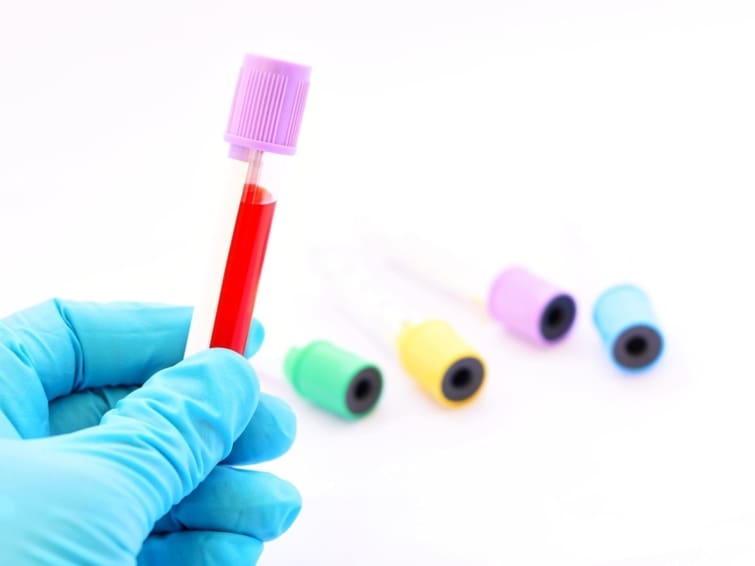
Your doctor will determine if you have hepatitis C by using a blood test. The test is called the Hepatitis C Antibody Test. The test checks your blood for antibodies to the hepatitis C virus. If antibodies are detected, it means you have been exposed to hepatitis C. If your viral load is positive, it means you are currently actively infected with hepatitis C. A negative test means that you do not have hepatitis C antibodies and likely do not have hepatitis C.
Can hepatitis C be prevented or avoided?
The only way to prevent hepatitis C is to avoid coming in contact with an infected person’s blood. Always have protected sex (use a condom). Don’t do intravenous (IV) drugs. Don’t share personal care items (such as razors or toothbrushes) with a person who has hepatitis C. If you’re a health care worker, follow your workplace’s standard safety practices.
Is there a vaccine for hepatitis C?
No, there is no vaccine for hepatitis C. (There are vaccines for hepatitis A and hepatitis B.) If you have hepatitis C, your doctor may want you to get the vaccines for hepatitis A and B. If you have hepatitis C, you are more likely to catch hepatitis A or hepatitis B. Catching these viruses would cause more damage to your liver.
Could I give hepatitis C to someone else?
Yes, once you have hepatitis C, you can always give it to someone else. If you have hepatitis C, you cannot donate blood. You should avoid sharing personal items like razors and toothbrushes. It is very rare to pass hepatitis C in these ways, but it can happen. Always use a condom when you have sex. If you have hepatitis C, your sexual partners should be tested to see if they also have it.
Talk to your doctor first if you want to have children. The virus isn’t spread easily from a mother to her unborn baby. But it is possible, so you need to take precautions. However, if you’re trying to have a baby, do not have sex during your menstrual cycle. The hepatitis C virus spreads more easily in menstrual blood.
Hepatitis C treatment
Treatment of hepatitis C has improved over the years. Newer medicines have shorter treatment cycles and fewer side effects. Some of these treatments have the potential to even cure the disease.
Most recently, the Food & Drug Administration approved a pill that is a combination of glecaprevir and pibrentasvir (brand name: Mavyret). It has one of the shortest treatment cycles. Treatment dosage and length of treatment cycle depends on stage of disease. The shortest treatment cycle (8 weeks) is for people who have hepatitis C but have not been treated for it and do not have cirrhosis of the liver. It can treat all types of hepatitis C.
There are a number of other medications approved for treatment of hepatitis C. Talk to your doctor to determine which is best for you.
Your treatment plan for hepatitis C will depend on many factors. These include what type of hepatitis you have, whether you have cirrhosis of the liver, and your stage of disease. You and your doctor will decide on the best plan.
How should I take care of myself if I have hepatitis C?
Good health habits are essential for those who have hepatitis C. You should especially avoid alcohol and medicines and drugs that can put stress on the liver. You should eat a healthy diet and start exercising regularly. Your family doctor can help you plan a diet that is healthy and practical.
Talk to your doctor about any medicines that you are taking, including over-the-counter medicine. Many medicines, including acetaminophen (brand name: Tylenol), are broken down by the liver. Because of this, they may increase the speed of liver damage. You should also limit alcohol use. It speeds the progression of liver diseases like hepatitis C. An occasional alcoholic drink may be okay, but check with your doctor first.
What are the side effects of drug treatment?
Common side effects for some treatments for hepatitis C may include the following:
- nausea
- vomiting
- fever
- fatigue
- depression
Side effects are usually worst during the first few weeks of treatment. They become less severe over time. If you are having trouble dealing with the side effects of your medicine, talk to your doctor. He or she can suggest ways to relieve some of the side effects. For example, if your medicine makes you feel nauseated, it may help to take it right before you go to sleep.
Do I have to have drug treatment?
The choice is up to you and your doctor. The decision to use drug therapy can be hard to make because of the potential side effects. Your doctor will closely monitor your symptoms and the amount of the virus in your body. He or she will also consider your overall health. This includes looking at blood test results. All are important factors to consider before you and your doctor start drug treatment for your hepatitis C.
How will I know if my treatment works?
The goal of treatment is to reduce the amount of the hepatitis C virus in your blood to levels that can’t be detected after 24 weeks of therapy. The amount of the virus in your blood is called your viral load. At the end of your treatment, your doctor will need to measure your viral load and find out how healthy your liver is. He or she may repeat many of the same tests that were done when you were first diagnosed with hepatitis C.
If your blood has so few copies of the virus that tests can’t measure them, the virus is said to be undetectable. If it stays undetectable for at least 6 months after your treatment is finished, you have what is called a sustained virologic response (SVR). People who have an SVR have a good chance of avoiding serious liver problems in the future.
Treatment may not reduce your viral load. You may not have an SVR after treatment. If that’s true, your doctor will discuss other treatment options with you. For example, if 1 round of treatment did not decrease your viral load enough, your doctor may recommend a second round. Even if treatment doesn’t keep you from having active liver disease, lowering your viral load and controlling chronic liver inflammation may help you feel better for a longer time.
Living with hepatitis C
Coping with hepatitis C isn’t easy. You may feel sad, scared, or angry. You may not believe you have the disease. These feelings are normal, but they shouldn’t keep you from living your daily life. If they do — or if they last a long time — you may be suffering from depression. People who are depressed have most or all of the following symptoms nearly every day, all day, for 2 weeks or longer:
- Feeling sad, hopeless and having frequent crying spells.
- Losing interest or pleasure in things you used to enjoy (including sex).
- Feeling guilty, helpless, or worthless.
- Thinking about death or suicide.
- Sleeping too much or having problems sleeping.
- Loss of appetite and unintended weight loss or gain.
- Feeling very tired all the time.
- Having trouble paying attention and making decisions.
- Having aches and pains that don’t get better with treatment.
- Feeling restless, irritated, and easily annoyed.
Talk to your doctor if you notice any of these symptoms. Your doctor can help by recommending a support group or a therapist. He or she may also prescribe a medicine for you to take.
Questions to ask your doctor
- Do I need treatment?
- What treatment is best for me?
- What medicines should I take?
- Are there any medicines I should avoid?
- How can I cope with the side effects of treatment?
- Is there a therapist I can talk to?
- How long will my treatment last?
- Can hepatitis C be cured?
- Are organ transplants and blood transfusions safe?
- Is it safe for me to get pregnant?

Copyright © American Academy of Family Physicians
This information provides a general overview and may not apply to everyone. Talk to your family doctor to find out if this information applies to you and to get more information on this subject.