

What is opioid addiction?
An addiction is a strong craving to do something. In this case, it’s a strong craving to use opioids. Addiction is a disease that affects your brain and behavior. At first, you should have control over your choice to use opioids. However, opioids are very addictive. Over time, their effect can make you want to keep using the medicine or use it incorrectly. This can lead to changes in brain function that cause you to develop a powerful urge to take opioids.
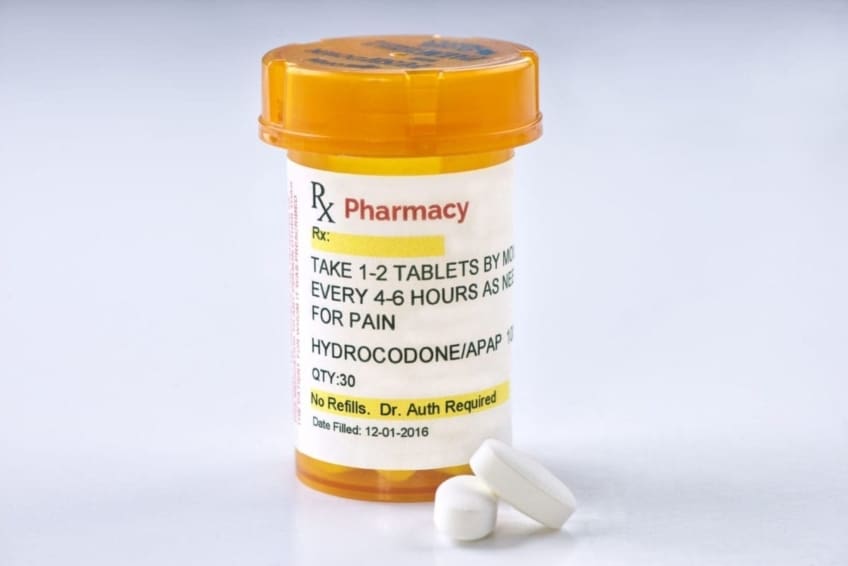
An opioid addiction is an unhealthy dependence on these powerful medicines. Opioids are a class of drugs that are made with natural or synthetic chemicals found in the opium poppy plant. This includes illegal substances, such as heroin, and prescription drugs intended to help relieve pain. Opioids also relax the body and produce a “high.”
Doctors typically prescribe opioids in instances such as:
- Toothaches and dental procedures
- Injuries
- Surgeries
- Chronic conditions, such as cancer
Types of opioid drugs include:
- Opium
- Heroin
- Codeine
- Fentanyl
- Hydrocodone and oxycodone
- Hydromorphone and oxymorphone
- Methadone
- Morphine
- Tramadol
Some prescription cough medicines also contain opioids.
Symptoms of opioid addiction
An opioid addiction is considered a form of substance abuse. The signs and symptoms of substance abuse can be physical, behavioral, and psychological. One clear sign of addiction is not being able to stop using opioids. This may look like using the medicine more frequently than your doctor prescribed, using a higher dose than prescribed, or using someone else’s prescription for yourself. Another sign of addiction is seeking the immediate rewards (the “high”) of the drug despite knowing the consequences.
Common symptoms of opioid addiction include:
- Physical agitation
- Confusion
- Depression or anxiety
- Nausea
- Constipation
- Shallow or slow breathing
Ongoing slowed breathing can lead to a condition called hypoxia. This occurs when not enough oxygen reaches your brain. Hypoxia can lead to permanent brain damage, coma, or death.
If you take too many opioids, you may experience an opioid overdose. Even a small amount can be too much for some people and lead to an overdose. An overdose is a very serious medical condition. Symptoms can include:
- Vomiting
- Loss of consciousness (passing out)
- Unresponsiveness (can’t wake up)
- Slow, irregular breathing, or not breathing at all
- Slow, erratic pulse, or no pulse
An opioid overdose requires immediate medical treatment. Call 9-1-1 right away if you think someone has overdosed. In some states, a prescription nasal spray called naloxone (Narcan) is available to keep on hand in case of an overdose. Talk to your doctor to see if you might need this medicine for emergency reasons.
What causes opioid addiction?
Opioid drugs alter your brain by creating artificial endorphins. These block pain and change how your brain responds to pain. The false endorphins can even produce a high or feelings of euphoria. Opioid use can cause your brain to depend on these endorphins, or even to stop producing its own endorphins. The longer you use opioids, the more likely this is to happen.
Drug tolerance occurs when your body gets used to the effects of a drug over time. As this happens, you may need to take a higher dose of the drug to get the same effect.
Drug dependence occurs when your body changes and starts to rely on a drug to function. These changes often lead to withdrawal symptoms when you stop using the drug. Withdrawal symptoms can be mild or severe, and may include:
- Sweating
- Nausea or vomiting
- Chills
- Diarrhea
- Shaking
- Pain
- Depression
- Insomnia
- Fatigue
You should always talk to your doctor before you stop using a drug, even an opioid. They can help you reduce or prevent withdrawal symptoms by gradually lowering your dose over time until you no longer need the medicine.
What is the difference between drug tolerance, dependence, and addiction?
Drug tolerance and dependence are a result of taking any opioid drug for a long time. You can be tolerant to or dependent on a drug, but not yet be addicted to it.
Drug addiction is a disease for which help and treatment options are available. When you become addicted to a drug, it might seem like your body and mind can’t function without the drug. Addiction can cause you to obsessively seek out the drug, even when the drug use causes health, behavior, or relationship problems.
How is opioid addiction diagnosed?
Your doctor or a medical health professional can diagnose opioid addiction or opioid use disorder. Diagnosis will involve a medical assessment. It may also include certain lab tests or mental health tests.
You might have an opioid addiction if you crave the drug or if you feel you can’t control the urge to take the drug. You may also be addicted if you keep using the drug without your doctor’s consent, even if the drug is harmful for you. Opioid addiction can lead to problems in daily life, such as trouble with health, money, work or school, the law, or your relationships with family or friends. Those close to you may become aware of your addiction before you do.
Can opioid addiction be prevented or avoided?
Opioid medicines can be safe when used correctly. However, opioid drugs have a high risk for addiction, especially when used for a long time. People can also become addicted if they misuse the medicine (opioid use disorder) or use the drug illegally.
In general, you are more likely to avoid addiction if you use opioid drugs no longer than a week. Research shows that using them for more than a month can make you dependent on them.
Opioid addiction treatment
Opioid addiction is a chronic illness and should be treated the same as other chronic illnesses. It should be managed and monitored by medical professionals who are properly trained to treat the condition.
Treatment for opioid addiction is different for each person. The main goal of treatment is to help you stop using the drug. Treatment will also help you recover and hopefully prevent you from using the drug again in the future.
When you stop using opioids, you will experience a period of withdrawal. You will likely have symptoms such as nausea and vomiting, abdominal pain, chills and fever, fatigue, and depression or anxiety. It is normal—although hard—to have these symptoms as your body recovers from the effects of the drug and lessens its tolerance and dependence on the drug.
Your doctor may prescribe certain medicines to help relieve your withdrawal symptoms and control your drug cravings. These medicines include methadone (often used to treat heroin addiction), buprenorphine, and naltrexone.
Methadone and buprenorphine help reduce withdrawal symptoms by targeting the same centers in the brain that opioids target. However, these medicines will not make you feel high. They help restore balance to your brain and allow it to heal. According to the National Institutes of Health (NIH), you may safely take the medicines long-term, even for life. You should not quit taking them without first talking to your doctor.
Naltrexone is another medicine your doctor may prescribe. This medicine doesn’t help you stop taking opioids. It is meant to prevent you from relapsing or taking opioids again. This medicine is different from methadone and buprenorphine because it does not directly prevent cravings or withdrawal. Instead, according to the NIH, it prevents you from feeling the high you get when taking opioids.
Along with opioid addiction treatment, you may also need help with your mental or emotional health. Behavioral treatments can help you learn how to manage depression or anxiety. They can also help you cope with avoiding opioids, dealing with cravings, and healing damaged relationships. Some behavioral treatments include individual counseling, group or family counseling, and cognitive therapy. Ask your doctor for a recommendation.
| Medications |
Methadone
|
Buprenorphine
|
Naltrexone |
| Types
|
Tablet, liquid
|
Sublingual (under-the-tongue) tablet, buccal film (small patch that adheres to inner cheek), long-acting injection (shot)
|
Tablet, Intramuscular injection (shot)
|
| Use | Daily | · Daily for tablet
· Every 4 weeks for injection |
· Daily for tablet
· Every 4 weeks for injection |
| How to get medication | At an opioid treatment program | Can be prescribed by your primary care doctor | Can be prescribed by any medical provider |
| Craving reduction | +++ | ++ | + |
| Possible Side Effects | Sleepiness
Constipation Heart problems (such as heart disease) Interactions with other drugs (there are medicines that you should not use with methadone) Overdose if combined with certain other medicines |
Headache
Nausea Constipation
|
Injection site reactions
Headache Insomnia
|
| Considerations | Must be seen daily at first | May need to be seen 1 to 2 times per week at first, then may move to monthly visits | Must completely withdraw from opioids before starting treatment (usually 7 to 14 days).
May be seen monthly for injections |
Table adapted with permission from Coffa and Snyder, 2019. Source for formulations Kampman, K. et al. The ASAM National Practice Guideline For the Use of Medications in the Treatment of Addiction Involving Opiod Use (2015). Source for pregnant patient treatment: Coffa and Snyder, 2019.
Living with opioid addiction
The first step toward recovery is recognizing that you have a problem with opioids. If you think you have an addiction, know that there is help for you and begin to seek it. Addiction is a disease that is treatable if you are ready to make changes.
The following steps will help you fight your addiction:
- Commit to quitting. Take control of your behavior and commit to ending the cycle of opioid use.
- Get help from your doctor. They can be your biggest ally, even if you’re trying to quit a drug they prescribed. Your doctor may be able to prescribe medicine that will help ease your cravings for the addictive drug. Talking with your doctor or a counselor about your problems and drug use can be helpful, too.
- Get support. Certain organizations are dedicated to helping people who have addictions. They want you to succeed and will give you the tools and resources you need to quit and recover. Ask your family and friends for support, too.
Questions to ask your doctor
- How can I prevent getting addicted to opioids?
- Is the medicine I’m taking addictive?
- How do I know if I’m addicted to an opioid?
- What should I do if I think I’m addicted to an opioid?
- How do I know if a friend of family member is addicted to an opioid?
Resources
Centers for Disease Control and Prevention: Opioid Overdose
National Institute on Drug Abuse: Effective Treatments for Opioid Addiction

Copyright © American Academy of Family Physicians
This information provides a general overview and may not apply to everyone. Talk to your family doctor to find out if this information applies to you and to get more information on this subject.