

What is menopause?
Menopause is when your menstrual periods permanently stop (12 months in a row without a period) and you can no longer become pregnant. It is normal and occurs as you age. Menopause begins and ends differently for each person. It’s normal for menopause to occur anytime from age 40 to age 59. Menopause is a gradual process that can take several years.
Perimenopause is the term for the 3 to 5 years around the time it takes to complete menopause and before your final period. During this time, ovaries produce fewer hormones (estrogen and progesterone). These are the hormones that regulate your menstrual cycle. You will experience fewer periods that are further apart as it comes to an end completely. In general, your periods will likely not follow a pattern during this time.
Symptoms of menopause
Symptoms of menopause vary. Some people just stop having periods. Most people experience some symptoms, including:
- A change in your menstrual cycle. This is one of the first signs of nearing menopause. You may skip periods, or they may occur closer together. Your flow may be lighter or heavier than usual.
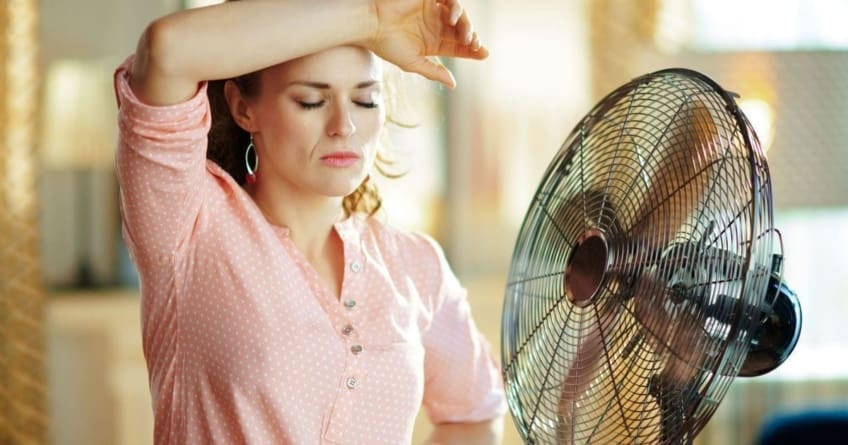
- Hot flashes. Hot flashes are the most common symptom of menopause. When you have a hot flash, you’ll feel warm from your chest to your head. These often happen in wave-like sensations. Your skin may turn red, and you may sweat. You may feel sick to your stomach and dizzy. You may also have a headache and feel like your heart is beating very fast and hard.
- Vaginal dryness. During and after menopause, the skin of your vagina and vulva (the area around your vagina) becomes thinner. Your vagina also loses its ability to produce as much lubrication (wetness) during sexual arousal. These changes can lead to pain during sex. You may need to help supplement vaginal moisture to make having sex less painful. You can use an over-the-counter water-based sexual lubricant (such as K-Y Jelly). Or you can use moisturizers for the vaginal area (such as Vagisil). You can also talk to your doctor about the benefits and risks of using prescription estrogen cream for vaginal changes. Topical estrogens are absorbed into the bloodstream and cause many of the same side effects as when they are taken by mouth. Estrogens used vaginally at very low doses will not protect against osteoporosis or stop the hot flashes caused by menopause. They can interact with other medicines and conditions.
- Urinary tract problems. You’re more likely to have bladder and urinary tract infections during and after menopause. Talk to your doctor if you have to go to the bathroom more often or feel an urgent need to urinate. Also let your doctor know if you feel a burning sensation when urinating or are not able to urinate.
- Headaches, night sweats, trouble sleeping, and tiredness. As you’re going through menopause, you may have trouble falling asleep or staying asleep. Night sweats may wake you up. You may not get enough rapid eye movement (REM) sleep (the stage of sleep during which you dream). A lack of REM sleep may make you feel tired, moody, and stressed out.
- Weight gain. Many people gain weight (an average of 5 pounds) during menopause. A healthy diet and exercising most, if not all, days of the week will help keep you fit.
Talk to your doctor if you have:
- A change in your monthly cycle
- Heavy bleeding
- Bleeding that lasts longer than usual
- Bleeding more often than every 3 weeks
- Bleeding after sexual intercourse
- Any blood spotting between periods
Does menopause have emotional symptoms?
Many people experience emotional symptoms during menopause. These symptoms may include sadness, anxiety, and mood swings. For some people, symptoms can be severe. If you find that you’re having emotional problems, talk to your family doctor.
When does menopause occur?
The timing of actual menopause is different for each person. The average age for a person to have their last period is about 51. But it’s normal for menopause to occur any time from age 40 to 59. A person often goes through menopause at about the same age as their mother.
You may stop having periods early (before age 40). If so, your doctor can do a blood test to see if you’re going through menopause. If you’re not, the doctor will look for another cause for your missed periods.
Menopause is a gradual process that can take several years. You haven’t fully reached menopause until you haven’t had a period for 12 months. (During this time, keep using birth control if you don’t want to become pregnant.)
People who have both ovaries removed during surgery will go through “surgical menopause” at the time of their surgery. If the uterus is taken out but the ovaries are not, a person will stop having periods, but they will not go through surgical menopause.
What causes menopause?
Menopause is a natural process of aging. It occurs as your ovaries stop producing the hormones that control menstruation. These hormones are estrogen and progesterone. Without these hormones, your body will no longer release an egg each month.
How is menopause diagnosed?
If you believe you are going through menopause and have concerns, talk to your doctor. Menopause does not require an official diagnosis unless you need to confirm it. Your doctor may order a blood test to check your hormone levels. They will check for estrogen as well as a follicle-stimulating hormone (FSH).
Can menopause be prevented or avoided?
Menopause cannot be prevented or avoided.
Menopause treatment
There isn’t a set treatment for menopause. There are ways to manage some of its symptoms. Talk to your doctor if you are struggling with hot flashes, if sex is painful, or if your emotions seem unbalanced.
What is hormone replacement therapy?
Hormone replacement therapy (HRT) is a treatment for menopause symptoms. It involves taking prescription, synthetic hormones (which are made in a laboratory rather than by the body). HRT can involve taking estrogen alone or estrogen combined with another hormone, progestin. Some people have found that HRT can relieve menopause symptoms. These symptoms include hot flashes, vaginal dryness, and some urinary problems. However, HRT is not for everyone. It does have its risks, including stroke, blood clots, and cancer. Recent studies suggest that for most people, the risks of using HRT may outweigh the benefits. Talk to your doctor about the risks and benefits of HRT.
The American Academy of Family Physicians (AAFP) recommends against the use of combined estrogen and progestin for the prevention of chronic conditions in postmenopausal women. The AAFP also recommends against the use of estrogen for the prevention of chronic conditions in postmenopausal women who have had a hysterectomy.
According to the AAFP, “This recommendation applies to postmenopausal women who are considering hormone replacement therapy for the primary prevention of chronic medical conditions. It does not apply to women who are considering hormone therapy for the management of menopausal symptoms, or to women who have had premature menopause (primary ovarian insufficiency), or surgical menopause.”
Are other treatments available?
Yes, other medicines may help ease some menopausal symptoms. These include estrogen cream, low-dose antidepressants, water-based topical creams, soy products, and certain herbal supplements. Discuss these options with your doctor. Topical HRT also is associated with some risks.
What are phytoestrogens?
Phytoestrogens are plant-based substances found in some cereals, vegetables, beans and other legumes, and herbs. They may work in the body like a weak form of estrogen. Researchers are studying whether phytoestrogens can be used to relieve some symptoms of menopause. They are also studying the side effects caused by these substances. Many soy products are good sources of phytoestrogens. These include tofu, tempeh, soymilk, and soy nuts. Some studies indicate that soy supplements may reduce hot flashes after menopause.
However, the results haven’t been consistent. There is not enough scientific evidence to recommend the use of herbs that contain phytoestrogens to treat symptoms of menopause. This is also true of pills and creams made with these herbs. In addition, not enough is known about the risks of using these products. Herbs and supplements are not regulated like medicines. Some herbs and supplements can be harmful when combined with certain medicines. If you’re considering using any natural or herbal products to ease your symptoms, talk to your doctor first.
Living with menopause
Living with menopause is easier for some people than others. It depends on the severity of your symptoms. Use these tips to help ease symptoms and to learn more about how to deal with menopause.
Should I avoid certain foods or drinks during menopause?
If you have hot flashes, you may want to avoid spicy or hot foods and drinks. These can trigger hot flashes. Alcohol can trigger hot flashes, too. It also interferes with bone growth and calcium absorption. People who are going through menopause should avoid or limit alcohol.
Can my diet affect how well I sleep?
The following tips can help reduce sleep problems:
- Eat regular meals at regular times.
- Avoid late-night meals and heavy late-night snacks.
- Limit caffeine, which is found in coffee, tea, chocolate, and cola drinks. Caffeine stays in the bloodstream for up to 6 hours and can interfere with sleep.
- Avoid alcohol. It may make you feel sleepy, but it affects the cycle of REM and non-REM sleep. This may cause you to wake up throughout the night.
Help for hot flashes
- Turn your thermostat down. Sleep in a cool room.
- Dress in layers, so you can remove clothing when you get too warm.
- Wear cotton and other natural fabrics that “breathe” so you don’t get overheated. Use cotton sheets on your bed.
- Drink cool water or other beverages when a hot flash starts.
- Get plenty of exercise.
- Find out what triggers your hot flashes and avoid them. Spicy foods, alcohol, tight clothing, and hot, humid weather are some common triggers.
How does menopause affect bone health?
The older a person is, the greater their risk of osteoporosis. A person’s risk becomes even greater when they go through menopause. When your estrogen level decreases during menopause, you lose more bone than your body can replace. This makes your bones weaker and more likely to break. To keep your bones strong, it’s important to get enough calcium and vitamin D in your diet. These help your body absorb calcium. Your doctor can suggest ways to get more calcium through food, drink, and, possibly, a calcium supplement. They may also suggest that you take a vitamin D supplement to help your body process calcium. Ask your doctor what amount of daily calcium and vitamin D is right for you.
How does menopause affect heart health?
People are more likely to develop heart disease after menopause. Lower estrogen levels may be part of the cause. It also could be that other health issues that are more common as people get older. These include gaining weight, becoming less active, and developing high blood pressure or diabetes. You can reduce your risk of these health problems by eating a variety of healthy, nutrient-rich foods. It also helps to stay active and maintain an appropriate weight.
How does menopause affect iron levels in my blood?
If you are still having periods as you go through menopause, you may continue to be at risk of a low iron level. This is especially true if your bleeding is heavy, or you spot between periods. This can lead to anemia. Talk with your doctor about the amount of iron that’s right for you. Good sources of iron include spinach, beans, and meat. Your doctor may also suggest that you take an iron supplement.
Questions to ask your doctor
- Do my symptoms indicate that I might be going through menopause?
- My menstrual cycle is irregular. Could it be caused by something other than menopause?
- I’m uncomfortable and/or don’t feel well. Is there a way to safely treat my symptoms?
- I’ve heard that soy products or herbal supplements may help. Are these effective? Are they good options for me?
- Am I a candidate for hormone replacement therapy?
- What are the risks and benefits of hormone replacement therapy?
- Am I at risk for heart disease or osteoporosis?
- Do I need any tests, such as bone density screening?
- Now that I’m going through menopause, what changes, if any, should I make to my diet and exercise?
Resources
National Institutes of Health, MedlinePlus: Menopause
National Institutes of Health, National Institute on Aging: What Is Menopause?
U.S. Department of Health & Human Services, Office on Women’s Health: Menopause treatment

Copyright © American Academy of Family Physicians
This information provides a general overview and may not apply to everyone. Talk to your family doctor to find out if this information applies to you and to get more information on this subject.