





What is bacterial endocarditis?
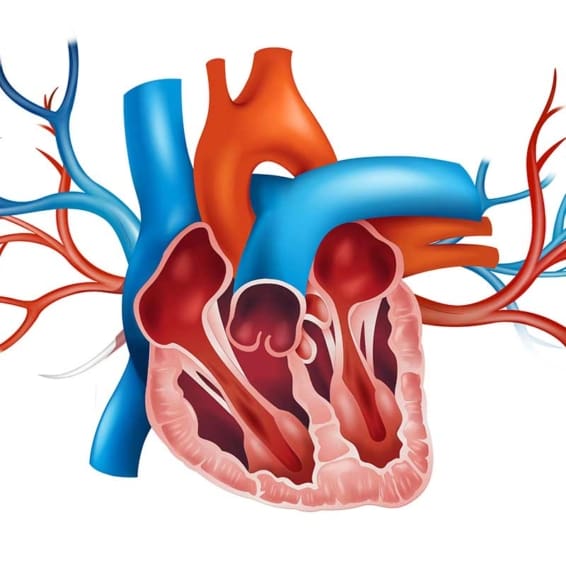
Bacterial, or infective, endocarditis (BE) is a type of infection. It occurs in the valves and inner lining of your heart (called the endocardium). BE is not common but can happen if bacteria from another part of your body enter your bloodstream.
BE can be acute or chronic. Acute BE happens quickly and can get worse fast. If left untreated, it can be life threatening. Chronic BE happens over time. It may take weeks or months to notice symptoms.
Symptoms of bacterial endocarditis
Fever, chills, and other flu-like symptoms may be signs of acute BE. You also may have a fast, slow, or irregular heartbeat. Symptoms of chronic BE can include fatigue and unexplained weight loss.
What causes bacterial endocarditis?
Although BE can occur in anyone, some people are at greater risk. This includes people who have:
- A diagnosed heart valve problem
- A heart defect or heart murmur
- A past surgery on heart valves
- An artificial heart valve
- A heart transplant
- A history of intravenous drug use (drug use that involves needles)
- A history of endocarditis
If you have one of these factors, talk to your doctor about your risk of BE. Dental work, including a teeth cleaning, and some medical procedures, such as a colonoscopy, can increase the risk of bacteria entering your bloodstream.
How is bacterial endocarditis diagnosed?
Your doctor may suspect you have BE based on your symptoms and health history. They will need to do tests to diagnose it. These include blood tests and an echocardiography (echo). An echo test checks your heart using ultrasound.
Can bacterial endocarditis be prevented or avoided?
You cannot always prevent BE. However, you should talk to your doctor if you are at risk. If you need to have dental work or a procedure, you may need to take an antibiotic first. Doing so can keep bacteria from getting into your bloodstream.
Bacterial endocarditis treatment
Antibiotics are the main treatment for BE. They often are given intravenously (through an IV) in the hospital. You may be able to finish treatment at home. Severe cases of BE may require heart surgery.
Living with bacterial endocarditis
A possible side effect of BE is heart failure. This occurs when your heart has a hard time pumping blood. Other complications of BE include damage to your heart muscles, blood clots, and an abnormal heartbeat. If BE isn’t treated, it can lead to death.
Questions to ask your doctor
- Am I at risk for bacterial endocarditis?
- How can I make sure that health care workers, including my dentist, know about my risk for BE?
- Do I need to take antibiotics? If so, for how long?
- Will antibiotics interact with other medicine(s) I take?
- Does BE increase my risk for other long-term health problems?

Copyright © American Academy of Family Physicians
This information provides a general overview and may not apply to everyone. Talk to your family doctor to find out if this information applies to you and to get more information on this subject.