




What is Lyme disease?
Lyme disease is a bacterial infection that is caused by a tick bite. It was first recognized in 1975 when large numbers of children around the town of Lyme, Connecticut, were being diagnosed with juvenile rheumatoid arthritis. Researchers investigated and found that tick bites were causing the illnesses.
Lyme disease is carried by black-legged ticks (sometimes called deer ticks). These ticks are typically about the size of a sesame seed. They live mostly in certain areas of the country:
- Northeast and mid-Atlantic (northeast Virginia to Maine)
- North central states (mostly Wisconsin and Minnesota)
- West Coast (mostly northern California)
However, Lyme disease can be found in other parts of the United States. While you are more likely to get it in the above regions, cases of Lyme disease were reported in almost every state in 2017. The disease is also found in Europe, Asia, and Australia.
What are the symptoms of Lyme disease?
Early symptoms (3 to 30 days after a tick bite):
- Fever
- Chills
- Headache
- Fatigue
- Joint and muscle aches
- Rash
- Swollen lymph nodes
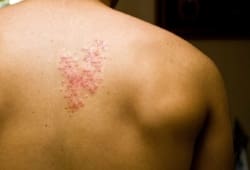
The rash is a telltale sign of Lyme disease. It usually starts at the site of the tick bite. It expands gradually over a few days. It can reach up to 12 inches across or more. The center may fade, creating a “bull’s eye” or target appearance. The rash may feel warm to the touch.
Some people with Lyme disease do not get the bull’s-eye rash. They may have many red spots instead. Others don’t get a rash at all. Around 75% of people with Lyme disease get a rash.
Later symptoms (days to months after a tick bite):
If Lyme disease isn’t treated, it can spread to other parts of the body. Late-stage symptoms include:
- Headaches
- Neck stiffness
- Arthritis (painful, swollen joints)
- Additional rashes
- Facial palsy (face muscles droop)
- Irregular or slow heartbeat
- Numbness in arms or legs
- Inflammation of the brain and spinal cord
- Changes in mood or sleep habits
- Short-term memory problems
- Nerve pain
It is normal to have a small bump or red spot where a tick bit you. This does not mean you have Lyme disease. It usually goes away in a day or two.
What causes Lyme disease?
People get Lyme disease when they are bitten by an infected tick. Ticks live in areas with a lot of plant life, such as wooded areas or fields. They sit near the top of grassy plants and low bushes. They wait there for people or animals to brush up against them. Ticks can crawl on your clothes or body for up to several hours or more before attaching to the skin.
Ticks can attach to any part of your body. They are usually found in hard-to-see areas, including the armpits, groin, or scalp. An infected tick needs to be attached to your skin for 36 to 48 hours before it passes the bacteria on to you.
People who spend time in outdoor areas where ticks are common are at higher risk of getting tick-borne diseases.
How is Lyme disease diagnosed?
It can be difficult to diagnose Lyme disease. The ticks that carry it are very small and the bites don’t hurt. Many patients don’t remember being bitten. In addition, most of the symptoms are common with other illnesses.
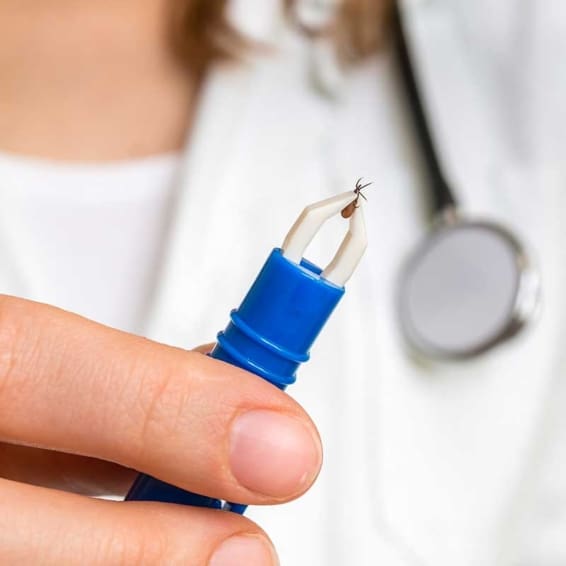
If you find a tick in your skin, use tweezers to remove it immediately. Then wait a few days to see if you develop any symptoms. If you do, call your family doctor. Your doctor will ask you about your symptoms. They will look at the bite and check for a rash. They may order a blood test. But those aren’t always necessary to make the diagnosis. They can often give false results, especially in early-stage Lyme disease.
People who have joint swelling or nervous system problems may need to have special tests. Your doctor may need to take some fluid from the swollen joint or the spine to check for clues to your condition.
If you have been sick for 4 weeks or more, call your doctor. They can give you a blood test at this stage. It will tell you if you have Lyme disease.
Can Lyme disease be prevented or avoided?
The best way to prevent Lyme disease is to avoid being bitten by ticks. When you are outdoors, follow these guidelines:
- Avoid areas that are wooded, brushy, or have tall grass.
- Walk in the center of trails.
- Use an insect repellent with at least 20% DEET. It can be put on clothing or sparingly on the skin. Don’t apply it to the face or hands of children.
- Treat clothing, tents, or other gear with repellents containing 0.5% permethrin.
- Wear light-colored clothing. This makes it easier to see and remove ticks from your clothes.
- Wear a long-sleeved shirt and long pants. Tuck your pant legs into your socks or boots for added protection.
After you get home, check everything and everyone for ticks.
- Bathe or shower as soon as you can to wash off any ticks that have not attached to you.
- Check your entire body for ticks. Use a mirror for places you can’t see. Check your children and your pets. Common tick locations include the back of the knees, groin area, underarms, ears, scalp, and the back of the neck.
- Check any gear you used, including coats, backpacks, or tents.
Tumble dry clothes or blankets on high heat in the dryer for 10 to 15 minutes. This should kill any ticks. If clothes are dirty, wash them in hot water and dry on high heat for 60 minutes.
Lyme disease treatment
What do I do if I find a tick on my skin?
Don’t panic. Use fine-tipped tweezers to grasp the tick as close to the skin’s surface as possible. Pull up with steady, even pressure. Be careful not to squeeze or twist the tick body. Sometimes parts of the tick remain in the skin. You can leave them alone or carefully remove them the same way you would a splinter. Do not use heat (such as a lit match), petroleum jelly, or other methods to try to make the tick “back out” on its own. These methods are not effective.
Wash the area where the tick was attached thoroughly with soap and water. Keep an eye on the area for a few weeks and note any changes. Call your doctor if you develop a rash around the area where the tick was attached. Be sure to tell your doctor that you were bitten by a tick and when it happened.
How is Lyme disease treated?
Lyme disease is treated with antibiotics. In most cases, people bitten by a tick are given antibiotics only if they are sick or have a rash. If you are bitten by a tick but don’t get sick or get a rash, you don’t need antibiotics.
Early-stage Lyme disease responds very well to treatment. In most cases, taking an antibiotic for 2 to 4 weeks kills the bacteria and clears up the infection. Your doctor will tell you how long to take the antibiotic. It’s important to take all the medicine your doctor prescribes. This will prevent the spread of Lyme disease to your joints, nervous system, or heart. If you have problems with the medicine, do not quit taking it. Call your doctor and talk to them about your side effects.
Late-stage Lyme disease is also treated with antibiotics. It may be necessary to give the antibiotics intravenously (through an IV) at this stage. Medicine that reduces swelling and pain can ease arthritis associated with late-stage Lyme disease. If necessary, excess fluid can be drained from any affected joints.
Living with Lyme disease
Most people treated in the early stages of Lyme disease make a quick and complete recovery. Some may experience symptoms for a few weeks after treatment. If you were treated for Lyme disease but you still don’t feel well, call your family doctor. They can make sure there isn’t something else wrong. They can help you find ways to ease your symptoms. Some patients have found relief with treatments typically used for chronic fatigue syndrome or fibromyalgia.
Other things you can do to help manage Lyme disease include:
- Educate yourself. There is a lot of inaccurate information to be sorted through, especially on the internet. Ask your doctor if you have questions.
- Track your symptoms. Keep a diary of your sleep patterns, eating habits, exercise routines, and how you’re feeling. You or your doctor may be able to make connections between them.
- Take care of yourself. Eat a healthy diet. Exercise as regularly as you can. Get plenty of rest.
- Find support.It can be hard to not feel well and not know why. Some people may think your symptoms aren’t real. Talk to friends and family. If they can’t offer support, talk with a counselor who can help you.
Questions to ask your doctor
- I found a tick embedded in my skin, but I can’t get it out. What should I do?
- I’ve been bitten by a tick. Do I need to be seen?
- Do I need a blood test to confirm Lyme disease?
- Which antibiotic is best for me?
- How long will I have to take the antibiotic?
- What tick or insect repellent should I use for me or my child?
- How long will the symptoms last?
- What should I do if I still don’t feel well a long time after I was bitten?

Copyright © American Academy of Family Physicians
This information provides a general overview and may not apply to everyone. Talk to your family doctor to find out if this information applies to you and to get more information on this subject.