-

Bug Bites
Most bug bites are harmless, but they do cause discomfort. In rare cases, certain bug bites can be deadly.
-
Burns: Preventing Burns in Your Home
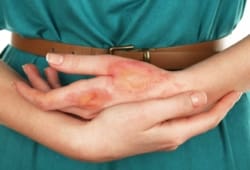
Fires and other accidents at home can result in burns to you or a family member. Be prepared now and…
-
Cardiopulmonary Resuscitation (CPR)
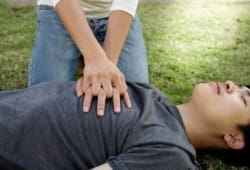
CPR, or cardiopulmonary resuscitation, is done when a person isn’t breathing or their heart has stopped. It can save a…
-
Caring for Your Incision After Surgery
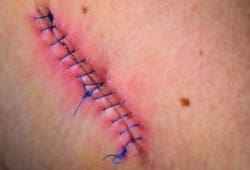
Taking care of your incision after surgery is important to your health. It can reduce the risk of infection and…
-
Cast Care
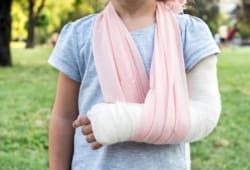
Having to wear a cast isn’t necessarily enjoyable — or comfortable. But taking proper care of your cast may mean…
-
Choosing Safe Baby Gear
Having a baby means you’ll need a lot of baby gear. First, do your research to ensure everything you buy…
-
Dehydration
Dehydration is when your body doesn’t have enough fluids to work properly. It happens when you lose more fluids than…
-
Disinfecting Your Home
Cleaning your home isn’t just for looks. Cleaning and disinfecting your home are important for reducing the spread of germs and bacteria that cause infection and illness. Path to caring for a healthy home Many people recognized the importance of disinfecting their homes…
-
Falls: How to Lower Your Risk
A fall at an older age can have serious consequences to your health and independence. Reduce your risk for falling…
-
Fireworks Safety
Many people love to shoot off fireworks. But it’s a risky activity. That’s why it’s important to do everything you…
-
How to Survive an Extended Power Outage with Home Medical Equipment
Electricity is something we take for granted. When you depend on electricity to power medical equipment and medicine at home,…
-
How to Treat Common Household Injuries
Cuts, scrapes, and even burns are common household injuries. Most of the time, these injuries are minor and can be…
-
Infant CPR/Choking
Quick response is crucial when performing CPR on children or helping a child who is choking.
-
Injury Prevention: The Proper Way to Store Cleaning Supplies
According to the National Capital Poison Center, household cleaning supplies—including kitchen cleaners and liquid laundry packets—are the second most common exposure to poison among children under 6 years of age. And since the COVID-19 outbreak, cleaning has been on the rise…
-
Knee Bracing: What Works?
Knee braces are supports to be worn when you have pain in your knee or to prevent injury. Some doctors…
-
Lifting Safety: Tips to Help Prevent Back Injuries
Back injuries are common in everyday life. Follow these tips to lift safely and avoid back injuries.
-
Post-Traumatic Stress After a Traffic Accident
Learn about post-traumatic stress after a car accident and how your doctor can help you deal with it
-
Sore Muscles from Exercise
Exercise is an important part of a healthy, active lifestyle. It improves your heart and lungs and builds strong bones…
-
What do I need in my first aid kit?
A well-prepared first aid kit is an important tool in treating minor injuries that commonly occur at home and when…
All articles in First Aid and Injury Prevention
Sort By: