


What is metabolic dysfunction-associated liver disease (MASLD)?
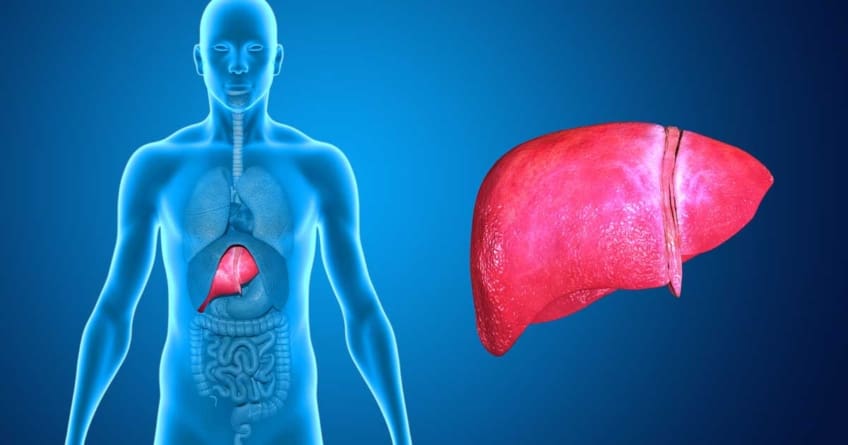
Metabolic dysfunction-associated liver disease (MASLD), formerly known as nonalcoholic fatty liver disease, is a buildup of fat in the liver. It is a common condition. MASLD can be harmless, but sometimes it may cause the liver to swell. Over time, this swelling can cause scarring in your liver (cirrhosis). The more scarring your liver has, the worse it functions.
Symptoms of MASLD
Many people do not have any symptoms of MASLD. If you have MASLD, you may feel fullness or pain in the middle or upper right side of the abdomen. You may feel extremely tired. Your belly may be swollen. You may have yellowing of your skin and eyes.
If your MASLD has progressed to cirrhosis, you may have more serious symptoms including fluid retention, internal bleeding, and mental confusion.
What causes MASLD?
Doctors don’t know exactly what causes MASLD. They do know that MASLD is linked to insulin resistance. Insulin resistance is when your body doesn’t respond well to insulin. This makes it more difficult for your body to regulate blood sugar.
It is not caused by drinking alcohol.
How is MASLD diagnosed?
To diagnose MASLD, your doctor may check your blood and order a scan of your liver. If your doctor thinks you may have a more severe liver disease, you may need a liver biopsy. In this procedure, your doctor inserts a needle through your skin and removes a small piece of tissue from your liver. This tissue is looked at under a microscope to check for signs of severe liver disease.
Can MASLD be prevented or avoided?
A wide range of things can increase your risk of MASLD, including certain medicines and genetic disorders. The most common risk factors for MASLD are obesity, diabetes, and high cholesterol levels.
MASLD treatment
People who have MASLD usually do not need treatment. The most important thing is to focus on what has caused your MASLD. Losing weight gradually (1 to 2 pounds per week) may reduce the amount of fat in your liver. However, losing weight quickly may make MASLD worse. Ask your doctor for advice on how to lose weight in a safe and healthy way. If your cholesterol and blood sugar levels are high, your doctor may give you medicine to lower them. If a medicine you take is causing your MASLD, your doctor may consider switching you to a different medicine.
There are some oral (taken by mouth) medicines that may help with MASLD. However, there is limited success without addressing obesity and weight loss.
Living with MASLD
For most people, MASLD is harmless and does not cause serious health problems. MASLD usually does not affect how well the liver works. However, in rare cases, MASLD may stop the liver from working as it should. Although rare, liver transplants have increased significantly in recent years as a result of MASLD. No one can tell for sure who will have liver problems from MASLD. It is more likely to happen in people who have diabetes or who are very overweight.
Questions to Ask Your Doctor
- What is the best treatment for me?
- What complications can I expect?
- What changes should I make to my diet?
- What exercises are good for me?
- Are there any medicines I should take?
- Will I have any liver damage?
- How quickly should I lose weight?
- What is causing my MASLD?
- Should I stop drinking alcohol?
- Are there any medicines I should avoid taking?
Resources
American Association for the Study of Liver Disease: New NAFLD Nomenclature

Copyright © American Academy of Family Physicians
This information provides a general overview and may not apply to everyone. Talk to your family doctor to find out if this information applies to you and to get more information on this subject.