
 Deepak S. Patel, MD, FAAFP, FACSM
What are varicose veins?
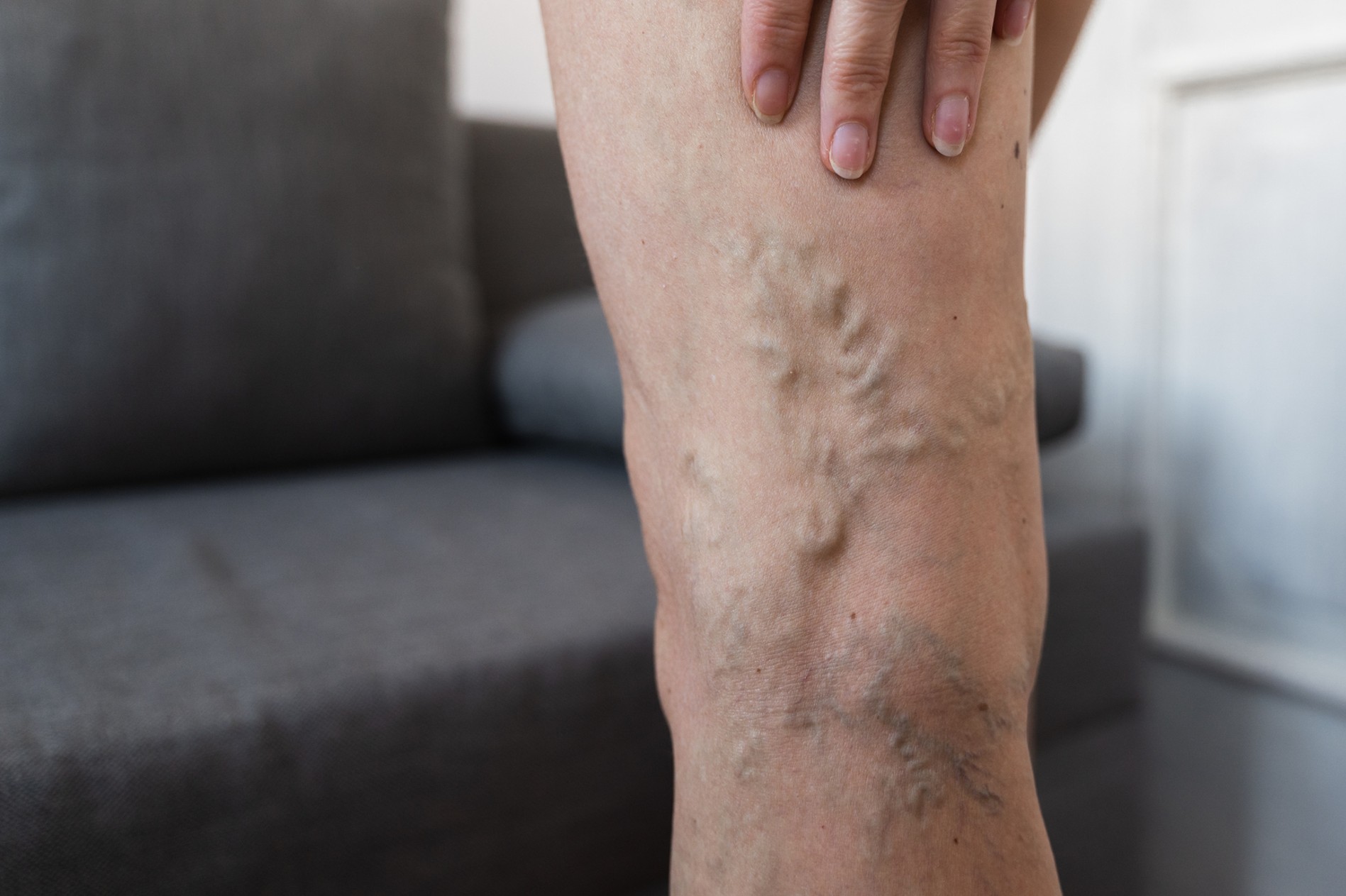
Varicose veins are damaged, swollen veins located just under the surface of the skin. They are often dark blue or purple and may be twisted or bulging. Varicose veins are most commonly found on the legs. They are often more than just a cosmetic issue. While they frequently signal an underlying disease process, there are some cases in which they are primarily a cosmetic concern.
What causes varicose veins?
Veins contain one-way valves that help keep blood flowing back to the heart. When veins become weak or damaged, it causes the blood to back up, pool inside the veins and make the valve even less effective. Over time, this creates swelling and increased pressure causing varicose veins to develop.
Varicose veins are more common in women than men and can run in families. The risk of varicose veins increases with age and is more likely to develop if you are overweight or obese. Pregnancy is another common cause of varicose veins.
Symptoms of varicose veins
Varicose veins are not dangerous, and many people have little or no symptoms. Other people may experience any of the following symptoms:
- Feeling of heaviness or tiredness in the legs
- Aching or throbbing where varicose veins are located
- Swelling of the feet, ankles and lower legs
- Itchy skin near damaged veins
- Nighttime leg cramps
- Restless legs
- Skin changes, such as redness, irritation or sores
Symptoms may get worse when you sit or are on your feet for long periods of time.
Sponsored Video from the Society for Vascular Surgery
Talking with Your Doctor About
Vascular Disease
Foot pain, leg swelling, high blood pressure, high cholesterol and smoking can all be signs of or risk factors for vascular disease, a condition that often goes unnoticed but can become serious. Learn why a simple conversation with your doctor can be a small step that makes a big difference for your long-term vascular health.
Varicose veins diagnosis
Your doctor will diagnose varicose veins through a physical exam. Your doctor will also ask about your symptoms, family history, activity and lifestyle. Sometimes, an ultrasound may be performed to check blood flow in the veins.
How to get rid of varicose veins
Varicose veins are very common. Symptoms may come and go, but varicose veins are a long-term condition. The goal of varicose vein treatment is to relieve symptoms, keep varicose veins from getting worse, improve appearance and prevent complications.
Treatment for most people with mild symptoms includes:
- Elevate and support the legs periodically throughout the day
- Wear compression stockings
If you have varicose vein symptoms, you may want to ask your doctor if a vascular surgeon is right for you. Depending on the severity of symptoms or if you don't like the way varicose veins look, your doctor may recommend a procedure to help remove or diminish the appearance of varicose veins. This could include surgery, laser therapy or injection therapy.
Your doctor may also recommend lifestyle changes to improve symptoms or prevent varicose veins from getting worse.
- Maintain a healthy weight
- Stay physically active
- Avoid sitting or standing for long periods of time
- Quit smoking
Questions to ask your doctor
- What is the likely cause of my varicose veins?
- Will varicose veins go away with treatment?
- What lifestyle changes can I make to help get rid of varicose veins?
- Do varicose veins put me at risk for long-term health problems?
- Do varicose veins cause blood clots?
ADVERTISEMENT
ADVERTISEMENT
Explore More