




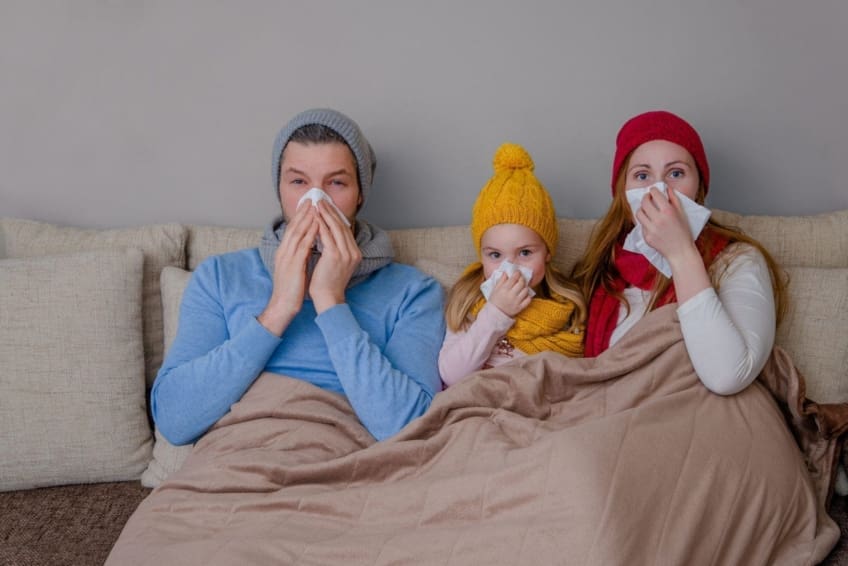
Influenza (also called “the flu”) is a viral infection in the nose, throat, and lungs. About 10% to 20% of Americans get the flu each year. Some people can get very sick and even die from the virus, so it is important to know good ways to help prevent the flu in your home.
The flu may cause fever, a cough, a sore throat, a runny or stuffy nose, headaches, muscle aches, and tiredness. Most people feel better after 1 to 2 weeks. However, for some people, the flu leads to serious diseases, such as pneumonia and even death.
Path to Improved Health
You can help prevent the flu by washing your hands frequently, which stops the spread of germs. Eating healthy, exercising, and getting enough sleep also play a part in reducing your risk of catching the flu as these habits help boost your immune system.
While you should follow the guidelines above, the best way to avoid getting really sick from the flu is to get the flu vaccine every year. You should get the vaccine as soon as it becomes available each fall. You also can get it any time throughout the flu season (usually until March). The vaccine is available by shot or by nasal spray (LAIV4).
Vaccines work by exposing your immune system to an inactive (killed) form of the flu virus. Your body will build up antibodies to the virus to protect you from getting the flu. The nasal spray vaccine contains active but weakened viruses. You cannot get the flu from the flu shot or the nasal spray vaccine.
The flu vaccine is safe. There are very few side effects. After receiving the flu shot, your arm may be sore for a few days. You may have a low-grade fever, feel tired, or have sore muscles for a short time. If you received the nasal spray vaccine, you may have a runny nose, headache, cough, or sore throat.
Who should get a flu shot?
All persons who are six months of age or older should get the flu vaccine. Also, women who will be pregnant during flu season should get the vaccine. Pregnancy can increase your risk for complications from the flu. It is also safe to get the flu shot while breastfeeding your baby. The flu shot cannot cause your nursing baby to get sick.
There are some people who should ask their doctor before getting the flu shot:
- People who have had a severe allergic reaction to a flu vaccine in the past
- People who have an allergy to eggs
- People who previously developed Guillain-Barré Syndrome (a reversible reaction that causes partial or complete loss of movement of muscles, weakness, or a tingling sensation in the body) within six weeks of getting a flu vaccine
- Children younger than six months of age
Women who are pregnant during flu season cannot get the nasal spray vaccine.
Things to Consider
Some people who get the flu shot still get the flu. Each year, the flu vaccine contains different strains (kinds) of the virus. The strains chosen are those that scientists believe are most likely to show up in the United States that year. If the choice is right, the vaccine can be as much as 70% to 90% effective in preventing the flu in healthy adults. If you get the flu after being vaccinated, your flu symptoms may be milder than if you didn’t get the vaccine. The flu shot also will help you reduce your risk of complications from the flu.
Also, if you get the flu, you may be able to take antiviral flu drugs. These are prescription medicines that can be used to help treat the flu. If you take one of these drugs within two days of getting sick, it can lessen your symptoms, decrease the amount of time you are sick, and make you less contagious to other people. However, most healthy people who have the flu get better without using an antiviral flu drug. Your doctor will decide whether one of these medicines is right for you.
If you do get sick, stay home and try to isolate from others. If you are around others, cover your mouth when you cough and wash your hands often to prevent spreading the flu.
Who is at higher risk of complications from the flu?
The following people have a higher risk of flu complications.
- Young children, especially those younger than two years of age
- Adults 65 years of age and older
- All women who are or will be pregnant during the flu season
- People who are living in nursing homes or long-term care facilities
- Individuals who have long-term health problems
For more information about the flu vaccine, you can call the Centers for Disease Control and Prevention’s National Immunization Information Hotline at these numbers:
- 1-800-232-2522 (English)
- 1-800-232-0233 (Spanish)
Questions to Ask Your Doctor
- Are there any vitamins or supplements I can take to help prevent the flu?
- When is it too late in the year to get the flu vaccine?
- Should I still get the flu vaccine if I’ve already had the flu?
- What side effects might come with the flu vaccine?
- Should I get the flu vaccine if I’ve ever had a reaction to a flu shot?
- If I decide not to get the flu vaccine, does that put me at risk for any complications if I later get the flu?
Last Updated:
This article was contributed by familydoctor.org editorial staff.


Copyright © American Academy of Family Physicians
This information provides a general overview and may not apply to everyone. Talk to your family doctor to find out if this information applies to you and to get more information on this subject.