
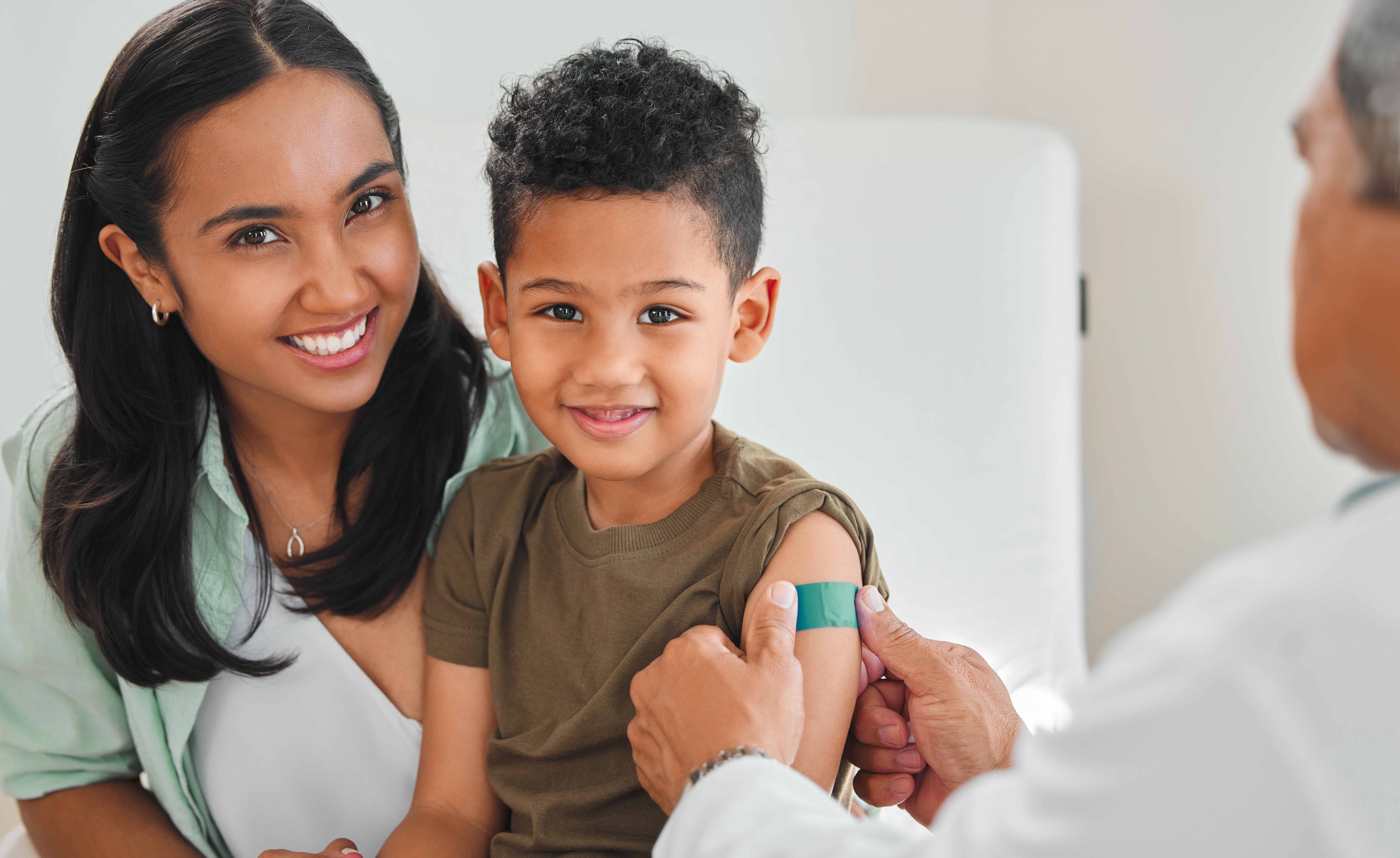
The Importance of Vaccinations
 Kyle Bradford Jones, MD, FAAFP
Vaccines are an important part of family and public health. They slow the spread of contagious, dangerous and deadly diseases, and are a key part of preventive health care. Vaccines are available for measles, polio, mumps, chicken pox, whooping cough, diphtheria, HPV, COVID-19 and more.
By being vaccinated, you help prevent yourself and your community from getting a disease that could be prevented. When fewer people get vaccinated, more people get sick. That’s why it’s important to follow your family physician’s guidance for when to get vaccinated and what vaccines you need as an adult.
What are vaccines?
A vaccine (or immunization) is a way to build up your body’s natural defense against a disease before you get sick, so it’s harder to get seriously ill and spread germs. Vaccines are recommended for infants, children, teenagers and adults.
There are widely accepted immunization schedules that list what vaccines you need and at what ages. Most vaccines are given to children, since it’s recommended they receive 12 different vaccines by their sixth birthday. Some come in a series of shots, and some are combined so you don’t have to take as many trips to the doctor.
Why do vaccines matter?
Some illnesses, like the common cold, are fairly mild. But others, like COVID-19, smallpox or polio, can cause life-altering symptoms, lingering health problems and even death. That’s why it’s so important to take steps to prevent your body from getting sick.
The American Academy of Family Physicians (AAFP) believes that vaccination is essential to preventing contagious diseases from spreading, especially for people like young children and older adults who are more likely to suffer serious effects. The AAFP offers vaccine recommendations, immunization schedules and more information about vaccines for specific diseases.
How do vaccines work?
Vaccines work by teaching your immune system to recognize and respond to germs that can cause disease. Some vaccines use a weakened or inactive form of a germ. Others use only a small part of a germ, or a harmless version of a toxin made by a germ. Some newer vaccines, such as mRNA or viral vector vaccines, give your cells instructions to make a harmless piece of a germ so your immune system can learn to recognize it. No matter the type, the goal is the same: to help your body build protection without the risks of getting seriously sick from the disease itself.
What is immunity?
Your body builds a defense system to fight germs that could make you sick or hurt you. It’s called your immune system. To build up your immune system, you have to be exposed to different germs. When your body sees a germ for the first time, it makes antibodies to fight it. But that takes time, and you usually get sick before enough antibodies build up. But once you have antibodies, they stay in your body. So, the next time you’re exposed to that germ, the antibodies will attack it and you won’t get sick.
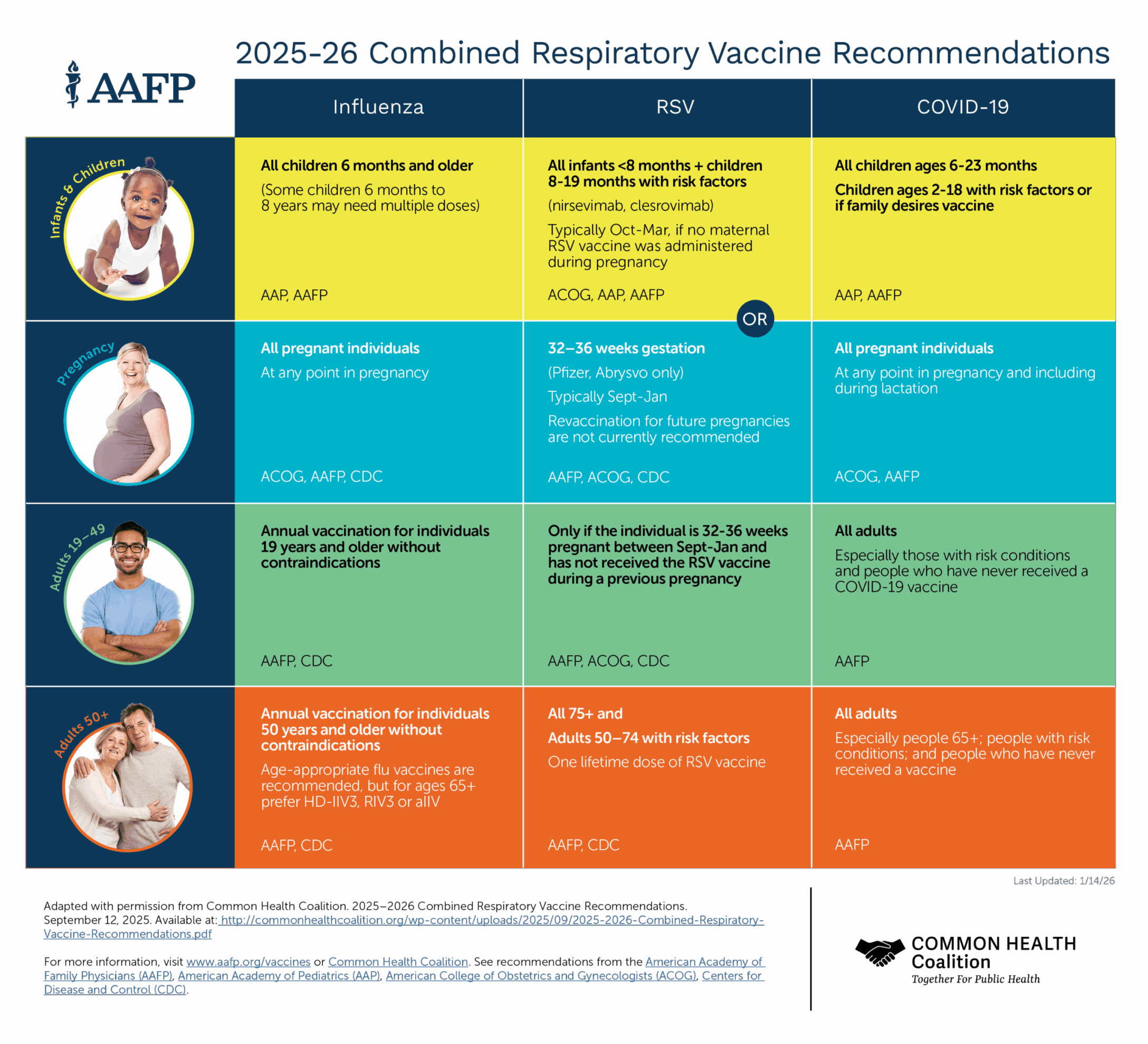
Is there anyone who can’t get vaccinated?
Some people with certain immune system diseases shouldn’t get some types of vaccines. They should speak with their health care providers first. There’s also a small number of people who don’t respond to a particular vaccine.
Because these people can’t be vaccinated, it’s very important everyone else around them does. This helps preserve the “herd immunity” for the majority of people, because if most people are immune to a disease because of vaccinations, that disease will stop spreading.
What happens when vaccination rates drop?
If we stopped vaccinating people, diseases would start coming back. Besides smallpox, all other diseases we’ve pushed out with vaccinations are still active in some part of the world. If we don’t keep enough immunized, there will be flare ups and epidemics just like there used to be.
This happened in Japan in the 1970s. They had a good vaccination program for whooping cough that covered around 80% of Japanese children. In 1974, there were 393 cases of whooping cough and no deaths. Then rumors began that the vaccine was unsafe and wasn’t needed, and by 1976, only 10% of children got the vaccine. In 1979, a whooping cough epidemic killed 41 people and made more than 13,000 people sick. Soon after, vaccination rates improved, and the number of cases went back down.
Are there vaccine side effects?
There can be side effects after you or your child get a vaccine, and they’re usually mild. They include redness or swelling near where you get the shot and, for children, sometimes a low fever. These symptoms usually go away in a day or two. More serious side effects are rare. Questions about vaccine ingredients are common, and vaccines contain ingredients in amounts that are not harmful in vaccine doses.
It usually takes years of development and testing before a vaccine is approved as safe and effective. However, when there’s a global health emergency like the COVID-19 pandemic, vaccine research, development and production can be sped up.
Scientists and doctors at the U.S. Food and Drug Administration (FDA) study the research before approving a vaccine. They also inspect places where the vaccines are produced to make sure all rules are being followed. After the vaccine is released to the public, the FDA keeps checking that its benefits far outweigh any potential side effects.
Vaccine misinformation
It’s normal to have questions about vaccines, especially when there’s so much information (and misinformation) online. The best way to cut through the noise is to rely on trusted, evidence-based sources and talk with your family physician.
Research has repeatedly found that vaccines are not linked to autism. Studies also show that vaccines do not overload a child’s immune system. Children’s immune systems respond to many bacteria and viruses every day, and the amount they get in vaccines is small by comparison.
Vaccines are mostly water, and they do not contain full-strength, live viruses that could give you the disease they are meant to prevent. Mild symptoms, such as soreness or a low fever, can happen after vaccination and usually go away on their own.
If you have concerns about vaccine safety or which vaccines are recommended for you or your child, your family physician can help you make an informed decision.
Questions to ask your doctor
- Why does my child need to be vaccinated?
- What are the possible side effects of the vaccination?
- What do I do if my child experiences a side effect from the vaccine?
- What happens if my child doesn’t get all doses of the recommended vaccines? Will he or she be able to go to daycare or school?
- We missed a vaccination. Can my child still get it late?
- Are there new vaccines that aren’t on the immunization schedules for kids?
- What should I do if I don’t have health insurance, or my insurance doesn’t cover vaccinations?
- What vaccinations do I need as an adult?
- Why do some people insist they became sick after getting the flu vaccine?
ADVERTISEMENT
ADVERTISEMENT
Related Articles