





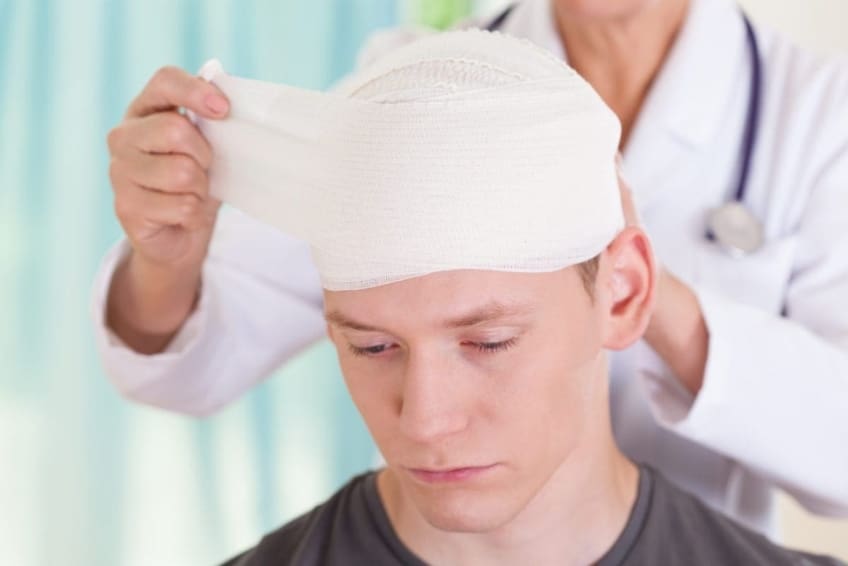
What is a traumatic brain injury?
A traumatic brain injury (TBI) is any sudden injury to your brain. It happens when a bump, blow, jolt, or other injury damages the brain. It can occur from a strong or violent strike to your head.
TBIs can be mild, moderate, or severe, depending on how much damage there is. Concussions are a mild form of TBI. Mild forms cause temporary symptoms that usually go away a few days or weeks after the injury. The most severe TBIs can cause permanent brain damage, coma, or death.
Symptoms of a traumatic brain injury
Some symptoms of a traumatic brain injury happen immediately after the traumatic event. Others may not appear for several days or weeks.
For a mild injury, it’s normal to feel dizzy, nauseated, or have a headache. Other mild symptoms include:
- Ringing in your ears
- Neck pain
- Blurry vision
- Confusion
- Slow reflexes
- Brief loss of consciousness
These mild symptoms usually go away after a few days or weeks.
In addition to these symptoms, moderate or severe TBIs may include:
- Lasting nausea or vomiting
- Lasting headache
- Dilated (larger than normal) pupils
- Trouble waking up, walking, or speaking
- Slurred speech
- Weakness or numbness in your arms or legs
- Drainage of bloody or clear fluids from your ears or nose
- Seizures
These types of TBIs are serious and can have lasting effects. Your mood can change, making you feel angry, anxious, or sensitive. Short-term memory can be affected, as well as your ability to think and focus. You may have trouble controlling your impulses.
Always seek medical care if you have hit your head. If your symptoms are severe, call 911 or go to the emergency room. Contact a doctor if someone you know has a head injury and acts strange.
What causes a traumatic brain injury?
There are many things that can cause a traumatic brain injury. Many TBIs occur in motor vehicle accidents. Others can happen as a result of:
- Falls
- Assaults
- Sports or recreation injuries (especially high-contact sports like football, boxing, and mixed martial arts)
- Gunshot wounds
- Child abuse, including shaken baby syndrome
- Military actions (blast injuries)
There are different types of injuries that can happen to the brain.
- A concussion occurs from a hard fall or hit to the head. It jars your brain and causes shock or trauma. Most of the time you don’t lose consciousness. You may feel dazed and off-balance. You also may have brief decreased vision or memory.
- A brain contusion is a bruise of the brain. It causes bleeding in your brain and swelling. This type of bruise is on your brain and not visible on your skin.
- A skull fracture is when the skull cracks. If this happens, broken bones can cut into your brain and cause bleeding or other damage.
- An intracranial hematoma is bleeding inside the skull that collects and clots. A mass of clotted blood forms between your brain and skull. It may not show up for a few days, or even weeks, after an injury.
How is a traumatic brain injury diagnosed?
Your doctor will perform a neurological exam. He or she will ask you questions about the injury and symptoms. They also will test your physical and mental reflexes. The exam helps your doctor determine how severe your brain injury is. You may need other tests, such as an X-ray, computerized tomography (CT) scan, or magnetic resonance imaging (MRI). These tests take pictures of your head and brain. They show if there is a skull fracture or bleeding, bruising, or blood clots in your brain.
Can a traumatic brain injury be prevented or avoided?
There are some things you can do to lower the risk for a TBI. You should:
- Always wear a seatbelt in the car.
- Never drive under the influence of alcohol or drugs.
- Wear a helmet in sports and activities, like biking, skating, horse riding, skiing, and snowboarding.
- Avoid dangerous sports and activities.
- Use child car seats correctly. Always buckle your young child into a car seat before you drive.
- Make living areas safe for children. Install window guards to keep children from falling out of windows. Use safety gates at the top and bottom of stairs.
- Make sure the surface of playgrounds where your kids play is made of shock-absorbing material, such as mulch or sand.
- Make living areas safe for seniors. Remove tripping hazards, use nonslip mats in showers and bathtubs, and install handrails and grab bars on stairs or in the bathroom.
Traumatic brain injury treatment
Traumatic brain injury is an emergency situation. Treatment depends on the type, location, and severity of the injury.
If you have a mild injury, treatment will consist mainly of rest. You can also take over-the-counter pain medicine can help relieve headaches or neck pain. You should be watched closely at home for any new or worsening symptoms. You may go back to see the doctor for a check-up.
If you have a moderate or severe injury, your doctor will start by stabilizing your injury. This involves getting oxygen to your brain and body, maintaining blood flow, and managing blood pressure. These precautions help prevent further damage. You may receive medicines in the hospital or you could need surgery. A surgeon can repair a skull fracture, stop bleeding in the brain, remove blood clots, or relieve pressure inside the skull. Surgery may be needed immediately. Sometimes blood clots take time to form, and surgery is needed days or weeks after the injury.
Many people with moderate to severe TBI need rehabilitation. The type of rehab you need will depend on many factors, including how severe the injury was and what part of the brain it affected. For example, if the injury affected the part of your brain involved with speech, you may need speech therapy. Or, if it affected the area of the brain that controls movement, you may need physical therapy. Your rehab may take place in the hospital, in a skilled nursing facility, in an outpatient clinic, or at home. It usually involves many specialists. The goal of any therapy or rehabilitation is to improve your ability to perform daily activities.
Living with a traumatic brain injury
Some traumatic brain injuries have lasting effects. You may be left with disabilities. These can be physical, behavioral, communicative, and/or mental. Customized treatment helps you to have as full and normal a life as possible.
If you have lasting effects from your injury, you might find it helpful to find a support group. There, others who have experienced similar injuries can help you learn about issues related to your injury, teach you coping strategies, and offer emotional support. Ask your doctor or rehabilitation therapist if there are any support groups near you.
Questions for your doctor
- Could I have a traumatic brain injury and not know it?
- Will my symptoms show up weeks later?
- For a mild traumatic brain injury, how long before I can return to my daily routine?
- Does a traumatic brain injury cause permanent brain damage?
- Can you recommend a support group for people who have traumatic brain injuries?

Copyright © American Academy of Family Physicians
This information provides a general overview and may not apply to everyone. Talk to your family doctor to find out if this information applies to you and to get more information on this subject.