



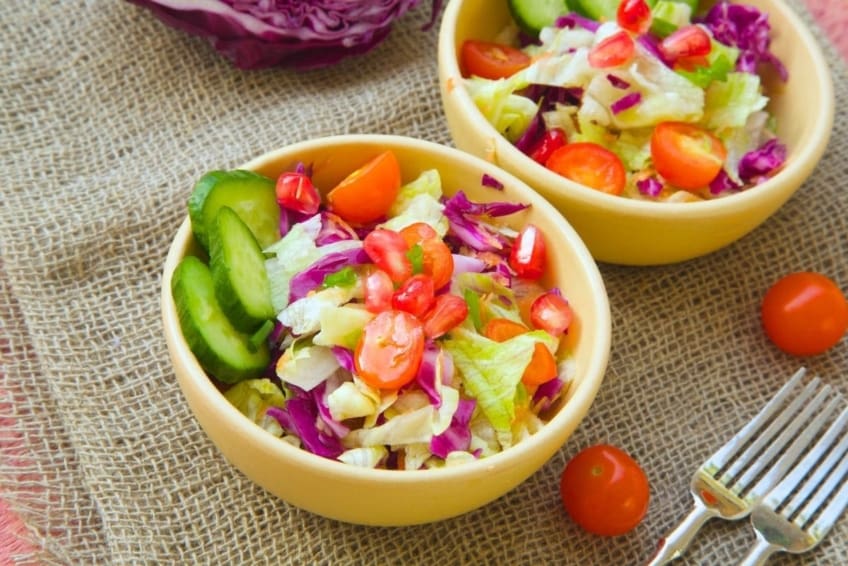
Research has shown that a healthy diet can lower your risk of certain cancers. It also may help prevent other conditions, such as type 2 diabetes, osteoporosis, and heart disease. One benefit of good nutrition is that it helps you maintain a healthy weight. People who are overweight or develop obesity are at risk of more health problems.
Path to improved health
Can certain dietary choices reduce my risk of cancer?
There are ongoing studies regarding diet and health. Researchers continue to explore whether certain foods and nutrients can reduce the risk of cancer. Results are not consistent and vary by person. The following things may help.
- Fruits and vegetables may lower your risk of lung, oral, esophageal, stomach, and colon cancer.
- The Mediterranean diet may protect against cancer. This diet focuses on foods such as fish, fruits and vegetables, beans, and whole grains.
- Calcium and vitamin D may lower your risk of colorectal cancer.
- Folic acid may protect against cancer.
What specific things can I do to improve my diet?
You can reduce your risk of health problems by eating a healthy, balanced diet. This includes a variety of fruits, vegetables, whole grains, legumes (dried beans and peas), nuts, and seeds. For protein, eat moderate amounts of fish, poultry, lean meats, and low-fat and fat-free dairy products.
Certain fats should be part of a healthy diet. They can lower your risk of disease. “Good” fats can help lower your total cholesterol level. “Good” fats include:
- Monounsaturated fats. Found in canola, olive, avocado, peanut, and other nut oils. Also found in legumes, olives, seeds, nuts, nut butters, and avocados.
- Polyunsaturated fats. Found in vegetable oils like corn, sunflower, and safflower. Also found in corn, soybeans, and types of grains, legumes, nuts, and seeds.
- Omega-3 fatty acids. Found in “oily” fish, such as salmon, herring, sardines, and mackerel. Also found in flaxseeds, flaxseed oil, and walnuts. Omega-3 fatty acids from fish are especially good for your health.
You should avoid or limit “bad” fats, which can increase your cholesterol level. These include:
- Saturated fats. Found in milk, butter, cheese, animal fat, pastries, pies, cakes, and chocolate.
- Trans fats. Found in commercially baked products, frozen foods (like pizza), fried foods, microwave popcorn, pancake mix, ice cream, and more.
What are phytochemicals?
Phytochemicals are substances found in plant-based foods. Some experts believe that they can reduce your risk of cancer. They also may support bone, heart, and brain health. Common types of phytochemicals are vitamin C and folic acid. Less common types are isoflavones, flavonoids, phytosterols, and others. Good sources of phytochemicals include:
- Broccoli
- Cauliflower
- Carrots
- Tomatoes
- Grapefruit
- Garlic
- Peas
- Beans
- Whole grains
- Nuts
- Flaxseed
Things to consider
Should I take herbs or dietary supplements?
It’s easy to get excited about claims that the latest dietary supplement will prevent or cure cancer. However, these marketing claims are not likely to have been proven. There is no proof that shows that multivitamins can help reduce your risk of cancer. Talk to your doctor before adding herbs or supplements to your diet. Extreme changes to your diet can actually put you at risk for new health problems.
The U.S. Preventive Services Task Force (USPSTF) and the American Academy of Family Physicians (AAFP) recommend against taking vitamin E or beta-carotene for the prevention of cancer. People who smoke or have a high risk for lung cancer should not take beta-carotene at all. It can increase the risk of lung cancer.
What foods can increase my risk of cancer?
Although there is no clear evidence about whether certain foods prevent cancer, research shows that they can increase your cancer risk. These include the following:
- Heavily processed meats, such as lunch meats, ham, bacon, sausage, salami, and bologna. These can increase your risk of colorectal cancer if you eat them too often.
- Heavily processed foods, including TV dinners, boxed or bagged foods, and fast food meals.
- Foods that are high in saturated fats can contribute to weight gain. Being overweight increases your risk of many types of cancer.
- Alcohol can increase your risk of mouth, throat, esophagus, liver, breast, and colorectal cancer. Men should not have more than 2 drinks per day. Women should not have more than 1 drink per day. One drink is a 12-ounce bottle of beer (4.5% alcohol), a 5-ounce glass of wine (12.9% alcohol), or 1.5 ounces of 80-proof distilled spirits.
When to see a doctor
Talk to your doctor if you think you are at risk for cancer or other health problems. They can make diet recommendations or refer you to a dietician.
Questions to ask your doctor
- What types of food should I eat to reduce my risk of cancer?
- What types of food should I avoid to reduce my risk of cancer?
- Are there any herbs or supplements that I should take?
Resources
American Society of Clinical Oncology, Cancer.net: Food and Cancer Risk
Last Updated:
This article was contributed by familydoctor.org editorial staff.

Copyright © American Academy of Family Physicians
This information provides a general overview and may not apply to everyone. Talk to your family doctor to find out if this information applies to you and to get more information on this subject.