




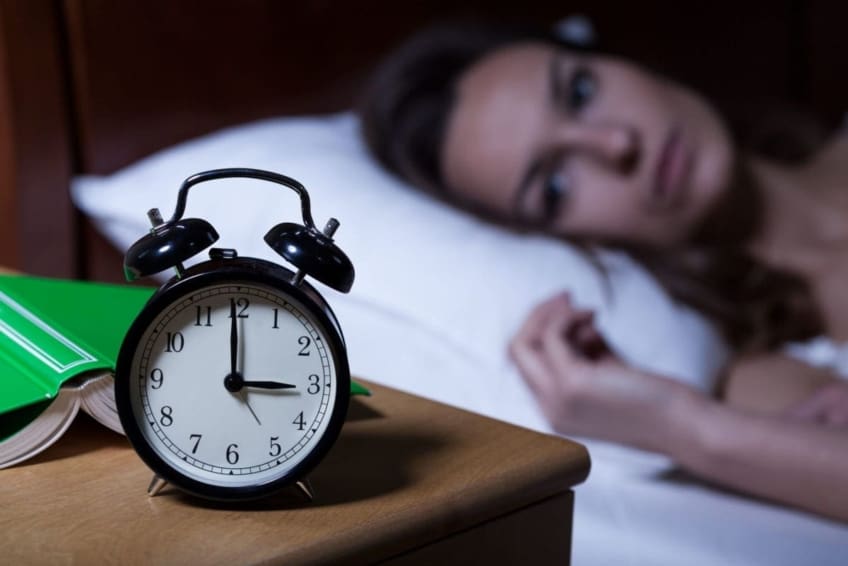
What is insomnia?
Insomnia is a sleep disorder that happens when you have trouble falling asleep, staying asleep, or both. Acute insomnia is short-term trouble sleeping. It may last a few weeks then go away. Chronic insomnia is when your sleeping problem happens several nights a week and lasts for more than a few months. Many people have insomnia. However, it’s more common in older adults, and more women than men have it.
Getting enough sleep is an important part of a healthy lifestyle. Insomnia can affect you mentally and physically. It can make you feel tired, depressed, and irritable. It can also make it hard for you to concentrate or perform tasks during the day. If you have insomnia, you may worry about being able to sleep. Sometimes this can make sleeping harder.
If you don’t get enough sleep on a regular basis, you’re at increased risk of diseases. These include high blood pressure, heart disease, and diabetes.
Most adults need between 7 and 9 hours of sleep each night. You know you’re getting enough sleep if you don’t feel sleepy during the day. The amount of sleep you need stays about the same throughout adulthood. However, sleep patterns may change as you age, and become less deep and restful. That is why older people may sleep less at night and take naps during the day.
Symptoms of insomnia
Symptoms of insomnia include
- Lying awake for a long time before falling asleep on most nights
- Not being able to stay asleep
- Waking up very early
- Feeling like you haven’t slept at all
- Falling asleep during the day, including while driving
What causes insomnia?
Primary insomnia is a distinct disorder. It usually lasts at least a month. It isn’t well understood. Things that can cause this kind of insomnia include:
- Life changes
- Major or long-lasting stress or emotional upset
- Travel or work schedules that disrupt your sleep routine
- Habits that you’ve formed to deal with your lack of sleep (naps, worrying about sleep, going to bed early)
Some cases of insomnia are a symptom or side effect of another problem. This is called secondary insomnia. Many different disorders can cause insomnia. They include:
- Emotional conditions: Depression, anxiety, and posttraumatic stress disorder
- Neurological disorders: Alzheimer’s or Parkinson’s disease
- Pain conditions: Arthritis and headache disorders
- Gastrointestinal disorders: Heartburn, GERD
- Sleep disorders: Restless legs syndrome or sleep apnea
- Breathing disorders: Asthma or heart failure
- Other conditions: Such as overactive thyroid, stroke, or menopause
Secondary insomnia also can be caused by some medicines. These include asthma medicines, allergy or cold medicines, and certain heart and blood pressure medicines. Additionally, the use of some substances can cause insomnia. These include caffeine, tobacco, and alcohol.
Insomnia can sometimes run in families.
How is insomnia diagnosed?
Insomnia is diagnosed primarily based on your medical and sleep history. Your doctor may ask you:
- Questions about your sleep habits, including when you go to bed and when you get up
- What medicines you take
- Your intake of caffeine and alcohol
- If you smoke
- About events or problems in your life that may be upsetting you
- How long you’ve been having insomnia
- If you have any pain, such as from arthriti
If you have a bed partner, your doctor may ask them if you snore while you sleep
If the cause of your insomnia isn’t clear, your doctor may order a blood test. They also may ask you to wear a small monitor while you sleep. The information may help your doctor determine the cause of your insomnia
Your doctor may suggest you keep a sleep diary. For a sleep diary, you record:
- What time you went to bed
- How long you were in bed before falling asleep
- How often you woke up during the night
- What time you got up in the morning
- How well you slept
- The time and length of any naps.
- How you felt during the day (sleepy or alert)
- What you drank (caffeine or alcohol and at what time)
- When you exercise
Take your sleep diary to your next doctor’s appointment. A sleep diary may help you and your doctor identify patterns and conditions that are affecting your sleep. Your doctor may also do a physical exam. This will help them rule out other medical problems that could be causing your insomnia.
If your doctor thinks another sleep disorder is causing your insomnia, they may order a sleep study. This is when you sleep in a lab overnight. Lab technicians monitor your brain activity, eye movements, oxygen levels, heart rate, and blood pressure while you sleep. Or your doctor may order a type of sleep study that is done at home.
Can insomnia be prevented or avoided?
The best way to prevent insomnia is to develop a good sleep routine. In some cases, it can’t be prevented or avoided.
Insomnia treatment
There are several ways to treat insomnia. Treatment usually depends on your health and sleep history. It also may depend on what kind of insomnia you have.
Lifestyle changes
- Avoid substances that make sleeping harder. These include caffeine, some medicines, and alcohol.
- Adopt better sleep habits. Follow a bedtime routine, keep your room dark and cool, and avoid watching TV or using your phone in the bedroom. Go to bed around the same time and wake up around the same time every day.
- Don’t eat, drink, or exercise close to bedtime.
Behavioral therapy
Behavioral therapy for insomnia can teach you about good sleep habits. It usually includes learning ways to relax and not worry as much about sleep. You can also learn muscle relaxation and deep breathing exercises to help you relax. These are often just as effective as prescription sleeping medicines.
Medicines
You don’t need a doctor’s prescription to get an over-the-counter (OTC) sleep aid. But it’s a good idea to check with your doctor before you try one. OTC sleep aids are not meant to be used for a long time. Be sure to follow the directions on the label carefully. Don’t drink alcohol while you are taking an OTC sleep aid.
Certain supplements are advertised as treatments for insomnia. Some examples are melatonin and valerian. There isn’t much evidence about how well these products work. Researchers don’t know what the long-term effects of using them are. Talk to your doctor before you try one of these products.
In some cases, your doctor may prescribe medicine to help you fall asleep and stay asleep. Prescription sleeping pills may help you sleep better. Common ones include eszopiclone (brand name: Lunesta), zolpidem (brand name: Ambien), and zaleplon (brand name: Sonata)
Side effects
These medicines can have side effects. Some may be serious. Side effects of prescription sleeping pills can include:
- Excessive drowsiness
- Trouble thinking clearly
- Problems with balance
Rare but serious side effects include:
- Facial swelling
- Severe allergic reactions
- Unusual behavior while asleep (such as driving or eating food)
Doctors generally don’t recommend using prescription sleep medicines for long periods of time. They’re not a cure for insomnia. Although they can help in some cases, they’re only a temporary form of relief. Regular use may lead to rebound insomnia. This happens when you quit taking sleeping pills and your insomnia comes back even worse than before.
Sleeping pills can be unsafe to use if you have certain health problems. Ask your doctor if sleeping pills are right for you.
Living with insomnia
Keep in mind that you may need less sleep as you age. Some people need only 5 to 6 hours of sleep a night, but most people do better with between 7 and 9 hours. Sleep usually occurs in 3-hour cycles, so it’s important to get at least 3 uninterrupted hours of sleep.
These tips can help you develop better sleep habits:
- Go to sleep only when you feel tired.
- Avoid reading, watching TV, or worrying in bed. These can cause your body and brain to associate your bed with these activities, rather than with sleep.
- Develop a bedtime routine. Do the same thing every night before going to sleep. For example, take a warm bath and then read for 10 minutes every night before bed. Soon you’ll connect these activities with sleeping and doing them will help make you sleepy.
- Use the bedroom only for sleep and sexual activity.
- If you can’t fall asleep after 15 minutes, go to another room. Return to your bed only when you feel tired. You may repeat this as often as needed during the night.
- Go to sleep and wake up at the same times each day, even on weekends. This helps your body develop a sleep schedule.
- Avoid or limit napping. It can disturb your normal sleep rhythm. If you must take a nap, only rest for 30 minutes. Don’t nap after 3:00 p.m.
- Avoid caffeine and tobacco, especially late in the day.
- Avoid eating large meals or drinking a lot of water in the evening.
- Keep your bedroom at a comfortable temperature.
- Make sure your bedroom is quiet and dark. If noise is a problem, use a fan to mask the noise or use earplugs. If you must sleep during the day, hang dark blinds over the windows or wear an eye mask.
- Try eating a light snack before going to bed, but don’t eat too much right before bedtime. A glass of warm milk or some cheese and crackers may be all you need.
- Exercise regularly, but don’t exercise within a few hours before going to bed.
- Set aside some time to relax before going to bed. For example, spend 30 minutes after dinner writing down what’s worrying you and what you can do about it
Another good way to relax is to focus on your breathing by taking slow, deep breaths while counting to 5. Then listen to the sound of your breath as you breathe out. You can also try to tighten and relax the muscle groups in your body. Begin at your feet and work your way up to your face and head. A trained therapist can teach you other ways to relax. Listening to relaxation music may also help.
Questions to ask your doctor
- How can I make myself go back to sleep if I wake up during the night?
- How can exercise help with insomnia?
- Are there herbal supplements that help with insomnia? Are there any side effects to them?
- What types of over-the-counter medicine can help me sleep?
- Are there prescription medicines that treat insomnia?
- What are the side effects of these medicines?
- Does insomnia run in families?

Copyright © American Academy of Family Physicians
This information provides a general overview and may not apply to everyone. Talk to your family doctor to find out if this information applies to you and to get more information on this subject.